
Kennel Cough in Dogs: Signs, How It Spreads and When to See a Vet
November 2026 — Neolokam, Trivandrum
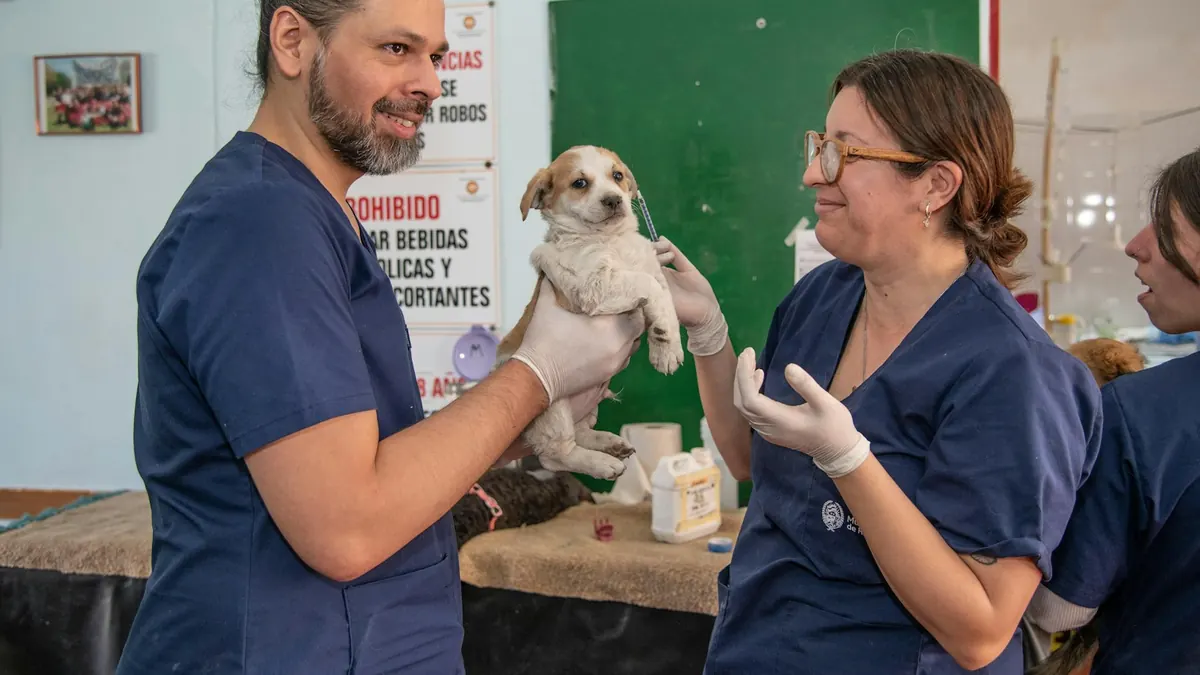
Kennel cough is a contagious infection of a dog's windpipe and airways that causes a harsh, honking cough, often followed by retching. It spreads wherever dogs meet, from parks and vet clinics to groomers and boarding, and while most dogs recover in one to three weeks, puppies and older or unwell dogs can develop pneumonia, so any new cough should be checked by a vet. This guide is for dog owners in Trivandrum (Thiruvananthapuram) and across Kerala. It explains what causes kennel cough, how it spreads, the signs, when to go to a vet, which vaccines to discuss, and why a responsible boarding facility asks about coughs before a stay. It is general education; your own vet should examine a coughing dog and decide on any treatment.
Current package
3-Day Dog Village Vacation
₹5,555 for 3 days + 18% GST. A three-day, all-inclusive holiday for your dog, not just a boarding stay.
What kennel cough is
Kennel cough is the everyday name for canine infectious respiratory disease, also called infectious tracheobronchitis. It is not caused by a single germ. The Merck Veterinary Manual lists several agents that can cause it, and notes that infections with more than one at a time are most common:
- •Bordetella bronchiseptica, a bacterium.
- •Canine parainfluenza virus.
- •Canine adenovirus type 2.
- •Canine influenza virus.
- •Less commonly, canine distemper virus, which is far more serious and is one reason a coughing dog with other signs needs a vet.
Once viruses damage the lining of the airways, other bacteria can move in. Merck also notes that stress and environmental factors such as poor ventilation and extremes of temperature and humidity make dogs more likely to catch it and to be badly affected.
How it spreads: wherever dogs meet
The name suggests kennels, but the infection spreads anywhere dogs are close together. Merck describes rapid spread among dogs in close confinement, naming veterinary hospitals, daycare, boarding facilities and kennels. In everyday life in Trivandrum that also includes:
- •Parks, beaches and walking spots where dogs greet nose to nose.
- •Grooming salons and pet shops.
- •Vet clinic waiting rooms.
- •Training classes, dog shows and adoption camps.
- •Shared water bowls and toys.
- •Hands, leashes and clothing of people who have just handled a coughing dog.
A dog may already be spreading the infection before its cough is obvious, which is part of why it moves through groups of dogs so easily even when everyone is careful. A dog that has never been to a kennel can still catch it on an ordinary walk.
Signs of kennel cough
Merck describes the main sign as spasms of harsh, dry coughing that sounds like a goose honk, sometimes followed by retching or gagging. The cough typically appears 5 to 10 days after contact with an affected dog.
- •A honking, hacking cough, often in bursts.
- •Retching or gagging after coughing, sometimes bringing up a little white froth.
- •Coughing set off by excitement, exercise, drinking or a collar pulling on the throat.
- •Sneezing and a mild, clear nasal discharge in some dogs.
- •Otherwise bright, eating and playing normally, in a typical mild case.
Merck notes that the cough is usually worst in the first 5 days and that the illness typically lasts 10 to 20 days.
Coughing has many causes besides kennel cough, including heart disease, a collapsing windpipe, allergies, parasites and something stuck in the throat. Only a vet can tell them apart, which is why a new cough deserves a call even if your dog seems well.
When to see a vet, and when to go now
Call your vet for any new cough, and tell the clinic before you arrive that your dog is coughing. Many clinics will ask you to wait outside or in the car, so your dog does not infect others in the waiting room.
Merck notes that fever, thick nasal discharge with pus, depression, loss of appetite or a moist, productive cough suggest something more serious, such as bronchopneumonia or distemper. Go to a vet now if your dog has:
- •Fast, laboured or noisy breathing, or breathing with effort from the belly.
- •Blue, grey or very pale gums or tongue.
- •Fever, lethargy or refusal to eat.
- •Thick yellow or green discharge from the nose or eyes.
- •A wet, productive cough.
- •Coughing in a young puppy, an older dog, or a dog with heart or lung disease.
- •Coughing in a flat-faced breed such as a Pug or Shih Tzu, whose airways cope less well.
Merck warns that in puppies the infection can progress to fatal bronchopneumonia, and in weakened or older dogs it can turn into chronic bronchitis.
Caring for a coughing dog at home
For a mild case your vet may recommend rest and monitoring. Whatever your vet advises, these habits help a dog recover and protect other dogs:
- •Keep your dog home and away from other dogs: no parks, daycare, grooming visits or group walks.
- •Use a harness instead of a collar, so nothing presses on the windpipe.
- •Keep exercise gentle and short; excitement sets off coughing fits.
- •Keep the air clean. Avoid cigarette smoke, mosquito coils, incense and agarbathi smoke, cooking smoke and strong sprays near your dog.
- •Keep your dog cool and well rested, and offer fresh water often.
- •Wash bowls, bedding and toys, and wash your hands after handling your dog.
- •Never give human cough syrups or tablets. Some are toxic to dogs.
- •Watch daily for the go-now signs above, and keep any recheck your vet books.
Ask your vet how long your dog should stay away from other dogs. The answer depends on the cause and your dog's recovery, and many vets advise waiting until well after the cough has stopped.
Vaccines to discuss with your vet
The World Small Animal Veterinary Association (WSAVA) 2024 vaccination guidelines say the most widely used non-core vaccines for dogs are those against Bordetella bronchiseptica and canine parainfluenza virus. Key points from the guidelines:
- •Respiratory vaccines are considered non-core for pet dogs living in typical homes, and core for dogs housed in shelters.
- •They cannot prevent infection, but may reduce how severe the illness is.
- •They come as injections, intranasal drops and oral doses, in different combinations, and the routes may not give identical protection.
- •Non-core vaccines generally need to be given yearly to keep protection reliable.
- •Canine adenovirus type 2 and distemper are covered by the core vaccines most dogs already receive.
If your dog boards, attends daycare, goes to training classes or plays in groups, it is a reasonable question for your vet. Ask which type they recommend and how far ahead of a stay it should be given, so protection has time to develop. Remember that because kennel cough has several causes, no vaccine covers them all, so a vaccinated dog can still cough.
Why responsible boarding asks about coughs
Any place where dogs spend time together, from a dog park to a vet clinic, carries some risk of respiratory infection. A responsible boarding facility cannot remove that risk entirely, but it can reduce it, and the most effective step is simple: unwell dogs stay home.
When you book any boarding, daycare or grooming, expect and welcome questions such as:
- •Has your dog coughed, sneezed or had a runny nose in the past two weeks?
- •Has your dog been around a coughing dog recently?
- •Are vaccinations up to date, with the record?
Answer honestly, even if it means rearranging a trip. A dog with a fresh cough is uncomfortable in a new place, and it can pass the infection to dogs who are older, younger or less healthy than yours.
Neolokam, a 1.5-acre cage-free dog farm east of Trivandrum city towards Kattakada, asks for a trial visit and temperament assessment; up-to-date rabies and core vaccinations with the record; current tick and parasite prevention as advised by your vet; and dogs must be comfortable around other dogs. If your dog starts coughing before a planned stay, call the team on +91 77363 90719 and talk to your vet before you travel.
If your dog coughs after a stay
Because the cough usually appears 5 to 10 days after exposure, a dog may start coughing a few days after coming home from boarding, daycare, a grooming visit, a busy park or even a vet visit. The cough alone does not tell you where the infection came from.
- •Call your vet and describe the cough. Mention where your dog has been in the past two weeks.
- •Keep your dog away from other dogs while it is coughing.
- •Let the boarding facility, groomer or daycare know. A good facility will want to hear it so it can watch other dogs closely and tell their owners.
- •Watch for the go-now signs: fast or laboured breathing, fever, lethargy, refusal to eat, thick discharge, or any cough in a young puppy or older dog.
- •Use a harness, keep exercise gentle and keep the air smoke-free while your dog recovers.
Plan ahead for future stays: a trial visit, a vaccination review with your vet and a calm routine reduce stress, and Merck notes stress makes respiratory illness more likely and more severe. Our first boarding stay guide covers that preparation.
Kennel cough checklist
Screenshot this for the next time you hear a honk.
- •New cough: call your vet, and tell the clinic before you arrive.
- •Keep your dog home and away from other dogs until your vet says otherwise.
- •Harness, not collar. Gentle exercise only.
- •No smoke: cigarettes, mosquito coils, incense, cooking smoke.
- •No human cough medicines.
- •Wash bowls, bedding, toys and your hands.
- •Go to a vet now for: laboured breathing, blue or pale gums, fever, lethargy, not eating, thick discharge, wet cough, or any cough in a puppy, senior or flat-faced dog.
- •Before boarding or daycare: ask your vet about respiratory vaccines and timing, and tell the facility about any recent cough.
- •After a stay: watch for a cough for 10 days, and tell your vet and the facility if one starts.
Common questions
What is kennel cough in dogs?
Kennel cough is a contagious infection of a dog's windpipe and airways, also called canine infectious respiratory disease or infectious tracheobronchitis. Several viruses and bacteria cause it, often together, including Bordetella bronchiseptica, canine parainfluenza virus and canine adenovirus type 2. It spreads wherever dogs are close together, not only in kennels. Most cases are mild, but puppies and older or unwell dogs can develop pneumonia.
What does kennel cough sound like?
The classic sign is a harsh, dry cough that sounds like a goose honk, often followed by retching or gagging, as if the dog is trying to bring something up. It can be triggered by excitement, exercise or pressure from a collar. Many owners think their dog has something stuck in its throat. Other conditions can cause coughing too, so any new cough is worth a call to your vet.
How long does kennel cough last?
According to the Merck Veterinary Manual, the cough is usually worst in the first 5 days, and the illness typically lasts 10 to 20 days. Stress during recovery can cause a relapse. A cough that lasts longer than that, gets worse instead of better, or comes with fever, lethargy or loss of appetite needs a vet check, because it may have turned into pneumonia or have another cause.
Is kennel cough contagious to other dogs and to people?
It is highly contagious between dogs and spreads quickly where dogs share air, bowls and toys. Keep a coughing dog away from other dogs and ask your vet how long to wait before it mixes again. Kennel cough is generally not considered a risk to healthy people, but anyone with a weakened immune system should ask their own doctor, and everyone should wash hands after handling a sick dog.
Does the kennel cough vaccine stop my dog getting it?
Not completely. The 2024 WSAVA guidelines say respiratory vaccines cannot prevent infection but may reduce how severe the illness is. They are non-core for pet dogs in typical homes, and they target only some of the causes. They come as injections, nose drops or oral doses and usually need repeating yearly. Ask your vet whether one makes sense if your dog boards, attends daycare or plays in groups.
Bottom Line
Kennel cough is common, it is usually mild, and it spreads wherever dogs meet, not only in kennels. The practical steps are clear: call your vet for any new cough, keep a coughing dog away from others, use a harness and clean air while it recovers, and go to a vet now if breathing, appetite or energy change. Ask your vet whether a respiratory vaccine suits your dog's lifestyle, and keep unwell dogs home from boarding, daycare and grooming. If you are planning a stay and want to talk through the requirements, call or WhatsApp Neolokam on +91 77363 90719.
Related
Ready to Book?
Call or WhatsApp Neolokam Trivandrum. No automated replies — you speak to a real person.