
Dog First Aid for Kerala Owners: Snake Bites, Heatstroke, Bleeding and a Kit Checklist
November 2026 — Neolokam, Trivandrum
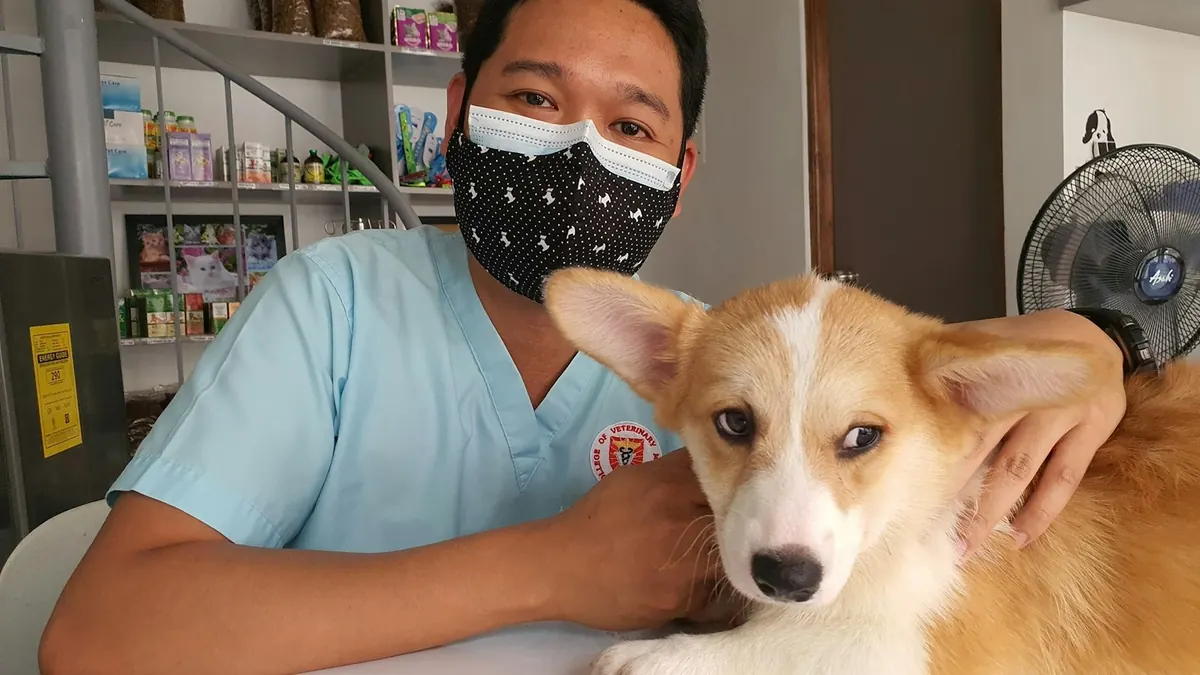
Dog first aid is what you do in the minutes before you reach a vet: keep yourself safe, keep your dog calm, control what you can, such as bleeding or overheating, and get to a clinic fast. For Kerala dogs, the emergencies that matter most are snake bites, heatstroke, cuts and bleeding, toad and poison exposure, choking and road accidents, and in every one of them, first aid buys time; it does not replace a vet. This guide is written for dog owners in Trivandrum (Thiruvananthapuram) and across Kerala, using advice from the RSPCA, PDSA, the Merck Veterinary Manual and Indian veterinary research. It is general education. Save your vet's number and an emergency clinic's number in your phone today, and call them whenever you are unsure.
Neolokam packages & prices
Advertised rate + 18% GST. Your final rate is confirmed on WhatsApp before you book.
The first rule: stay safe, call ahead, go
The RSPCA's first principles are simple: stay calm, never put yourself in danger, and contact a vet as quickly as possible. The PDSA uses the reminder DR ABC:
- •Danger: make sure you, other people and the dog are safe from traffic, snakes, water or electricity before you act.
- •Response: does your dog respond to its name or your touch?
- •Airway: is anything blocking the mouth or throat?
- •Breathing: is the chest rising and falling?
- •Circulation: can you feel a heartbeat or pulse?
- •Send: get someone to call the vet while you help.
A dog in pain may bite, even its own family. The RSPCA suggests using a towel, blanket or muzzle to reduce the risk, but never muzzle a dog that is vomiting, struggling to breathe or overheating. The PDSA advises taking your pet for a vet check after any first aid, even when the problem seems minor.
Snake bites: what to do, and what never to do
Venomous snakes are part of life in Kerala's gardens, plantations and paddy edges, and the Merck Veterinary Manual notes that deadly snakebites are more common in dogs than in any other domestic animal. A 2026 study of veterinarians in Goa found that dogs were most often treated for bites from Russell's vipers and spectacled cobras, usually on the face and neck while guarding or defending their owners. Cobra bites were often rapidly fatal, and Russell's viper bites caused swelling and organ damage that could appear days later.
Signs include sudden yelping, swelling, bleeding from the bite, nose or mouth, trembling, drooling, dilated pupils, hind-leg weakness, vomiting, pale gums, breathing difficulty and collapse. Fur often hides fang marks.
What to do:
- •Keep your dog calm and still. Carry it if you can.
- •Go to a vet now, and phone on the way. Ask whether they can treat a snake bite at that hour, so you do not lose time driving between clinics.
- •Remove the collar if the bite is on the head or neck, as swelling can tighten it.
- •If it is safe, take a photo of the snake from a distance. Never try to catch or kill it.
What never to do, per the Merck Veterinary Manual and the Goa study:
- •No tourniquet or tight bandage; in the Goa study one cost a dog its leg.
- •No cutting or sucking the wound.
- •No ice, cold packs, hot packs or electric shock.
- •No turmeric, herbal pastes or healer's pills instead of a vet.
- •No waiting until morning or until symptoms appear. The Goa vets described dogs dying overnight while owners waited.
Heatstroke: cool first, transport second
Kerala's hot, humid months from March to May are the main heatstroke season, but humid days between monsoon showers are risky too, especially for flat-faced, thick-coated, overweight, very young and old dogs. The RSPCA lists the signs: heavy panting, noisy breathing, drooling, red gums and tongue, a fast heart rate, vomiting and diarrhoea, weakness, confusion, muscle spasms, seizures and collapse.
The RSPCA's steps:
- •Stop further heating: move your dog into shade or a cool room immediately.
- •Cool: pour water that is cooler than the dog's body temperature over its body, but not its head. Submerge only a dog that is healthy, conscious and not elderly.
- •Fan your dog or put it in front of a fan to create a breeze while you keep wetting it.
- •Call your vet to say you are coming and describe the signs.
- •Transport in a cool, well-ventilated vehicle with the windows open or the air conditioning on.
The RSPCA's phrase to remember is cool first, transport second. Even if your dog seems to recover, heatstroke can damage organs, so go to the vet.
Cuts and bleeding
For cuts from glass, laterite, coconut shells or barbed wire, the RSPCA advises:
- •Press a clean tea towel, cloth or dressing firmly over the wound.
- •Hold the pressure for at least three minutes before checking.
- •Apply a bandage and keep pressure on it, loosening it for 20 seconds every 15 to 20 minutes.
- •Keep your dog calm and get to a vet as soon as possible.
Go to a vet now for spurting or pooling blood, bleeding that does not slow with pressure, deep wounds, wounds on the chest or belly, bite wounds from another dog, or anything stuck in the wound. Do not pull out an embedded object; pad around it and let the vet remove it.
The RSPCA warns that internal bleeding is hard to spot and very serious. Bleeding from the nose, mouth or rectum, pale gums, weakness or a swollen belly after a fall, a road accident or a kick from livestock means go to the nearest emergency vet immediately, keeping your dog warm and quiet.
Toads, rat poison and other poisons
Toads come out in numbers during Kerala's monsoon evenings, and dogs that mouth or bite them can be poisoned. The Merck Veterinary Manual describes frothy drooling, vigorous head shaking, pawing at the mouth and retching, with severe cases showing abnormal heart rhythms, breathing difficulty, bluish gums and seizures.
- •Flush the mouth immediately and thoroughly with large amounts of water, as Merck advises.
- •Keep the head pointing down and run water across the gums and out of the mouth, not down the throat.
- •Call your vet. Go now if your dog collapses, has a seizure, breathes with difficulty or its gums turn blue or grey.
For anything else your dog may have eaten, the RSPCA advises contacting your vet as soon as possible and taking the packet or label with you, along with what and how much was eaten and when. Common Kerala household dangers include:
- •Rat poison, insecticides, mosquito repellents and garden chemicals.
- •Human medicines dropped on the floor.
- •Kitchen foods such as onion, garlic, grapes, raisins, chocolate and xylitol, covered in our home-cooked food guide.
Do not make your dog vomit, give milk, oil, salt water or home remedies unless your vet tells you to.
Choking
Dogs choke on small balls, bones, jackfruit seeds, mango stones and chew toys. A choking dog paws at its mouth, gags, struggles to breathe and may collapse.
The RSPCA advises:
- •Look in the mouth. If you can see the object, gently try to remove it, taking care not to push it further down or get bitten.
- •If you cannot remove it, or your dog collapses, apply firm, quick pressure to the sides of the rib cage, or lay your dog on its side and strike the rib cage firmly three or four times with the palm of your hand.
- •Repeat until the object dislodges or you reach the vet.
Go to a vet even if the object comes out, because the throat can be injured. Choose balls and toys larger than your dog's mouth, and never give cooked bones.
Road accidents and moving an injured dog
- •Danger first: switch on hazard lights and keep yourself out of traffic.
- •Approach slowly and speak quietly. Use a towel or a loose loop of leash to protect yourself from a frightened bite.
- •Move the dog as little as possible. The PDSA notes that moving an injured pet needs great care, and suggests a blanket as a stretcher. The RSPCA suggests sliding a dog that cannot walk onto a flat board.
- •Support the head, neck and back together, and keep a suspected broken leg still.
- •For shock, the RSPCA advises keeping the head level with the body and getting to a vet immediately. Keep your dog warm with a blanket or foil blanket.
- •Do not give food or water.
Go to a vet now even if your dog gets up and walks away. Internal bleeding and chest injuries may not show for some hours.
Your dog first aid kit checklist
Build this once, keep it in a box at home, and keep a smaller version in the car. The first twelve items are the PDSA's list; the rest are additions for Kerala homes.
- •Bandages.
- •Blunt-ended scissors.
- •Wound wash (sterile saline).
- •Cotton wool.
- •Tweezers.
- •Tick removal tool.
- •Wound dressings.
- •Self-adhesive tape.
- •Vinyl gloves.
- •Foil blanket.
- •Antiseptic wipes.
- •A blanket that can be used as a stretcher.
- •A thick towel, for handling and for cooling.
- •A soft muzzle that fits your dog.
- •A cone collar, to stop licking of a dressed wound.
- •A torch with spare batteries, for power cuts and night emergencies.
- •A bottle of drinking water and a folding bowl.
- •A copy or photo of your dog's vaccination record and any health conditions.
- •A card with your vet's number, an emergency vet's number and your own.
Do not keep human painkillers or leftover pet medicines in the kit. Many human medicines are dangerous for dogs. Check it every few months.
Save two numbers today
Do this today, not at 11 at night with a dog in the back seat:
- •Save your regular vet's number and opening hours in your phone.
- •Find out which clinic or hospital near you takes night and weekend emergencies, and save that number too.
- •Ask your vet which clinic they recommend for snake bites, and confirm that clinic can treat them out of hours.
- •Share the numbers with everyone who walks or looks after your dog.
When your dog stays with a sitter, a relative or a boarding facility, leave your vet's details and ask how they handle a night emergency. Our new puppy checklist for Trivandrum covers other things to set up early.
Go to a vet now: the emergency list
Do not wait or watch at home if your dog has any of these:
- •A known or suspected snake bite.
- •Signs of heatstroke, even if your dog seems to recover after cooling.
- •Difficulty breathing, choking, or blue, grey or very pale gums.
- •Collapse, fainting or inability to stand.
- •A seizure lasting more than five minutes, or repeated seizures.
- •Bleeding that does not slow with firm pressure, or blood from the nose, mouth or rectum.
- •Any road accident or fall from a height.
- •Swallowing a poison, rat bait, medicine or a toad, or a known toxic food.
- •A swollen, tight belly with retching that brings nothing up.
- •Severe pain, or a dog that cries when touched.
Common questions
What should I do if a snake bites my dog?
Keep your dog calm and still, carry it if you can, and go to a vet now, calling ahead so the clinic can prepare. The Merck Veterinary Manual says owners should not spend time on first aid beyond keeping the dog quiet. Do not use a tourniquet, cut or suck the wound, apply ice, heat or herbal pastes, or wait for symptoms. A photo of the snake from a safe distance helps the vet.
How do I cool down a dog with heatstroke?
Follow the RSPCA's rule: stop further heating, cool, then transport. Move your dog into shade, pour water that is cooler than the dog's body over its body but not its head, and fan it to create a breeze. Submerge only a healthy, conscious, non-elderly dog. Call your vet, then drive in a cool, well-ventilated vehicle. Cool first, transport second, but do go to the vet.
What do I do if my dog bites a toad?
The Merck Veterinary Manual advises flushing the mouth immediately and thoroughly with large amounts of water. Point your dog's head downwards and run water across the gums and out of the mouth, not down the throat, so the dog does not swallow or inhale it. Then call your vet. Frothy drooling, head shaking and pawing at the mouth are common; seizures, collapse or breathing trouble mean go to a vet now.
What should be in a dog first aid kit?
The PDSA recommends bandages, blunt-ended scissors, wound wash, cotton wool, tweezers, a tick tool, wound dressings, self-adhesive tape, vinyl gloves, a foil blanket, antiseptic wipes and a blanket to use as a stretcher. For Kerala, add a thick towel, a soft muzzle, a torch, drinking water and a bowl, a copy of the vaccination record and your vet's and emergency vet's numbers. Do not keep human medicines for your dog.
Should I make my dog vomit if it has eaten poison?
No, not unless a vet tells you to. Some poisons do more damage coming back up, some dogs inhale vomit, and some toxins act so quickly that inducing vomiting is unsafe. Call your vet immediately, tell them what was eaten, roughly how much and when, and take the packet or label with you. Rat poison, insecticides, human medicines and some kitchen foods are common causes in Kerala homes.
Bottom Line
First aid will not cure a snake bite or heatstroke, but the right minutes at home can be the difference between a dog that reaches the vet in time and one that does not. Learn the few steps that work, such as calm and fast transport for snake bites, cooling for heatstroke, firm pressure for bleeding and flushing for toads, and the things that make matters worse, such as tourniquets, home remedies, forced vomiting and waiting until morning. Put a kit together, save your vet's and an emergency vet's numbers today, and go to a vet now whenever you are in doubt.
Related
Sources
- RSPCA: First aid for your dog
- PDSA: First aid for pets
- RSPCA Victoria: First aid for pets
- Merck Veterinary Manual: Snakebite (pet owners)
- Merck Veterinary Manual: Toad poisoning (pet owners)
- Attre S et al. (2026), Snakebite envenomation and predation of domestic animals in Goa, India, Frontiers in Amphibian and Reptile Science
Ready to Book?
Call or WhatsApp Neolokam Trivandrum. No automated replies — you speak to a real person.