
How Dog Socialisation Works at Cage-Free Boarding: Temperament Matching, Rest, Play and Signs Your Dog Is Coping
November 2026 — Neolokam, Trivandrum
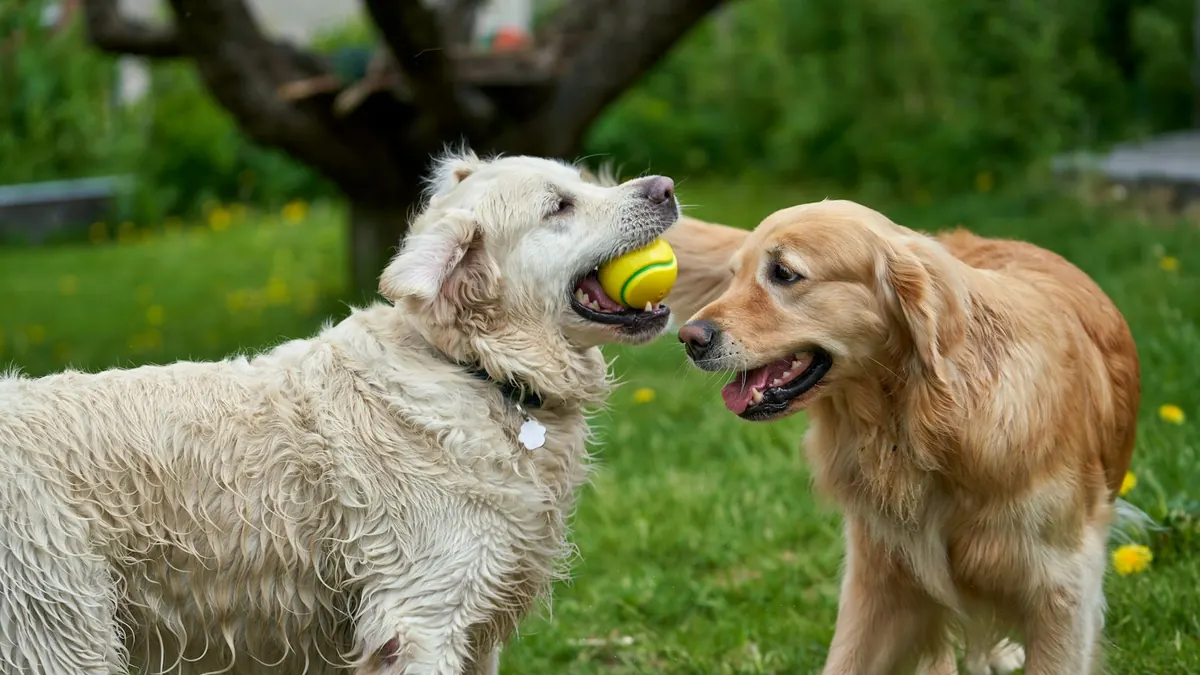
Socialisation at a cage-free boarding place works when dogs are assessed before their first stay, grouped with compatible dogs by temperament, supervised by people who read dog body language, and given as much rest, shade and quiet as play. It is not a free-for-all, and it is not right for every dog: social, friendly dogs usually enjoy it, while very fearful or reactive dogs may need a different kind of care. This guide is for dog owners in Trivandrum (Thiruvananthapuram) choosing between boarding options. It explains what good group care looks like, how temperament matching works, the signs a dog is coping or struggling, and the questions to ask any boarding place, followed by how Neolokam approaches it. It draws on published guidance for supervised dog playgroups and on research about dogs staying away from home.
Current package
3-Day Dog Village Vacation
₹5,555 for 3 days + 18% GST. A three-day, all-inclusive holiday for your dog, not just a boarding stay.
What socialisation at boarding really means
At home, socialisation usually means teaching a puppy that the world is safe. At boarding, it mostly means something narrower: giving dogs who already enjoy other dogs the chance to spend time together safely, and keeping the others comfortable.
The ASPCA's 2025 best-practice guide for canine playgroups describes off-leash playgroups as a way to meet dogs' physical and psychological needs, with dogs exercising, exploring and socialising together. The same guide is clear that dogs are individuals. Some thrive in large, active groups. Others are happier in small, calm groups or with particular play partners. Some are not suited to groups at all because of aggressive behaviour or constant over-arousal, and some are too frightened to benefit.
So good group care is not about putting as many dogs as possible together. It is about the right dogs, in the right mix, for the right amount of time, with someone watching.
Temperament matching: how dogs are grouped
Matching starts before the first stay. A careful boarding place wants to know how your dog behaves with people, with other dogs, with food and toys, and in a new place. That usually means a visit, a conversation and a supervised meeting with one or two calm, social dogs.
Things that typically shape a grouping:
- •Temperament: confident, shy, bossy, easy-going.
- •Energy and play style: chase, wrestle, tug, or sniff and wander.
- •Size and strength, so a big, bouncy dog is not paired with a small, fragile one.
- •Age: puppies, adults and seniors have different needs and tolerance.
- •Health: dogs recovering from illness or surgery may need quieter time.
- •History: past fights, resource guarding or fear of particular kinds of dogs.
The ASPCA guide describes letting a new dog into a group only when the other dogs are not crowding the entrance, so it is not mobbed on arrival, and watching how it responds before letting it in. Matching also continues after day one. Dogs change with tiredness, heat and new arrivals, so staff should be ready to move a dog to a quieter group or give it time on its own.
Rest is part of socialisation
A well-run group day has a rhythm: some play, a lot of sniffing and wandering, meals, and plenty of rest. Dogs that play without pausing become over-excited, and over-excitement is where most scuffles start.
The ASPCA guide lists escalating arousal, including the inability to take self-directed play breaks, among the behaviours that need managing. It also recommends large obstacles that slow the pace of play and give dogs a refuge when they need a break, surfaces that do not get too hot, secure shade, and water in several bowls or pools so dogs do not guard a single bowl. It keeps treats and toys out of most group play areas for the same reason.
In Kerala's heat, rest matters even more. Midday is for shade, water and lying down, not hard running. When you visit any boarding place, look at where dogs rest, not only where they play.
Signs a dog is coping
Most dogs show you clearly when they are comfortable. Look for these in person on a visit, or in the photos and videos you receive during a stay.
- •A loose, wiggly body and a relaxed, open mouth.
- •Play that pauses and swaps roles: the chaser becomes the chased.
- •Sniffing, exploring and wandering between interactions.
- •Choosing to rest near other dogs or people.
- •Eating meals normally after the first day or two.
- •Coming home tired but calm, and back to normal within a day or two.
A short burst of excitement is not a bad sign either. A 2014 study of 29 privately owned dogs in Northern Ireland, published in Physiology and Behavior, found higher arousal and stress-hormone measures in boarding kennels than at home, but the researchers found no clear evidence that the dogs were negatively stressed and suggested the stay may have been exciting, at least in the short term. They also cautioned that these measures are easy to misread.
Signs a dog is not coping
These signs mean a dog needs a change: a quieter group, time alone, a call to the owner, or a vet check.
- •Hiding, or trying to stay behind people or furniture most of the day.
- •Tail tucked, ears pinned back, trembling.
- •Being chased repeatedly without the roles ever switching.
- •Snapping, guarding a spot or a person, or repeated scuffles.
- •Pacing, panting or barking constantly, unable to settle.
- •Refusing food for more than a day.
- •New limping, cuts or bite marks.
After a stay, watch for a dog that is unusually withdrawn, clingy or jumpy for more than a few days, has diarrhoea or a cough, or seems unwell. If you notice any signs of illness, go to your vet and tell the boarding place.
Puppies, seniors and shy dogs
Some dogs need extra care in a group setting.
- •Puppies: the American Veterinary Society of Animal Behavior describes the first three months of life as the primary socialisation window, and recommends puppy classes from 7 to 8 weeks, with at least one set of vaccines given at least 7 days before the first class and a first deworming. A supervised class with other young puppies is not the same as a boarding group, so ask your vet about timing and ask any boarding place about its puppy policy.
- •Seniors: older dogs often want quiet company, soft resting places and freedom from bouncy youngsters. Mention arthritis, hearing or sight loss, and medication when you book.
- •Shy and fearful dogs: some do well alongside one or two calm, social dogs. The ASPCA guide describes using steady, tolerant helper dogs for fearful dogs and keeping such sessions short. Others are happier with home-based care. Our post on building confidence in a shy dog has more on this.
- •Reactive dogs: a cage-free group setting may not be the right place. Ask for honest advice and look at training and behaviour support first.
12 questions to ask any boarding place
Screenshot this list and use it on the phone or during your visit.
- •How do you assess a new dog before its first stay?
- •How do you decide which dogs spend time together?
- •Who supervises group time, and are they there all the time dogs are together?
- •What happens if a dog is not enjoying the group?
- •Where do dogs rest, and is there shade and water everywhere they spend time?
- •How do you handle meals, so dogs do not guard food?
- •What do you do if two dogs squabble?
- •How do you handle a dog that is fearful, elderly or very young?
- •Which vaccinations and parasite prevention do you require, and do you check records?
- •What happens at night, and who is on site?
- •How will you update me during the stay?
- •If my dog is unwell or injured, what do you do and how quickly will you call me?
Clear, specific answers are a good sign. Vague answers, or a refusal to let you see where dogs spend their day, are worth thinking about.
How Neolokam approaches socialisation
Neolokam is a 1.5-acre cage-free dog farm east of Trivandrum city towards Kattakada, for dogs only. The farm has trees, shade, open ground, a stream for play and a splash and swimming area.
- •Every new dog has a prior visit, orientation and temperament assessment before a stay is confirmed.
- •Boarding requires a trial visit and temperament assessment; up-to-date rabies and core vaccinations with the record; current tick and parasite prevention as advised by your vet; and dogs must be comfortable around other dogs.
- •Dogs are grouped by temperament, with supervised socialisation time alongside compatible dogs.
- •Three dedicated Malayali staff are on site, with 24/7 human care.
- •Meals are home-cooked, and owners may also leave their dog's own dry food.
- •Owners receive daily photo and video updates.
Because Neolokam is a cage-free group environment, it suits social, friendly dogs that are comfortable around other dogs. Reactive dogs may not be accepted during busy periods, so mention any reactivity when you enquire. Each dog is assessed and the team decides. For dogs that need help with other dogs first, Neolokam's training and behaviour pages explain the options.
Common questions
Is cage-free group boarding good for every dog?
No. Cage-free group boarding suits social, friendly dogs that enjoy or tolerate other dogs. Animal welfare guidance on dog playgroups notes that dogs are individuals: some thrive in active groups, others prefer small calm groups or one or two partners, and some are too frightened or reactive to benefit. A good boarding place assesses each dog first and tells you honestly if its setting is not the right fit.
How do boarding places decide which dogs play together?
Careful places meet every new dog before the first stay, watch how it behaves with people and other dogs, and match it with dogs of compatible temperament, energy, play style and size. They also keep watching during the stay and change groupings when needed. At Neolokam, every new dog has a prior visit, orientation and temperament assessment, and dogs are grouped by temperament with supervised time alongside compatible dogs.
How can I tell if my dog enjoyed group boarding?
Good signs include a dog that eats normally during the stay, looks loose and relaxed in photos and videos, plays and then rests, and comes home tired but calm, settling back into its routine within a day or two. Worrying signs are refusing food for more than a day, constant hiding, persistent trembling, new injuries, or a dog that is unusually clingy or withdrawn for several days after coming home.
Do dogs need rest breaks during boarding play?
Yes. Dogs that play nonstop can become over-aroused, and that is when squabbles start. Shelter playgroup guidance lists escalating arousal and an inability to take self-directed breaks as behaviours that need managing, and recommends features such as large obstacles that give dogs a place to retreat. Good boarding builds quiet time, shade and water into the day, not just play.
Can a puppy be socialised at a boarding facility?
Puppies need careful, positive socialisation, ideally starting in the first three months, but their vaccinations must be on track. The American Veterinary Society of Animal Behavior recommends puppy classes from 7 to 8 weeks with at least one set of vaccines given 7 days before the first class. Boarding is not the same as a supervised puppy class, so ask your vet about timing and ask any boarding place about its puppy policy.
Bottom Line
Good socialisation at boarding is quiet, careful work: assess each dog, match it with compatible dogs, supervise, build in rest, shade and water, and change the plan when a dog is not coping. Use the 12 questions above with any boarding place you consider, and trust what you see on a visit. To arrange a visit and temperament assessment at Neolokam, call or WhatsApp +91 77363 90719 between 6:00 AM and 5:00 PM; visits are by appointment.
Related
Ready to Book?
Call or WhatsApp Neolokam Trivandrum. No automated replies — you speak to a real person.
More guides for dog owners
- Best Dog Boarding Centers in Trivandrum — 2026 Honest ReviewAn honest look at what to look for in a dog boarding center in Trivandrum — and why the best facilities are not the most visible ones on Google Maps.
- Cage-Free Dog Boarding in Kerala 2026: The Complete GuideEverything you need to know about cage-free dog boarding in Kerala — what it really means, what to look for, and why the standard kennel model is broken.
- Cage-Free vs Kennel Boarding in Kerala — An Honest Comparison (2026)An honest comparison of cage-free and kennel boarding in Kerala — the real differences in dog welfare, cost, and what you actually get for your money.
- City or Farm Dog Boarding in Trivandrum? Space, Noise, Heat, Travel Time, Visiting and Cost ComparedAn honest comparison of boarding inside Trivandrum city and on a farm at the edge of the city: space, noise, heat and shade, travel time and pickup, visiting and cost, with the pros and cons of each and a checklist.
- Dog Boarding vs Pet Sitter vs Daycare in Trivandrum: Costs, Supervision and Which Suits Your DogA practical comparison for Trivandrum dog owners: what boarding, pet sitting and daycare each involve, published cost bands, supervision and socialisation, which suits senior, anxious, reactive and puppy dogs, and a decision checklist.
- Flying Home From the Gulf for Summer or Onam? How to Plan Your Dog's Boarding in Kerala (2027)UAE school summer holidays and Onam bring many NRI families home at the same time. Here are the 2027 dates, a week-by-week booking plan, the records to have ready and which Neolokam package fits your trip.