
How to Introduce Two Dogs: Neutral Ground, Parallel Walks and the First Two Weeks at Home
November 2026 — Neolokam, Trivandrum
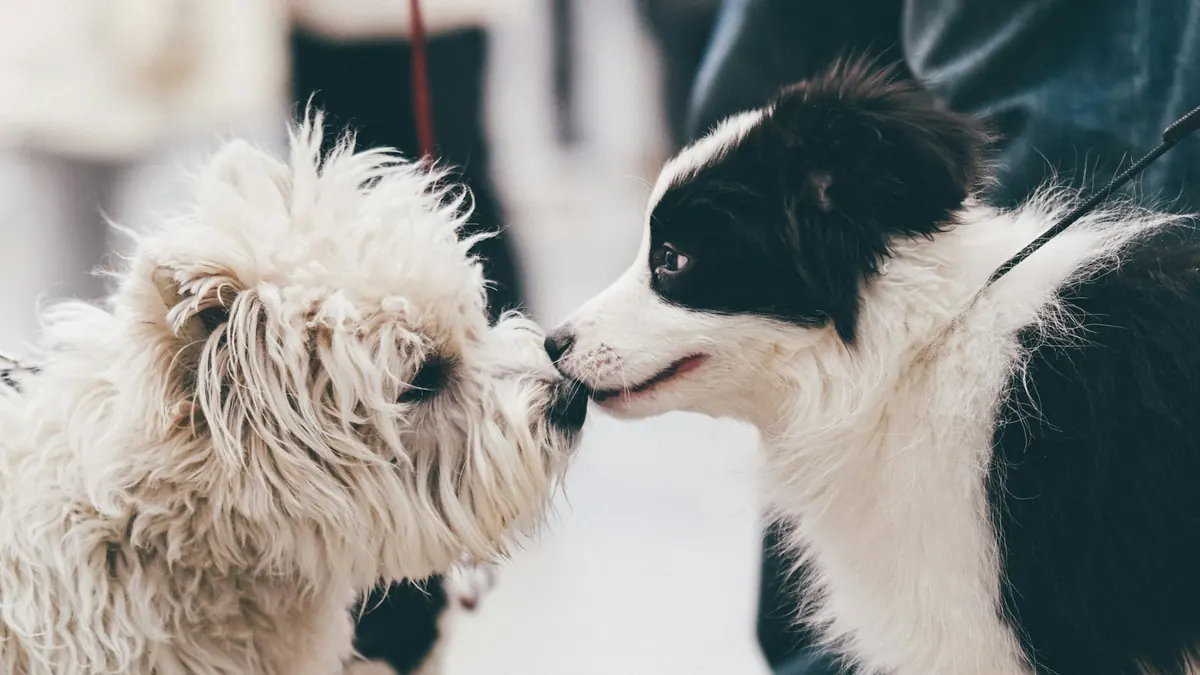
To introduce two dogs, let them meet first on neutral ground on loose leads, walk them side by side at a distance where both stay relaxed, and close the gap only while their body language stays soft. Then bring them home in a planned order, with food, chews and toys put away, and supervise every interaction for the first couple of weeks. This guide is for families in Trivandrum (Thiruvananthapuram) adding a second dog, whether that is a puppy from a breeder, an adult indie from a rescue or a relative's dog moving in. It covers the first meeting, the body language to watch, the home set-up and the first weeks, and it explains how dogs are introduced to a group at a boarding farm. If either dog has a history of fighting or biting, speak to your vet and a qualified behaviour professional before you try any introduction.
Current package
Multi-Dog Family Boarding
From ₹7,777 per dog / month + 18% GST. Lower monthly rates when two or three dogs from one family stay together.
Before the first meeting
A good introduction is mostly preparation.
- •Choose neutral ground. Pick somewhere neither dog sees as its own: a quiet lane, an empty open ground or a friend's compound. Avoid your own gate, veranda and the route your dog walks and marks every day. A busy park full of other dogs is not neutral either; it is just distracting.
- •Bring two handlers. Each dog needs its own person holding its lead.
- •Use ordinary leads and a well-fitted collar or harness. Retractable leads make it hard to control distance quickly.
- •Pick a cool time. In Trivandrum that usually means early morning or after sunset. Hot, panting dogs are more irritable and tire faster.
- •Pack small, soft treats for each handler, and water.
- •Check health first. The new dog should have had a vet check, with vaccinations and tick prevention as your vet advises, before it shares space with your dog.
- •Know the history. Ask the rescue, breeder or previous owner how the new dog behaves with other dogs, with food and with toys.
Step by step: the first meeting
Seattle Humane and the American Kennel Club both recommend starting with a walk rather than a face-to-face greeting. Walking side by side lets dogs take in each other's scent and movement without the pressure of a head-on meeting.
- •Step 1: Start about 10 feet (roughly 3 metres) apart and walk in the same direction, parallel to each other. If either dog stares, pulls or barks, add more distance until both can walk normally.
- •Step 2: As both dogs relax, close the gap gradually. Keep walking; movement helps.
- •Step 3: Let them greet for a few seconds at a time, with loose leads and a happy voice, then call them on and keep walking. Short greetings are easier than long ones.
- •Step 4: Watch for stress. If either dog yawns, turns its head away, goes stiff or raises its hackles, the AKC advises separating them and carrying on with the walk before things escalate.
- •Step 5: Keep walking until both dogs are calmer than when you started.
- •Step 6: If you have access to a safely fenced compound, Seattle Humane suggests letting them greet there next, dropping the leads so they can move more freely while you watch.
If the first walk is tense, end on a calm moment and try again another day at a greater distance.
Body language: what good and worrying look like
Dogs tell you how an introduction is going long before a fight happens. These signs draw on the AKC's lists of positive and stress signals.
Good signs:
- •Loose, wiggly bodies and soft eyes.
- •Curved approaches rather than straight lines.
- •Brief sniffing, then moving away to sniff the ground.
- •Play bows, and play that pauses and swaps roles, with the chaser becoming the chased.
Slow down signs:
- •Yawning, lip licking, turning the head or body away.
- •Tail held low or tucked; ears pinned back.
- •One dog trying to hide behind its handler.
Stop now signs:
- •Freezing, a hard stare, a closed and tense mouth.
- •Hackles up along the back, standing tall over the other dog.
- •A curled lip, a snap or a growl that does not stop.
A growl is information, not bad manners. Punishing a growl can remove the warning without changing the feeling behind it, which makes a bite more likely later.
Bringing them home
Coming home is the next pressure point, because the house is full of things a dog may want to keep: food bowls, beds, chews and favourite people.
- •Before you go in, pick up all food bowls, high-value treats, chews and toys, as Seattle Humane advises.
- •Bring the new dog in first, on lead, and let it sniff and explore while the resident dog waits outside with the other handler.
- •Then bring the resident dog in and reward both dogs for calm behaviour.
- •If one dog is much more excitable, leave a light lead attached so you can hold it or let it trail. Only do this while you are watching, never when the dogs are alone.
- •Set up separate feeding spots, ideally in different rooms or with a door between them.
- •Give each dog its own bed and a place to retreat. A spare room, a baby gate across a doorway or an exercise pen works well in most Kerala homes.
- •Put water bowls in more than one place, so one dog cannot block the only bowl.
The AKC suggests having a crate, an exercise pen and dog gates ready before a new puppy arrives, so you can separate the dogs quickly whenever you need to.
The first two weeks
Most problems between dogs living together start with tiredness, crowding or something valuable on the floor. The first weeks are about preventing those moments.
- •Supervise every interaction. When you cannot watch, keep the dogs apart with a gate, a door or a crate.
- •Keep up shared walks and a predictable routine.
- •Give the resident dog breaks from the newcomer several times a day, and keep its one-to-one time with the family, as the AKC recommends.
- •Keep play sessions short and call the dogs apart for a pause before excitement boils over.
- •Hand out chews and bones only when the dogs are separated.
- •After any conflict, Seattle Humane advises keeping the dogs apart for at least a day before trying again, and then going more slowly.
If the dogs are very different sizes, watch play closely and give the smaller dog safe places to escape. In a disagreement the smaller dog is more likely to be hurt, whoever started it. Watch, too, for a larger dog that fixates on, stalks or lunges at a small dog, especially when the small dog runs fast or yelps.
A new puppy and an adult dog
Many adult dogs find puppies exhausting. That is normal, and it needs managing rather than punishing.
- •Let the adult dog walk away. It should always be able to get away from the puppy.
- •Do not punish the adult for growling at a pushy puppy. The AKC notes that a growl is an acceptable warning as long as the adult does not injure the puppy.
- •Exercise and train the puppy separately, so it is not relying on the older dog for all its entertainment.
- •Follow your vet's advice on vaccinations before the puppy meets dogs outside your home. Our puppy vaccination schedule post explains the usual timing in Kerala.
An older or arthritic dog needs extra protection from being jumped on. Give it a raised or gated resting spot the puppy cannot reach.
When to stop and get help
Get professional help if:
- •The dogs have had a fight that caused an injury, or more than one fight.
- •Growling or snapping is getting worse week by week rather than better.
- •One dog guards food, toys, resting places or a person from the other.
- •One dog is hiding, not eating or avoiding parts of the house.
- •You feel unsafe managing the dogs together.
The Merck Veterinary Manual describes aggression between dogs, including dogs in the same household, as a behaviour problem that ideally needs a specialist treatment plan, and advises seeking veterinary help as soon as aggression appears, because it carries a risk of injury and can get worse. It also warns that physical punishment, including prong and shock collars, almost always makes aggressive dogs worse. Start with your vet to rule out pain or illness, then work with a qualified behaviour professional. Our post on dog aggression towards other dogs covers this in more detail.
How dogs are introduced to groups at boarding
Neolokam, a 1.5-acre cage-free dog farm east of Trivandrum city towards Kattakada, works this way:
- •Every new dog has a prior visit, orientation and temperament assessment before a stay is confirmed.
- •Boarding requires a trial visit and temperament assessment; up-to-date rabies and core vaccinations with the record; current tick and parasite prevention as advised by your vet; and dogs must be comfortable around other dogs.
- •Dogs are grouped by temperament, with supervised socialisation time alongside compatible dogs.
- •Because it is a cage-free group environment, it is suited to social, friendly dogs. Reactive dogs may not be accepted during busy periods, so mention any reactivity when you enquire. Each dog is assessed and the team decides.
If you are boarding two dogs from the same home, tell the team how they get on with each other and with other dogs, and ask how they will be grouped. Whichever boarding place you choose, ask how new dogs are introduced, who watches the groups, and what happens if a dog is not coping.
Introduction checklist
Screenshot this before the first meeting.
- •Neutral ground, two handlers, ordinary leads, a cool time of day.
- •Vet check, vaccinations and tick prevention sorted for the new dog.
- •Start about 3 metres apart and walk side by side.
- •Close the gap only while both dogs stay loose and relaxed.
- •Greetings of a few seconds, then walk on.
- •Food, chews and toys put away before going home.
- •New dog in first, resident dog second.
- •Separate feeding spots, separate beds, more than one water bowl.
- •Supervise everything; separate when you cannot watch.
- •Breaks and one-to-one time for the resident dog.
- •After any conflict: apart for at least a day, then slower.
- •Injury, repeated fights or guarding: vet and behaviour professional.
Common questions
Should two dogs meet for the first time at home?
No. A first meeting inside the resident dog's home, gate or compound can feel like an intrusion to that dog. Meet on neutral ground instead: a quiet lane, an empty open ground or a friend's compound neither dog knows. Walk them side by side on loose leads first, then go home together once both are relaxed, bringing the new dog in first while the resident dog waits outside.
How long does it take for two dogs to get along?
There is no fixed timeline. Some pairs are relaxed together within days, while others need weeks or months of short, supervised time and separate rest. Shelter and kennel club guidance agrees on the method rather than a deadline: go slowly, separate the dogs whenever you cannot watch them, and step back to more distance if either dog shows stress. Progress, not speed, is the goal.
Is it normal for my older dog to growl at a new puppy?
Often, yes. The American Kennel Club advises not punishing an adult dog for growling at a puppy, because a growl is a warning and is acceptable as long as the adult does not injure the puppy. Give the older dog regular breaks from the puppy behind a gate or in another room, and keep its one-to-one time with you. Growling that increases, or any snapping that makes contact, needs professional advice.
What should I do if the dogs fight during an introduction?
Stay calm and avoid putting your hands between the dogs. Use the leads, a gate, a board or a chair to separate them, then keep them apart. Seattle Humane advises separating dogs for at least a day after any conflict before trying again, and then going more slowly. If there was an injury, see a vet. Repeated fights mean it is time for a vet and a qualified behaviour professional.
How do boarding farms introduce a new dog to the other dogs?
A careful boarding place meets each new dog before the first stay and decides which dogs it can safely spend time with. At Neolokam, every new dog has a prior visit, orientation and temperament assessment, and dogs are grouped by temperament in supervised time with compatible dogs. Neolokam is a cage-free group environment, so dogs must be comfortable around other dogs. Mention any reactivity when you enquire.
Bottom Line
Introducing two dogs is not one meeting but a few careful weeks. Start on neutral ground, walk side by side, read the body language, bring them home in a planned way and keep them apart whenever you cannot supervise. Most dogs settle into a comfortable routine with that kind of patience, and the ones that do not deserve help from a vet and a qualified behaviour professional rather than more pressure. If you are planning boarding for one or both dogs, call or WhatsApp Neolokam on +91 77363 90719 to arrange a visit and temperament assessment.
Related
Ready to Book?
Call or WhatsApp Neolokam Trivandrum. No automated replies — you speak to a real person.
More guides for dog owners
- Dog Aggression Towards Other Dogs: Why It Happens, the Warning Signs and How to Keep Everyone SafeA calm, evidence-based guide to dog-to-dog aggression for Trivandrum owners: the common causes, the warning-sign ladder, safety at home with two dogs, a vet check for pain, working with a professional and what it means for daycare and boarding.
- Dog Stress & Anxiety in Kerala: Signs, Causes, and Solutions (2026)A complete guide to dog anxiety in Kerala — recognising early warning signs, understanding Kerala-specific triggers like festival noise and monsoon thunder, and what actually works to treat it.
- Dogs and Fireworks in Kerala: How to Keep Your Dog Calm Through Diwali, Christmas–New Year and VishuA practical plan for Kerala's cracker seasons: the signs of noise fear, a cool safe den, walk timing, ID tags for dogs that bolt, desensitising over weeks, when to see a vet and what to tell a boarding team.
- Resource Guarding in Dogs: Signs, Causes and Safe Ways to Help a Dog That Guards Food, Toys, Spaces or PeopleWhy dogs guard food, chews, toys, beds or people, the early warning signs, what never to do, how trade-ups and management work, how to keep children safe and when to call a professional.
- How to Build Confidence in a Shy or Fearful Dog: Signs, Safe Space, Small Steps and When to Get HelpHow to recognise fear in a dog, set up a safe space, let the dog choose the pace, use desensitisation and enrichment, avoid the common mistakes, and know when a vet or behaviour professional should step in.
- Socialising an Adult Rescue Dog: Decompression, Trust and Gentle Introductions for Indie and Street DogsHow to help an adult rescued indie or street dog feel safe with people, other dogs and the outside world: decompression, fear signals, trust-building, step-by-step introductions and what to do when progress stalls.