
Resource Guarding in Dogs: Signs, Causes and Safe Ways to Help a Dog That Guards Food, Toys, Spaces or People
November 2026 — Neolokam, Trivandrum
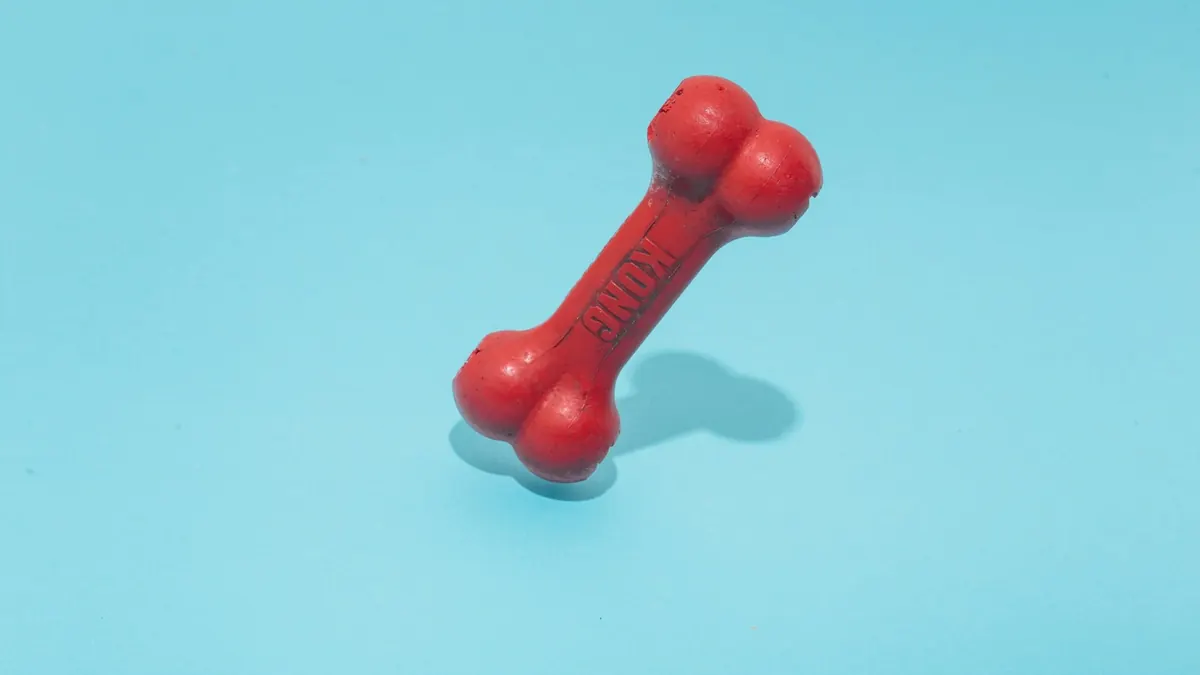
Resource guarding is when a dog stiffens, eats faster, moves away with an item, growls, snaps or bites to keep control of something it values, such as food, a chew, a toy, a resting spot or a person. It comes from a fear of losing that thing, so the safe way to help is never to take things by force: manage the home to avoid conflict, trade up instead of grabbing, get a vet check, and work with a reward-based professional if there is any growling or biting. Guarding is natural and common, but it can lead to bites, especially with children. A study of 1,051 dogs evaluated at a New York shelter, published by Betty McGuire in 2019, classed 15.3% as resource guarders, and most showed mild to moderate guarding. This guide, for families in Trivandrum (Thiruvananthapuram) and across Kerala, explains the signs, the causes, what helps and what makes it worse.
Neolokam packages & prices
Advertised rate + 18% GST. Your final rate is confirmed on WhatsApp before you book.
What resource guarding looks like
Jacobs and colleagues, in two 2018 surveys of dog owners, describe three patterns of guarding: avoidance (turning the head or body away, or moving off with the item), rapid ingestion (gulping food or a chew as you approach), and aggression. Owners spot the growl easily but often miss the quieter signs.
Dogs Trust lists these signs, roughly from early to late:
- •Lip licking, tension in the face and body, whites of the eyes showing.
- •Standing over the item, lowering the head over it, or blocking it with the body.
- •Staring at the person or dog approaching.
- •Eating faster, or swallowing non-food items whole.
- •Running off and hiding with the item.
- •Freezing stiff.
- •Growling, barking, lunging, snapping or biting.
Guarding can be about food, chews and bones, toys, socks or tissues, beds, sofas, crates and doorways, or a favourite person. Some dogs guard from people, some from other dogs, some from both.
Why dogs guard
- •Fear of loss. Dogs Trust is clear that guarding is about worry, not dominance, naughtiness or spite.
- •Past scarcity. A rescued street dog in Kerala that once competed for scraps may value food very highly.
- •Past experience. If someone repeatedly snatched things away, the dog learns that approaching hands mean loss.
- •Pain, illness or hunger. Dogs Trust notes guarding is strongly linked with underlying medical problems, especially when it is new.
- •Temperament. In those surveys, covering 3,589 dogs, dogs rated as more impulsive or more fearful were more likely to guard aggressively.
- •Other dogs at home. The same research found dogs in multi-dog households were more likely to guard around other dogs.
- •Stress stacking. Visitors, festivals, noise and a long day can lower a dog's tolerance.
Any breed can guard. In the 2019 shelter study, small and large dogs guarded more often than medium-sized dogs, so a small lap dog's growl deserves the same respect as a big dog's.
What never to do
- •Do not take things from your dog by force, chase it or corner it. Dogs Trust warns this can confirm the fear, turn into a game, or leave the dog feeling trapped.
- •Do not put your hands in the bowl or take the bowl away mid-meal to "teach" your dog. The Jacobs research linked removing the dish during meals with more severe guarding.
- •Do not punish growling. The RSPCA explains that punishing warnings can suppress them, so later bites seem to come without warning.
- •Do not shout, hit, scruff or pin your dog down. AVSAB advises against any force, intimidation or physical correction, including for aggression.
- •Do not test your dog by reaching for its things to see what happens.
- •Do not leave children, guests or other dogs to work it out alone.
Management first: a home checklist
Management stops your dog practising guarding while you work on the feelings underneath. Screenshot this list:
- •Feed in a quiet room or behind a gate, with the door closed, and let your dog finish in peace.
- •Call your dog to another room before picking up the empty bowl, and check for hidden food.
- •Give long-lasting chews only in a closed room, or skip them until you have support.
- •Count treats and make sure they are all eaten, so none is stashed and guarded later.
- •Put away the items your dog guards. Pick up shoes, socks, tissues and children's toys.
- •Keep a rule that no human food is eaten in the dog's area. In Kerala homes, watch for meals eaten on the floor, festival sadya leftovers and fish or chicken bones on plates.
- •Close bedroom doors or use gates if your dog guards a bed or sofa, and give it a comfortable resting spot of its own.
- •On walks, cross the road or turn around if you see food waste or bones your dog might grab. A trained basket muzzle can help with scavenging.
- •Write the rules down so everyone at home, including helpers and visitors, follows them.
Trade up, never take
When you need something back, swap it. Dogs Trust advises offering something of equal or higher value, thrown a little past your dog, so it moves away from the item to get the new reward.
- •Keep a jar of high-value treats such as small pieces of boiled chicken where you can reach them.
- •Stay a comfortable distance away. If your dog stiffens, you are too close.
- •Say a cheerful word like "swap" and toss the treat a metre or two away from the item.
- •While your dog eats it, calmly pick the item up, or close a door between your dog and it.
- •If the item was safe, sometimes give it back. That teaches your dog that people bring good things, not losses.
Teaching a reliable "drop" cue is valuable too. Both Jacobs surveys linked a reliable drop with a lower chance of aggressive guarding. Teach it with low-value toys first and a better reward each time, and if your dog already guards seriously, teach it with a professional.
Make your approach predict good things
Dogs Trust suggests adding value rather than taking it away. While your dog eats, walk past at a distance it is relaxed with and toss a tasty piece of food towards its bowl, then walk on. Over many meals, your dog learns that a person approaching the bowl means more food, not less. The Jacobs research found adding palatable food at mealtime was associated with milder guarding.
Hand-feeding part of a meal, a few pieces at a time, also builds trust. Go slowly: if your dog tenses, eats faster or freezes, increase distance. For a dog that has growled or bitten, do this only with a professional guiding you.
Guarding people, spaces and other dogs
Some dogs guard their favourite person, growling when a partner sits close on the sofa or a child hugs the owner. Others guard beds, crates, doorways or the space under a table. Dogs Trust's advice:
- •Avoid the situations that trigger it for now, for example by keeping the dog off the sofa when visitors come.
- •Greet visitors with your dog behind a gate, and reward calm behaviour.
- •Use gates, pens or closed doors around favourite spots, but give your dog a quiet space of its own.
- •With two or more dogs, feed separately behind barriers, put away guardable items and give each dog its own resting spot.
If guarding has led to fights between your dogs, our guide to dog aggression towards other dogs covers safety at home.
Keeping children safe
- •Actively supervise every moment children and the dog are together. Being in the same house is not supervision.
- •Keep children away while the dog has food, chews, toys or is resting.
- •Feed the dog in a closed room or behind a gate.
- •Teach children never to take anything from the dog, hug it, or reach into its bed.
- •Clear the floor of snacks, plates and toys before the dog comes in.
- •Give the dog a safe space children are not allowed to enter.
If your dog has growled at, snapped at or bitten a child, separate them and get professional help straight away.
Puppies, vets and professional help
Puppies can guard too, and early life is the best time to teach them that hands bring good things. Use swaps rather than grabbing, avoid telling them off, and puppy-proof the home so you rarely need to take anything away.
Book a vet check if guarding is new or getting worse, or if your dog gulps non-food items. If your dog may have swallowed something dangerous, or is vomiting, go to a vet now.
Get help from a reward-based trainer or qualified behaviour professional if there is any growling, snapping or biting, if children live in the home, or if guarding is spreading to new items. Neolokam's training team can talk through your dog's situation on +91 77363 90719.
Common questions
Why does my dog growl when I go near its food bowl?
Your dog is worried you will take its food. Dogs Trust describes resource guarding as a response to fear of losing something valued, not dominance or spite. The growl is a polite warning. Stop, move away and avoid approaching the bowl while your dog eats. Never punish the growl, because that removes the warning without removing the worry, and get professional help.
Will my dog grow out of resource guarding?
Usually not on its own. Dogs Trust says guarding is not something dogs grow out of, and it is often linked to medical issues, so a vet check comes first. With management and patient, reward-based training, many dogs become far more relaxed around their things. Taking items by force tends to make guarding worse, because it confirms the dog's fear.
How do I get something dangerous away from a dog that guards?
Trade, do not grab. Toss a piece of something your dog values even more, such as boiled chicken, a short distance away from the item. When your dog moves to eat it, calmly pick up the item or close a door between your dog and it. If your dog may have swallowed something harmful, such as a bone, battery or medicine, go to a vet now.
Is resource guarding dangerous for children?
It can be, because children often reach for toys, drop food and sit on dogs' beds. Keep children away from a guarding dog when it has food, chews or toys, feed the dog behind a closed door or gate, and actively supervise every interaction. Teach children never to take things from a dog or disturb it while it eats or rests. Get professional help early.
Should I put my hand in my dog's bowl to stop food guarding?
No. Putting hands in the bowl or taking the bowl away mid-meal can increase guarding. A survey of over 3,500 dogs by Jacobs and colleagues found removing the food dish during meals was linked with more severe guarding, while adding tasty food to the bowl was linked with milder guarding. Let your dog eat in peace, and work on the rest with a professional.
Bottom Line
Resource guarding is a dog saying "I'm worried you'll take this." Answer the worry, not the growl: manage the home so conflicts cannot happen, trade up instead of grabbing, make your approach predict good things, and keep children well away from guarded items. Check for pain with your vet, and bring in a reward-based professional for any growling or biting. With patience, most guarding dogs become far more relaxed.
Related
Sources
- Dogs Trust: Resource guarding in dogs, how to keep everyone safe
- Jacobs et al. (2018), Factors associated with canine resource guarding behaviour in the presence of people, Preventive Veterinary Medicine
- Jacobs et al. (2018), Factors associated with canine resource guarding behaviour in the presence of dogs, Preventive Veterinary Medicine
- McGuire (2019), Characteristics and Adoption Success of Shelter Dogs Assessed as Resource Guarders, Animals
- RSPCA: Aggression in dogs
- AVSAB Position Statement on Humane Dog Training (2021)
Ready to Book?
Call or WhatsApp Neolokam Trivandrum. No automated replies — you speak to a real person.
More guides for dog owners
- Dog Aggression Towards Other Dogs: Why It Happens, the Warning Signs and How to Keep Everyone SafeA calm, evidence-based guide to dog-to-dog aggression for Trivandrum owners: the common causes, the warning-sign ladder, safety at home with two dogs, a vet check for pain, working with a professional and what it means for daycare and boarding.
- Dog Stress & Anxiety in Kerala: Signs, Causes, and Solutions (2026)A complete guide to dog anxiety in Kerala — recognising early warning signs, understanding Kerala-specific triggers like festival noise and monsoon thunder, and what actually works to treat it.
- Dogs and Fireworks in Kerala: How to Keep Your Dog Calm Through Diwali, Christmas–New Year and VishuA practical plan for Kerala's cracker seasons: the signs of noise fear, a cool safe den, walk timing, ID tags for dogs that bolt, desensitising over weeks, when to see a vet and what to tell a boarding team.
- How to Introduce Two Dogs: Neutral Ground, Parallel Walks and the First Two Weeks at HomeA calm, step-by-step way to introduce a new dog to your dog: where to meet, how to walk them side by side, what their body language means, how to set up the house, and how boarding farms introduce dogs to a group.
- How to Build Confidence in a Shy or Fearful Dog: Signs, Safe Space, Small Steps and When to Get HelpHow to recognise fear in a dog, set up a safe space, let the dog choose the pace, use desensitisation and enrichment, avoid the common mistakes, and know when a vet or behaviour professional should step in.
- Socialising an Adult Rescue Dog: Decompression, Trust and Gentle Introductions for Indie and Street DogsHow to help an adult rescued indie or street dog feel safe with people, other dogs and the outside world: decompression, fear signals, trust-building, step-by-step introductions and what to do when progress stalls.