
How to Build Confidence in a Shy or Fearful Dog: Signs, Safe Space, Small Steps and When to Get Help
November 2026 — Neolokam, Trivandrum
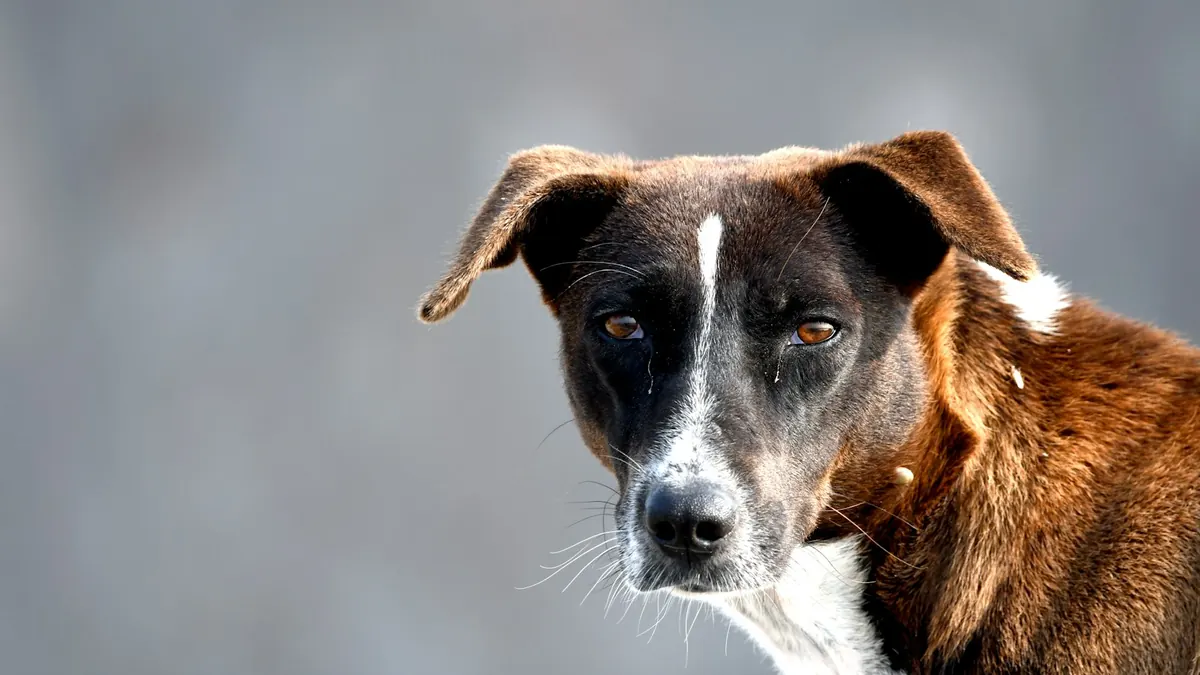
To build confidence in a shy or fearful dog, make its world predictable, give it a safe place to retreat to, let it choose when to approach, and expose it to frightening things only at a level it can handle while pairing them with something it loves. Never force, flood or punish a frightened dog, and see your vet if the fear is severe, sudden or getting worse. This guide is for owners in Trivandrum (Thiruvananthapuram) living with a timid puppy, a nervous adult or a rescue dog who is still unsure of the world. It covers the signs of fear, the daily habits that help, a simple step-by-step exposure method, enrichment ideas, the mistakes to avoid, and when to bring in a vet or behaviour professional. It is general education; your own vet should check any dog whose behaviour has changed.
Neolokam packages & prices
Advertised rate + 18% GST. Your final rate is confirmed on WhatsApp before you book.
Signs your dog is shy or afraid
Fear is not always cowering in a corner. The American Kennel Club lists several quieter signs, and many owners miss them at first.
- •Cowering, trembling or shaking, or trying to run away.
- •Yawning when not tired, which often signals discomfort.
- •Ignoring treats or toys the dog normally loves.
- •Panting when it is not hot or after exercise.
- •Sniffing the ground suddenly, as a way to avoid a situation.
- •Growling or lunging, which can be fear-driven rather than true aggression.
- •Tail tucked, ears back, body low, or the whites of the eyes showing.
- •Freezing, or refusing to move forward on a walk.
The Merck Veterinary Manual describes fear as a normal response to a real or perceived threat, and anxiety as the response when a dog expects a threat. Their signs overlap. It lists poor socialisation, inherited temperament, past punishment and learning among the causes of fear-based behaviour. A rescue dog's history is often unknown, so treat every new situation as potentially new to that dog.
Start with a safe space and a routine
A frightened dog needs somewhere it can go where nothing bad happens. It also needs a day it can predict.
- •Set up a quiet retreat: a covered crate with the door open, a bed behind a sofa, or a corner of a spare room away from the gate and the road.
- •Make the rule absolute: nobody, including children and guests, disturbs the dog there.
- •Keep feeding, walks and bedtime at roughly the same times every day. The AKC recommends a reliable routine so the dog's world becomes more predictable.
- •Reduce background stress. Close a window on a noisy road, use a fan or soft music to mask sudden sounds, and walk at quieter times.
- •In Kerala, plan for loud weeks in advance: festival crackers, temple and church celebrations, and monsoon thunder. Our post on dogs and fireworks has a calm-down plan for those nights.
A dog that can rest properly is in a far better state to learn than one that is on alert all day.
Let the dog choose the pace
Confidence grows when a dog learns that it has some control over what happens to it. Forcing interactions does the opposite.
- •Let the dog approach people, not the other way round. Ask visitors to ignore the dog, sit down, avoid eye contact and toss a treat away from themselves if the dog comes near.
- •Keep greetings short. If the dog sniffs and moves away, let it go.
- •Never drag a dog towards something it is afraid of, or hold it still for strangers to touch.
- •It is fine to tell people your dog does not want to say hello.
- •Teach a few simple cues with rewards, such as sit, touch (nose to your hand) and come. The AKC suggests letting the dog earn everyday rewards with these behaviours, which gives it a sense of control.
- •Notice and reward any brave choice, however small: looking at a visitor calmly, stepping onto a new surface, taking a treat in a new place.
On walks, choose quiet lanes and times. A dog that is constantly bumping into barking street dogs, scooters and crowds will struggle to relax enough to learn.
Desensitisation and counterconditioning, step by step
VCA Animal Hospitals and the Merck Veterinary Manual both describe desensitisation and counterconditioning as the core of treating fears. Desensitisation means exposing the dog to its trigger at a very low level and increasing it gradually. Counterconditioning means pairing each exposure with something the dog loves, so the trigger starts to predict good things.
- •Step 1: Pick one trigger, such as visitors, the pressure cooker whistle, scooters or being touched on the paws.
- •Step 2: Find a level the dog can notice without reacting. That might mean a visitor sitting at the far end of the room, a recording played very softly, or a scooter parked with its engine off. The AKC calls this keeping the dog below threshold.
- •Step 3: Each time the trigger appears at that level, give a small, high-value treat. When it disappears, the treats stop.
- •Step 4: Keep sessions to a few minutes and end while the dog is still relaxed.
- •Step 5: Increase the intensity only when the dog stays relaxed: a little closer, a little louder, a little longer. VCA suggests adding distance, lowering volume or introducing the parts of a trigger one at a time.
- •Step 6: If the dog shows fear, go back to the last easy step next time.
Go at the dog's pace, not the calendar's. VCA also notes that frightened animals learn poorly, so training a dog while it is afraid does not work. If a session goes wrong, calmly end it.
Enrichment that builds confidence
Small successes in daily life add up. Enrichment gives a shy dog safe chances to explore, solve problems and feel capable.
- •Sniffing games: scatter part of a meal in the grass or a towel and let the dog search for it.
- •Food puzzles: a stuffed toy, a muffin tray with balls over the food, or a rolled-up towel with treats inside.
- •New surfaces at home: a rubber mat, a cardboard sheet, a low step, rewarded with treats.
- •Short, easy training sessions with plenty of rewards.
- •Calm walks in quiet places where the dog can sniff freely on a longer lead.
- •For some dogs, simple agility-style exercises such as stepping over a broom handle. The AKC notes that facing manageable challenges builds confidence.
Keep enrichment fun and optional. If the dog walks away from a game, it is too hard; make it easier next time.
What not to do
Well-meant mistakes can make fear worse. Avoid these:
- •Flooding: putting the dog in the middle of its fear, such as a crowded function or a room full of guests, to make it get used to it. This usually deepens fear.
- •Punishment: shouting, smacking, leash jerks, or prong and shock collars. The Merck Veterinary Manual lists past punishment among the causes of fear-based behaviour, and warns that physical punishment, including prong and shock collars, almost always makes aggressive dogs worse.
- •Punishing a growl: the growl is a warning. Remove the warning and you may get a bite without one.
- •Forcing handling: holding a dog down for nail clipping, grooming or strangers.
- •Rushing: moving to the next step before the dog is ready.
- •Expecting a personality transplant: aim for a dog that copes, not one that loves crowds.
- •Using medicines from friends, the internet or another pet. Only your vet should decide on any medication.
When to see a vet or behaviour professional
Some fear is a training project. Some needs professional help. See your vet if:
- •The fear appeared suddenly or is getting worse.
- •The dog growls, snaps or bites, or you feel unsafe.
- •It stops eating, cannot settle, trembles or hides for long periods.
- •It injures itself trying to escape, or damages doors and windows when left alone.
- •Fear stops it from going outside, being handled or visiting the vet.
The Merck Veterinary Manual notes that medical problems can contribute to behaviour changes, so a vet check comes first. Your vet can also discuss whether medication might help alongside a behaviour plan; the Merck Veterinary Manual notes that a vet may prescribe it as part of treatment. For a step-by-step programme, ask your vet for a referral to a veterinary behaviourist or a qualified, reward-based trainer.
If a rescue dog is struggling with other dogs specifically, our post on socialising an adult rescue dog covers that side in more detail.
Shy dogs and boarding
Travel and festivals sometimes mean a shy dog needs care away from home. The right choice depends on how your dog copes with change.
- •Some shy dogs do better somewhere calm and spacious with a steady routine. Others are overwhelmed by any new place and may be happier with a pet sitter at home.
- •Visit first. Watch your dog's body language: does it sniff and explore, or freeze and try to leave?
- •Pack familiar bedding, its usual food and a written note of its triggers and what helps.
- •Ask how new dogs are introduced, whether there is a quiet place to retreat to, and how the staff handle a dog that is not coping.
At Neolokam, a 1.5-acre cage-free dog farm east of Trivandrum city towards Kattakada, every new dog has a prior visit, orientation and temperament assessment, and dogs are grouped by temperament with supervised time alongside compatible dogs. Three dedicated Malayali staff are on site, with 24/7 human care. Because it is a cage-free group environment, dogs must be comfortable around other dogs, so the visit helps the team decide whether it will suit your dog.
Confidence-building checklist
Screenshot this and stick it on the fridge.
- •A safe retreat that nobody disturbs.
- •The same feeding, walk and bedtime every day.
- •Visitors ignore the dog; the dog chooses to approach.
- •One trigger at a time, at a level the dog can handle.
- •Every exposure paired with a high-value treat.
- •Sessions of a few minutes; end while the dog is relaxed.
- •Daily sniffing games or a food puzzle.
- •No flooding, no punishment, no forced handling.
- •Track small wins in a notebook or on your phone.
- •Vet now if fear is sudden, severe, worsening or involves biting.
Common questions
Can a fearful dog become confident?
Most fearful dogs can become noticeably more comfortable, but a naturally shy dog is unlikely to turn into an outgoing one. The American Kennel Club advises aiming for greater comfort rather than a complete personality change. With a predictable routine, a safe space, rewards and slow exposure below the fear threshold, many dogs learn to cope with visitors, walks and handling far better than before.
Should I comfort my dog when it is scared?
Calm comfort is fine. Fear is an emotion, and gentle reassurance does not reward it in the way people sometimes worry. What helps most is removing or reducing whatever is frightening the dog, letting it retreat to its safe space, and staying calm yourself. Avoid forcing the dog to face the trigger, scolding it, or holding it in place, because those make the fear worse.
How long does it take to build a fearful dog's confidence?
It usually takes weeks to months, and progress is rarely a straight line. Fear interferes with learning, so sessions must stay short and easy, and a bad day can set a dog back. Measure progress by small changes: approaching visitors slightly sooner, eating treats in a new place, or recovering faster after a fright. If there is no improvement after a few weeks, ask your vet for a referral.
When should I take a fearful dog to the vet?
See your vet if the fear is sudden, severe or getting worse, if the dog growls, snaps or bites, if it stops eating, or if it trembles, hides or cannot settle for long periods. Pain, illness and some hormonal and neurological problems can cause or worsen fearful behaviour. Your vet can check for these, discuss whether medication could help alongside training, and refer you to a behaviour professional.
Is boarding a good idea for a shy or fearful dog?
It depends on the dog. Some shy dogs cope well in a calm, spacious setting with a predictable routine, while others are overwhelmed by any change. Arrange a visit first and watch how your dog responds. At Neolokam every new dog has a prior visit and temperament assessment, and the team decides whether the group setting will suit your dog. Pet sitting at home may suit some dogs better.
Bottom Line
Shy and fearful dogs gain confidence slowly, through safety, predictability, choice and many small, rewarded steps. Keep the pressure low, work below the fear threshold, give your dog daily chances to succeed, and avoid punishment and forced exposure. Involve your vet early if the fear is severe or changing, because health problems and the right professional support can make a real difference. If you need care for a nervous dog while you travel, call or WhatsApp Neolokam on +91 77363 90719 to talk through whether boarding or another option suits your dog.
Related
Ready to Book?
Call or WhatsApp Neolokam Trivandrum. No automated replies — you speak to a real person.
More guides for dog owners
- Dog Aggression Towards Other Dogs: Why It Happens, the Warning Signs and How to Keep Everyone SafeA calm, evidence-based guide to dog-to-dog aggression for Trivandrum owners: the common causes, the warning-sign ladder, safety at home with two dogs, a vet check for pain, working with a professional and what it means for daycare and boarding.
- Dog Stress & Anxiety in Kerala: Signs, Causes, and Solutions (2026)A complete guide to dog anxiety in Kerala — recognising early warning signs, understanding Kerala-specific triggers like festival noise and monsoon thunder, and what actually works to treat it.
- Dogs and Fireworks in Kerala: How to Keep Your Dog Calm Through Diwali, Christmas–New Year and VishuA practical plan for Kerala's cracker seasons: the signs of noise fear, a cool safe den, walk timing, ID tags for dogs that bolt, desensitising over weeks, when to see a vet and what to tell a boarding team.
- How to Introduce Two Dogs: Neutral Ground, Parallel Walks and the First Two Weeks at HomeA calm, step-by-step way to introduce a new dog to your dog: where to meet, how to walk them side by side, what their body language means, how to set up the house, and how boarding farms introduce dogs to a group.
- Resource Guarding in Dogs: Signs, Causes and Safe Ways to Help a Dog That Guards Food, Toys, Spaces or PeopleWhy dogs guard food, chews, toys, beds or people, the early warning signs, what never to do, how trade-ups and management work, how to keep children safe and when to call a professional.
- Socialising an Adult Rescue Dog: Decompression, Trust and Gentle Introductions for Indie and Street DogsHow to help an adult rescued indie or street dog feel safe with people, other dogs and the outside world: decompression, fear signals, trust-building, step-by-step introductions and what to do when progress stalls.