
Socialising an Adult Rescue Dog: Decompression, Trust and Gentle Introductions for Indie and Street Dogs
November 2026 — Neolokam, Trivandrum
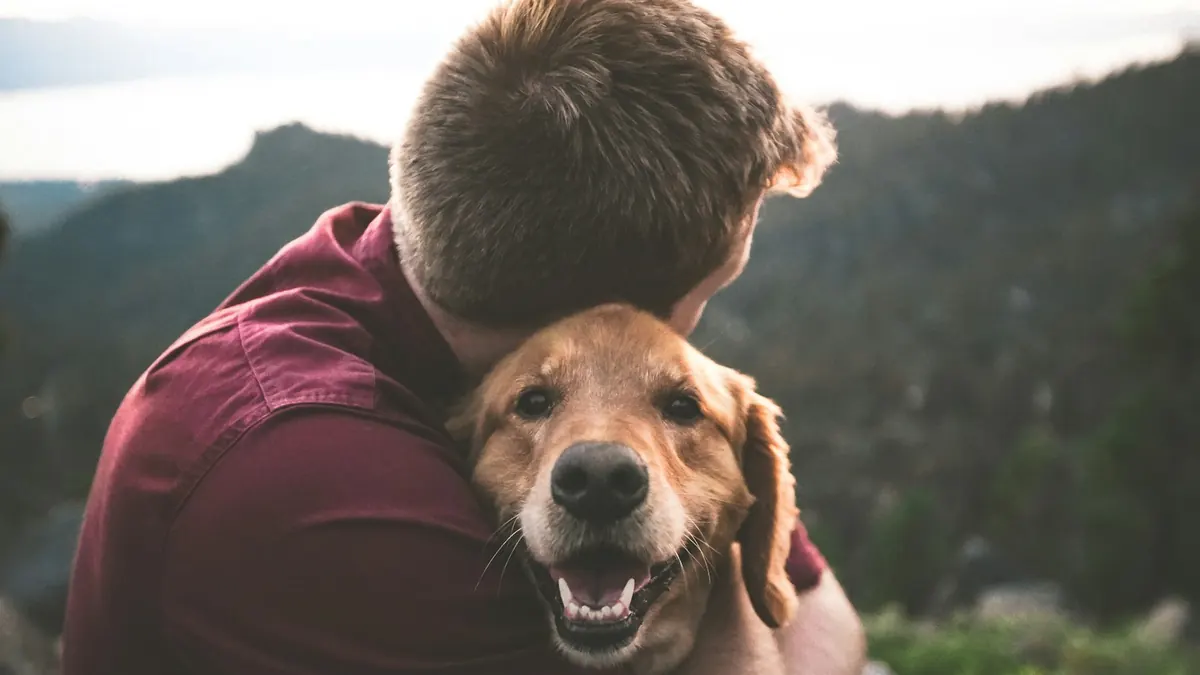
To socialise an adult rescue dog, first give it one to two weeks of quiet decompression, then introduce people, dogs and places one at a time, at a distance where it stays relaxed, pairing each with food and always letting the dog choose whether to come closer. The aim is a dog that feels safe, not a dog that loves everyone, and progress is measured in weeks and months. Adopting an adult indie or former street dog in Trivandrum (Thiruvananthapuram) is a wonderful thing, and many settle quickly. Others arrive wary of hands, leads, indoor rooms, men, other dogs or traffic. This guide draws on advice from Dogs Trust, the RSPCA and AVSAB to give you a 90-day plan, and explains what to do when progress stalls. For vaccinations, deworming and tick care, see our indie dog care guide.
Neolokam packages & prices
Advertised rate + 18% GST. Your final rate is confirmed on WhatsApp before you book.
Why adult rescues need a different approach
A puppy is still forming its view of the world. An adult rescue already has one, shaped by its past. A dog that grew up on a Kerala street may be very good with other dogs but nervous of being touched or confined. A dog surrendered from a home may love people but have had bad experiences with dogs. Some have never walked on a lead, climbed stairs or heard a mixer grinder up close.
That means you are not filling a blank page. You are helping a dog relearn that certain things are safe. It takes longer and it must go at the dog's pace. Dogs Trust also warns that behaviour seen in a shelter does not always predict behaviour at home, so expect some surprises in the first weeks.
Decompression: the first one to two weeks
Dogs Trust's settling-in advice, as a checklist for the first fortnight:
- •Let your dog settle at its own pace. Hiding and not wanting contact at first is normal.
- •Do not fuss or force interaction. Keep your hands at your sides and let the dog come to you.
- •Set up a quiet den away from busy areas, with water, a bed and a chew, and never disturb your dog while it is in it.
- •Use food enrichment such as scatter feeding or a stuffed toy, so your dog explores without pressure.
- •Keep walks short and in the same place for the first few days.
- •Keep visitors away for now, and the home calm.
- •Build a predictable routine: same meal times, walk times and toilet spot.
- •Keep a diary for three months: what your dog likes, avoids, eats and how it sleeps.
- •Register with a vet in the first few days for a health check.
Decompression is not doing nothing. It is letting the stress of a big change drain away before you ask your dog to learn anything new.
Reading fear signals
Fear signals often come in a ladder. The RSPCA and Dogs Trust describe these early to late:
- •Yawning, lip licking, blinking, turning the head or looking away.
- •Ears back, body lowered, tail low or tucked, weight shifted backwards.
- •Moving away, hiding or freezing.
- •Whites of the eyes showing, a stiff body, a hard stare.
- •Growling, lifting the lip, snapping.
The early signs are your cue to give space. A dog that is ignored at the quiet stage may feel it has to use louder warnings. Never punish a growl; the RSPCA explains that punishing warnings removes them without removing the fear, which makes later bites seem sudden.
Also watch for a dog that seems to shut down: lying very still, not eating, not responding. That is not calm acceptance. It means the situation is too much.
Building trust, one small promise at a time
- •Toss treats rather than handing them over, so your dog does not have to come close to earn food. Gradually toss them nearer to you.
- •Hand-feed part of each meal when your dog is ready to approach.
- •Use the consent test Dogs Trust describes: if your dog leans in, stroke its chest or shoulders for three or four seconds, then stop. If it asks for more, continue. If it moves away, let it go.
- •Avoid reaching over its head, hugging, or picking it up.
- •Approach from the side, crouch rather than loom, and speak softly.
- •Let your dog see the lead and harness before they go on, and pair them with treats.
- •Keep your promises: the den is always safe, meals always come, and no one grabs or corners the dog.
Trust grows from predictability. Every time your dog chooses to come closer and nothing bad happens, it learns a little more.
Introducing people
Start with one calm visitor at a time, after the first week or two.
- •Brief the visitor before they arrive: ignore the dog, no eye contact, no reaching, sit down quickly.
- •Let the visitor toss treats away from themselves.
- •If your dog approaches, the visitor can let it sniff, then toss another treat away. No grabbing or stroking at first.
- •Keep visits short, and end them while your dog is still relaxed.
- •Repeat with the same person before adding someone new.
- •Introduce people in helmets, hats, umbrellas and uniforms gradually, since these can worry dogs who have had bad experiences.
- •With children, keep them seated and calm, and supervise every second. Children should never approach a dog that is resting or eating.
Introducing other dogs
Dogs Trust advises introducing other pets slowly and carefully.
- •Start with a parallel walk on neutral ground, each dog with its own handler, far enough apart that both stay relaxed.
- •Over several walks, gradually close the gap, rewarding calm glances.
- •Let them meet briefly in an open space with loose leads, for a few seconds, then call them apart with treats.
- •At home, feed separately, keep chews and toys away at first, and give each dog its own resting spot.
- •Supervise all time together for the first weeks and separate them when you are out.
For dogs outside your home, choose calm, friendly dogs you know rather than busy places where dogs are loose. Former street dogs may react to free-roaming dogs on their old patch or yours, so plan walking routes with care. If your dog shows aggression towards other dogs, see our guide to dog aggression towards other dogs.
Introducing the outside world
- •Start with the quietest walk you can find, at the quietest time.
- •Use a well-fitted harness and fixed lead, with an ID tag on a properly fitted collar. Frightened dogs can slip a loose collar.
- •Let your dog sniff. Sniffing lowers stress and helps a dog learn its surroundings.
- •Add one new thing at a time: a busier lane, a parked autorickshaw, a bus stop seen from across the road.
- •Use distance and food: when your dog notices something worrying, give a treat and move away if needed.
- •Practise car rides, the vet clinic for treats only, and handling such as paws, ears and towel-drying, in tiny steps.
A 90-day checklist
- •Days 1 to 14: decompress. Den, routine, short local walks, no visitors, vet check, diary started.
- •Weeks 3 to 4: one calm visitor at a time. Harness practice. Hand-feeding. One new walking route.
- •Weeks 5 to 8: parallel walks with a calm dog you know. Short visits from a second and third person. Short car rides.
- •Weeks 9 to 12: brief, supervised dog meetings in open space. Calm visits to the vet. A slightly busier walk, still at a distance from triggers.
- •Every week: one or two rest days with only sniffing walks and enrichment at home.
- •Every day: let your dog choose, reward calm, and stop before it is overwhelmed.
Move forward only when your dog is relaxed at the current stage. Some dogs complete this in eight weeks; others need six months or more.
When progress stalls
Plateaus are normal, but they are also information.
- •Too fast. Go back to the last stage where your dog was relaxed and stay there for a week.
- •Too much at once. Dogs Trust notes stress can stack up, and a big fright can leave a dog more sensitive for a few days. Add rest days.
- •Pain or illness. The 2020 review by Mills and colleagues in Animals found pain is often under-recognised in behaviour problems. A vet check is the first step if fear gets worse or new behaviour appears.
- •Flooding. AVSAB warns against forcing a fearful dog into the thing it fears to "get used to it". It usually makes fear worse.
- •Punishment. AVSAB advises against any force, intimidation or corrections.
Get help from a reward-based trainer or qualified behaviour professional if your dog bites or snaps, fear stays intense after several weeks, or the dog cannot be handled for basic care. Some dogs will always prefer a small circle of trusted people and dogs, and that is a perfectly good life. Neolokam's team can talk through training and socialisation options on +91 77363 90719.
Common questions
Can you socialise an adult dog?
Yes, although it works differently from puppy socialisation. An adult dog's views are already formed, so the goal is to help it feel safe, not to make it love everyone. Go slowly, keep each new experience at a distance the dog can cope with, pair it with food, and let the dog choose. Many adult rescues become far more relaxed within months.
How long does it take a rescue dog to settle in?
Many rescue groups use the 3-3-3 rule of thumb: about 3 days to decompress, 3 weeks to learn your routine and 3 months to feel at home. It is a guide, not a deadline. Dogs Trust suggests keeping a settling-in diary for the first three months so you can see real progress. Dogs with a hard past can take much longer.
My rescue dog is scared of men or strangers. What should I do?
Ask visitors to ignore the dog, sit down, avoid eye contact and toss treats away from themselves so the dog never has to come close to earn food. Let the dog approach only if it chooses, and keep greetings short. Never let anyone reach over its head or corner it. If fear stays intense after several weeks, get help from a reward-based trainer.
How do I introduce my rescue dog to my other dog?
Introduce them slowly and on neutral ground. Start with a parallel walk, each dog with its own handler, far enough apart that both stay relaxed, and close the gap over several walks. Then let them meet briefly in the garden with loose leads. Feed separately, keep toys and chews away at first, and supervise every interaction for the first weeks.
Why has my rescue dog's progress stalled?
Common reasons are going too fast, too many stressful events close together, pain or illness, or a fear that needs a structured plan. Go back a step to where your dog was relaxed, add rest days, and book a vet check, because pain can make fear worse. If there is still no progress, work with a qualified, reward-based behaviour professional.
Bottom Line
Socialising an adult rescue dog is a slow, rewarding partnership. Give it quiet time to decompress, learn its fear signals, build trust through predictable routines and choice, and introduce people, dogs and places one at a time at a distance it can handle. Expect plateaus, check for pain if things go backwards, and never use force or flooding. With patience, many wary indies and former street dogs become relaxed, affectionate companions.
Related
Ready to Book?
Call or WhatsApp Neolokam Trivandrum. No automated replies — you speak to a real person.
More guides for dog owners
- Dog Aggression Towards Other Dogs: Why It Happens, the Warning Signs and How to Keep Everyone SafeA calm, evidence-based guide to dog-to-dog aggression for Trivandrum owners: the common causes, the warning-sign ladder, safety at home with two dogs, a vet check for pain, working with a professional and what it means for daycare and boarding.
- Dog Stress & Anxiety in Kerala: Signs, Causes, and Solutions (2026)A complete guide to dog anxiety in Kerala — recognising early warning signs, understanding Kerala-specific triggers like festival noise and monsoon thunder, and what actually works to treat it.
- Dogs and Fireworks in Kerala: How to Keep Your Dog Calm Through Diwali, Christmas–New Year and VishuA practical plan for Kerala's cracker seasons: the signs of noise fear, a cool safe den, walk timing, ID tags for dogs that bolt, desensitising over weeks, when to see a vet and what to tell a boarding team.
- How to Introduce Two Dogs: Neutral Ground, Parallel Walks and the First Two Weeks at HomeA calm, step-by-step way to introduce a new dog to your dog: where to meet, how to walk them side by side, what their body language means, how to set up the house, and how boarding farms introduce dogs to a group.
- Resource Guarding in Dogs: Signs, Causes and Safe Ways to Help a Dog That Guards Food, Toys, Spaces or PeopleWhy dogs guard food, chews, toys, beds or people, the early warning signs, what never to do, how trade-ups and management work, how to keep children safe and when to call a professional.
- How to Build Confidence in a Shy or Fearful Dog: Signs, Safe Space, Small Steps and When to Get HelpHow to recognise fear in a dog, set up a safe space, let the dog choose the pace, use desensitisation and enrichment, avoid the common mistakes, and know when a vet or behaviour professional should step in.