
Indie Dog Care in Kerala: Adopting, Vaccinating, Socialising and Training an Indian Native Dog
November 2026 — Neolokam, Trivandrum
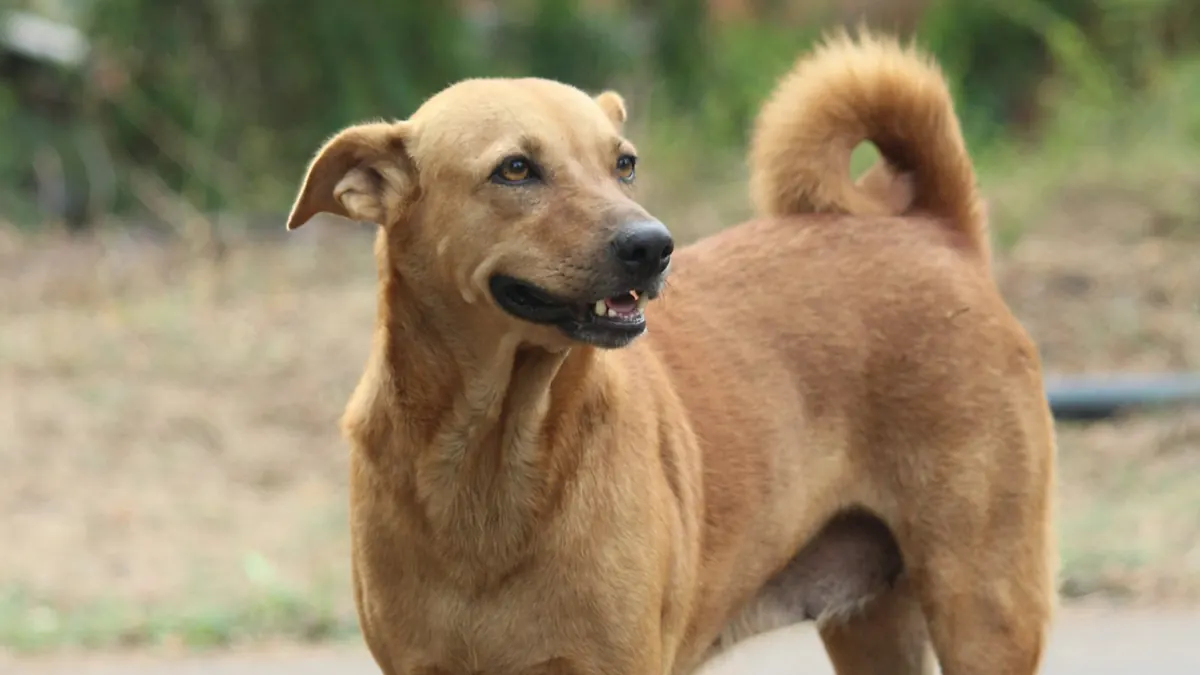
Indie dogs, India's native or ‘pariah’ type dogs, are generally hardy, short-coated and well suited to Kerala's heat and humidity, but a rescued street dog still needs a vet check in the first week, a vaccination and deworming plan from your vet, regular tick prevention and patient, reward-based socialisation. Get those right and an indie is one of the easiest dogs to live with in Kerala. This guide is for anyone in Trivandrum (Thiruvananthapuram) adopting or caring for an indie: why the type suits Kerala, how adoption usually works, first-month health steps for a rescued dog, ticks, settling a shy rescue, training, grooming, and what to expect when your indie needs boarding. Health information here is general; your own vet should guide every decision for your dog.
Neolokam packages & prices
Advertised rate + 18% GST. Your final rate is confirmed on WhatsApp before you book.
Why indies suit Kerala
Indian native dogs have lived alongside people in Indian towns and villages for a very long time, and the classic indie looks the part: a short, smooth coat, a lean medium-sized body, upright or semi-erect ears and a curled tail. That build sheds heat far more easily than a heavy-coated breed.
What this means day to day:
- •Less coat to manage in the humid months, and no need for frequent professional grooming.
- •Usually agile, alert and active, without the extreme exercise needs of some working breeds.
- •Often adaptable to flats as well as houses, if they get daily walks and brain work.
Indies are not immune to heat, ticks or disease. Many street dogs you adopt will be mixed, not ‘pure’ native type, and every dog is an individual. Give an indie the same shade, water, vet care and parasite prevention as any other dog. Read our guide to the best dog breeds for Kerala's climate for how other breeds compare.
Adopting an indie in Trivandrum
Most indies are adopted from rescue groups and shelters, from neighbourhood dogs that people have been feeding, or from rehoming requests shared by owners who can no longer keep a dog. Before you commit:
- •Meet the dog more than once if you can, and see how it behaves with people, other dogs and handling.
- •Ask the current carer for everything they know: approximate age, vaccinations, deworming, sterilisation, health issues, bite history and how the dog was found.
- •Check your home: gate gaps, wall height, open terraces and balcony railings. Many indies are agile and curious.
- •Agree who in the family will take responsibility for walks, vet visits and feeding.
- •Plan for a dog licence from your local body once rabies vaccination is done; our Kerala dog licence guide explains the process.
If you are trying to rehome a dog, Neolokam's adoption awareness page explains how it shares complete rehoming requests through its network. Neolokam does not take custody of dogs, screen adopters or manage the handover; the owner and adopter do that between themselves.
Vet first: vaccinations, deworming and a health baseline
Book a vet visit in the first few days, before your new dog meets other pets. Take any records you have and a list of questions.
Vaccinations: the World Small Animal Veterinary Association (WSAVA) 2024 guidelines say rabies vaccines are core wherever rabies is endemic, which includes India. For adult dogs with an unknown or incomplete history, WSAVA says a single dose of modified-live core vaccine will very likely be enough to protect a pet dog over 26 weeks old, with a second dose worth considering in high-risk situations. Puppies need a full series. Your vet decides which vaccines, when and how often; our puppy vaccination schedule guide for Kerala explains the usual stages.
Deworming: rescued street dogs often carry intestinal worms. The Tropical Council for Companion Animal Parasites notes that all animal hookworms can infect people, so deworming protects your family too. Ask your vet for a deworming plan and schedule.
Also ask about:
- •Sterilisation status and, if not done, when it should be.
- •Skin, ear and eye checks; mange and wounds are common in street dogs.
- •Tick prevention suited to your dog's weight and health.
- •Microchipping.
Go to a vet now if your new dog has repeated vomiting, bloody diarrhoea, pale gums, high fever, difficulty breathing, collapse, or any bite wound.
Ticks: the biggest everyday health risk
Kerala's warm, humid climate suits ticks. Veterinary researchers in Kerala reported that the brown dog tick is widely prevalent among dogs in Kerala, with a high occurrence of the tick-borne infections Babesia and Ehrlichia (Lakshmanan and colleagues, Journal of Parasitic Diseases, 2018). Street dogs are often heavily exposed before adoption.
A daily tick routine:
- •Run your fingers through the coat every evening, especially ears, neck, armpits, between toes and under the tail.
- •Remove ticks promptly with a tick tool and dispose of them safely.
- •Use tick prevention only as your vet advises, and keep to the schedule.
- •Wash bedding often and keep the compound grass short.
- •Go to a vet promptly if you see fever, weakness, loss of appetite, pale gums, dark urine or unusual bleeding. Tick-borne disease can be serious and needs proper diagnosis.
Settling and socialising a shy rescue
Many adopted indies are confident from day one. Others, especially adults who lived on the street or were hurt by people, arrive wary. Rescue groups use the 3-3-3 rule of thumb: roughly 3 days to decompress, 3 weeks to learn the routine and 3 months to feel at home. Some dogs take much longer.
- •Give a quiet resting spot the dog can retreat to, and do not pull it out.
- •Keep visitors to a minimum for the first weeks.
- •Let the dog approach people in its own time. Toss treats rather than reaching over its head.
- •Hand-feed part of meals to build trust.
- •Keep the routine predictable: same meal times, same walk times, same toilet spot.
- •Get the dog used to a well-fitted harness and lead indoors before going out. Frightened dogs can slip a loose collar, so use an ID tag and check fit often.
- •Learn the early signs of fear: lip licking, yawning, a tucked tail, turning away, freezing. Back off when you see them.
- •Avoid flooding: do not force a scared dog into crowds, handling or busy roads to ‘get used to it’.
If fear is severe or not improving, see your vet first, then a reward-based trainer with experience of rescue dogs.
Training an indie: smart and independent
Indies are often described as intelligent and independent, and research supports the idea that they read people well. In a study of free-ranging dogs in India published in PLOS ONE (Bhattacharjee and colleagues, 2017), 78 percent of pups that approached the test bowls followed a human pointing gesture, and adult dogs adjusted their behaviour depending on whether the person had been reliable.
That sensitivity cuts both ways: indies learn fast from rewards, and they lose trust quickly with harsh handling. The American Veterinary Society of Animal Behavior recommends reward-based methods for all dog training.
Priorities for most indies:
- •Name and marker word, so you can get attention outdoors.
- •Recall, practised in a closed compound or enclosed space before any off-lead time.
- •Loose-lead walking, since many indies pull towards smells, food and other dogs.
- •Leave it and drop, because scavenging is a strong habit for a former street dog.
- •Calm passing of street dogs on walks, at a comfortable distance, with treats.
- •Settling at home and short spells alone.
Keep sessions short, use food your dog really values, and train in the cooler hours.
Grooming needs: low effort, high value
Indies are low-maintenance, but not no-maintenance. A weekly checklist:
- •Brush once or twice a week with a rubber brush or bristle brush.
- •Bathe only when needed, with a dog shampoo, and dry fully in the monsoon.
- •Trim nails every few weeks, or when you hear them click on the floor.
- •Check and gently wipe ears.
- •Brush teeth or use vet-recommended dental chews.
- •Tick check every day, as above.
Neolokam's doorstep grooming comes to your home with two groomers and all equipment and products, travel included. A regular groom is ₹1,700 + 18% GST, a reactive dog is ₹2,000 + 18% GST, and a medicated bath is ₹2,200 + 18% GST. A home groom can be easier for a nervous rescue than a car trip to a salon.
Indies at boarding
Neolokam boards indies on its dogs-only, cage-free 1.5-acre farm east of Trivandrum city towards Kattakada, with trees, shade, open ground, a stream and a splash area. Dogs are grouped by temperament, three dedicated Malayali staff are on site with 24/7 human care, meals are home-cooked (or your dog's own dry food), and you get daily photo and video updates.
Before a first stay, every dog needs:
- •A trial visit and temperament assessment.
- •Up-to-date rabies and core vaccinations, with the record.
- •Current tick and parasite prevention as advised by your vet.
- •To be comfortable around other dogs.
A newly adopted, shy indie may need a few months of settling and socialisation before group boarding suits it. The trial visit helps the team and you decide whether your dog is ready. Long-term boarding starts at ₹444 per day plus 18% GST.
Common questions
Are indie dogs good pets in Kerala?
Yes. Indian native dogs usually have short, easy coats and lean, medium builds that cope with Kerala's heat and humidity better than many heavy-coated breeds. They tend to be alert, adaptable and quick to learn. They still need shade, water, vet care and tick prevention, and a rescued adult may need weeks or months of patient settling before its true personality shows.
What vaccinations does a rescued street dog need?
Your vet will decide, but in India rabies vaccination is treated as core. The World Small Animal Veterinary Association says a single dose of a modified-live core vaccine will very likely protect a pet dog over 26 weeks old with an unknown vaccination history, alongside rabies vaccine where rabies is endemic. Puppies need a full series. Take any records you have to the first vet visit.
Do indie dogs need grooming?
Very little compared with long-coated breeds. Brush once or twice a week to remove loose hair and check for ticks, bathe only when needed with a dog shampoo, trim nails regularly, check ears and keep teeth clean. Daily tick checks matter more than baths in Kerala. A professional groom is useful for a nervous dog or a medicated bath recommended by your vet.
Are indie dogs easy to train?
Indies are usually quick, observant learners, but many are independent thinkers who ask what is in it for them. Short, reward-based sessions with food they really like work well. Research on free-ranging dogs in India found that many puppies readily follow human pointing gestures. Focus on recall in safe spaces, loose-lead walking and leave it, since scavenging is a strong habit.
How long does a rescued indie dog take to settle?
Rescue groups use the 3-3-3 rule of thumb: about 3 days to decompress, 3 weeks to learn the routine and 3 months to feel at home. Dogs that lived on the street for years, or had bad experiences with people, can take six months or longer. Keep routines predictable, let the dog approach people in its own time and never force handling.
Bottom Line
An indie is a natural fit for Kerala, but a rescued dog still needs a vet visit in the first week, a vaccination and deworming plan from your vet, daily tick checks, a predictable routine and patient, reward-based training. Give a shy rescue months, not days. To ask about boarding or training for your indie in Trivandrum, call or WhatsApp Neolokam on +91 77363 90719.
Related
Sources
- WSAVA Guidelines for the Vaccination of Dogs and Cats (2024)
- Lakshmanan et al. (2018), Molecular detection of Hepatozoon canis in dogs from Kerala, Journal of Parasitic Diseases
- Bhattacharjee et al. (2017), Free-ranging dogs show age related plasticity in their ability to follow human pointing, PLOS ONE
- TroCCAP: Hookworms in dogs
- AVSAB Position Statement on Humane Dog Training (2021)
Ready to Book?
Call or WhatsApp Neolokam Trivandrum. No automated replies — you speak to a real person.