
Dog Aggression Towards Other Dogs: Why It Happens, the Warning Signs and How to Keep Everyone Safe
November 2026 — Neolokam, Trivandrum
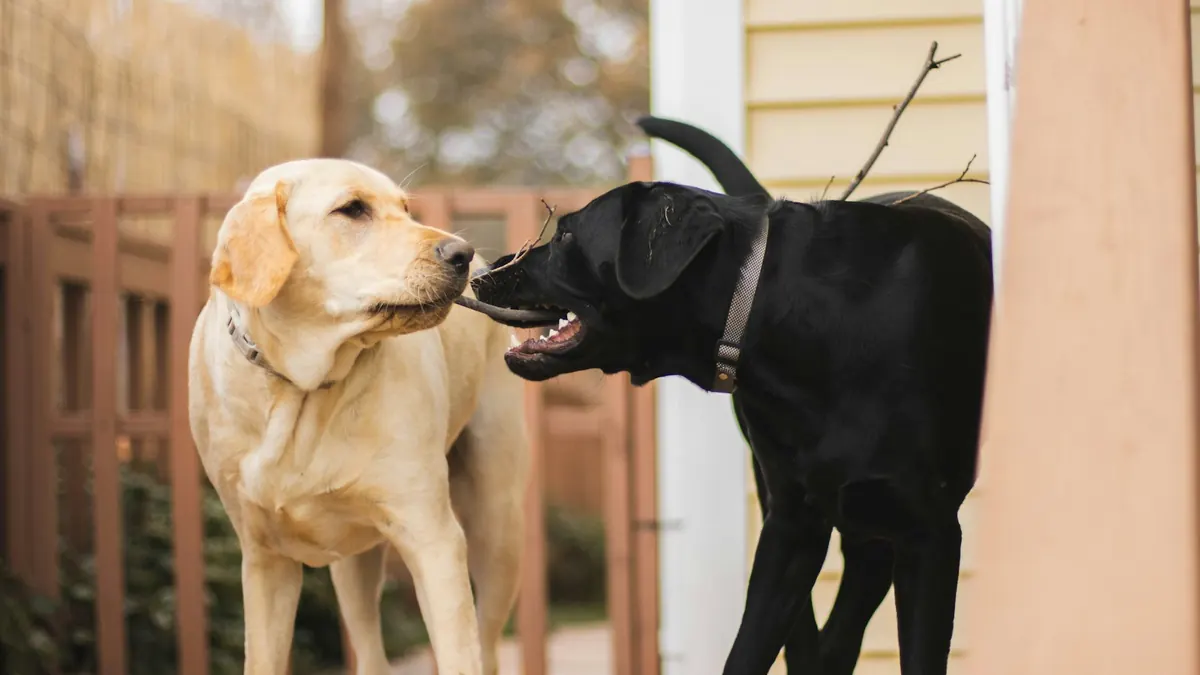
Dogs usually become aggressive towards other dogs because they are afraid, in pain, frustrated, guarding something they value, or were not well socialised with other dogs as puppies. Aggression is communication, and most dogs give a ladder of warning signs first, so the safest response is to learn those signs, manage your dog to prevent fights, get a vet check for pain and work with a qualified, reward-based professional. This guide is for owners in Trivandrum (Thiruvananthapuram) and across Kerala whose dog growls, lunges, snaps or fights with other dogs, whether that is a new dog on the street or the other dog at home. It draws on guidance from the RSPCA, AVSAB, Dogs Trust and peer-reviewed research. It is general education, not a diagnosis: if your dog has injured another dog or a person, please get professional help now.
Neolokam packages & prices
Advertised rate + 18% GST. Your final rate is confirmed on WhatsApp before you book.
What counts as aggression
The RSPCA describes aggression as a normal part of canine behaviour that includes growling, snarling, showing teeth and snapping at the air, not only biting. Dogs use it when they feel threatened, when something they value might be taken away, or when they are frustrated. Any dog can show it if pushed far enough.
That does not make it acceptable to live with risk. It means aggression has a reason, and when you find the reason you can change the situation and, over time, how your dog feels.
The common causes
- •Fear. The most common driver. A dog that was attacked by a free-roaming dog, or never met calm dogs as a puppy, may decide the best defence is to warn first.
- •Pain or illness. The 2020 review by Daniel Mills and colleagues in the journal Animals found that a suspected painful condition was present in a large share of behaviour referrals, with a conservative estimate of around one third. Aggression linked to joint or back pain often happens when the dog is approached while lying down.
- •Frustration. A dog that wants to greet but is held back on a lead, or blocked by a gate, can tip into barking and lunging.
- •Poor early socialisation. AVSAB states that incomplete socialisation in the first three months raises the risk of fear, avoidance and aggression later.
- •Resource guarding. Food, chews, toys, resting spots and even people can be guarded. Research by Jacobs and colleagues (2018) found dogs in multi-dog homes were more likely to guard around other dogs.
- •Hormones and sex. The RSPCA notes entire males are more likely to show aggression, mainly through competition over valued things.
- •Learning. If growling made the other dog go away last time, the dog learns that growling works.
Most dogs have more than one of these going on at once.
The warning-sign ladder
Dogs almost always signal discomfort before they bite, but the early signs are easy to miss. Learn your dog's ladder, from quiet to loud:
- •Yawning, lip licking, blinking, looking or turning away.
- •Ears pulled back, crouching, tail lowered or tucked.
- •Moving away, or trying to hide behind you.
- •Freezing, stiffening, a hard stare.
- •Raised hackles along the neck and back.
- •Growling, lifting the lip, showing teeth.
- •Snapping at the air, which the RSPCA describes as a warning that the next snap may make contact.
- •Biting.
The RSPCA also points out that a wagging tail does not necessarily mean a dog is friendly. When you see the lower rungs, calmly add distance. Do not wait for the growl.
If a fight breaks out
- •Do not reach between the dogs or grab collars or heads. Redirected bites to hands are very common.
- •Put something solid between them: a board, a bin lid, a plastic chair or a closed door.
- •A sudden loud noise or a bucket of water can sometimes interrupt a fight.
- •Once they separate, lead each dog to a different room and close the door.
- •Check both dogs carefully for punctures under the fur on the neck, chest, legs and ears.
- •See a vet the same day, even if the wounds look small. Punctures can be deeper than they appear.
- •If a person is bitten, wash the wound with soap and running water and see a doctor the same day.
Dogs Trust advises contacting both a vet and a qualified behaviour professional promptly after any dog-on-dog incident involving contact or injury.
Two dogs at home: a safety checklist
When the conflict is between your own dogs, management keeps everyone safe while you get help. Use this checklist:
- •Separate the dogs completely when you cannot supervise, using closed doors or sturdy gates. A gate a dog can jump over is not enough.
- •Feed in separate rooms, with doors closed, and pick up bowls when meals are done.
- •Give chews, bones and favourite toys only when the dogs are apart, and put away anything else that could be guarded.
- •Give each dog its own resting spot and safe space, out of the other dog's walkway.
- •Watch the tense moments: doorways, narrow corridors, when visitors arrive, when you come home, and when food is being prepared.
- •Take regular breaks during play so arousal does not build up.
- •Do not leave the dogs alone together, even briefly, until a professional has assessed them.
- •Write the house rules down so every family member, helper and visitor follows the same plan.
Do not try to settle it by letting them fight it out, and do not punish either dog. Fights between dogs that live together can get more serious over time.
Start with a vet check
The RSPCA advises a vet check for any behaviour problem involving aggression, because illness can make dogs grumpy and less tolerant, and any good behaviour professional will want pain ruled out first. Mention these signs if you have seen them:
- •Stiffness after rest, limping, slowing on walks or reluctance to jump into the car.
- •Growling when touched in a particular place, or when approached while lying down.
- •Licking or chewing at a limb, a change in appetite, or a change in sleep.
- •Aggression that seems out of proportion, or that started after an injury or illness.
Take a few short videos of the problem, safely filmed, and a diary of incidents: date, place, the other dog, what happened just before, and what your dog did. This record saves time and leads to a better plan.
Working with a professional
Choose a reward-based trainer or qualified behaviour professional who uses no pain, force or intimidation. AVSAB's position statement is clear that animals with aggression should be treated with humane methods, with no exceptions, and that prong, choke and shock collars and physical corrections should be avoided. A good professional will:
- •Take a full history and ask about your vet check.
- •Watch your dog, often at a distance from other dogs, rather than setting up a confrontation.
- •Explain the likely causes in plain language.
- •Give a written plan covering management, training exercises and what success looks like.
- •Teach you counter-conditioning and desensitisation at distances your dog can handle.
- •Suggest muzzle training as a safety tool where there is bite risk.
- •Be honest that progress is gradual and that some dogs need lifelong management.
On neutering, the RSPCA says it may make dogs that are not yet aggressive less likely to become so, but it is unlikely to help once aggression is established and can sometimes make some forms worse. Discuss it with your vet and behaviour professional rather than treating it as a fix.
What this means for daycare and boarding
Group settings ask a lot of a dog. Neolokam is a cage-free farm east of Trivandrum city, towards Kattakada, where dogs share open ground, shade and play areas, so boarding and daycare need dogs that are social, friendly and comfortable around other dogs. Every new dog has a visit, orientation and temperament assessment first, and the team groups dogs by temperament.
If your dog is aggressive or reactive with other dogs:
- •Say so when you enquire. Honest information keeps your dog and every other dog safe.
- •Expect the team to assess your dog before deciding anything. Reactive dogs may not be accepted during busy periods.
- •Ask about training and behaviour support; Neolokam's training and behaviour pages explain the approach.
- •Consider whether a home-based option, such as a pet sitter, is kinder for your dog while you work on the behaviour.
No responsible facility should promise to accept every dog. A no is about safety, not judgement.
Common questions
Why is my dog suddenly aggressive towards other dogs?
Sudden aggression in a dog that used to be friendly often points to pain, illness or a frightening incident, such as being attacked by a free-roaming dog. The RSPCA advises a vet check for any aggression problem, and a 2020 review in Animals found pain is frequently under-recognised in behaviour cases. Book the vet first, then work with a reward-based behaviour professional.
Can a dog that is aggressive to other dogs be trained?
Many dogs improve a great deal with a plan built on management, reward-based behaviour modification and treatment of any pain, but nobody can honestly guarantee a result. The RSPCA notes that because aggression is a response to a perceived threat, dogs can learn alternative responses. Some dogs end up enjoying a few calm dog friends; others are happiest with management for life.
Should I punish my dog for growling at another dog?
No. A growl is a warning that your dog is uncomfortable. The RSPCA explains that punishing growling can suppress the warning without removing the cause, so the next bite seems to come out of nowhere. AVSAB also warns that aversive methods are linked with more fear-related aggression. Calmly increase distance instead, and note what triggered the growl.
How do I safely separate two dogs that are fighting?
Never reach between fighting dogs or grab collars, because redirected bites are common. Put something solid between them, such as a board, a bin lid or a chair, or make a sudden loud noise, then lead each dog away to a separate room. Check both dogs for puncture wounds and see a vet the same day, even if the bites look small.
Can a dog that is aggressive to other dogs go to boarding or daycare?
It depends on the setting. Cage-free group farms such as Neolokam need dogs that are comfortable around other dogs, so every dog has a visit and temperament assessment first, and reactive dogs may not be accepted during busy periods. Tell the team about any aggression when you enquire. A home pet sitter may be a safer option for some dogs.
Bottom Line
Dog-to-dog aggression has causes, and most of them can be eased: fear, pain, frustration, guarding and gaps in early socialisation. Learn your dog's warning ladder and add distance early, manage your home so fights cannot happen, get a vet check for pain, and work with a qualified, reward-based professional rather than punishment. If you need help or want to discuss boarding for a dog with a history of aggression, call or WhatsApp Neolokam on +91 77363 90719 and the team will talk it through honestly.
Related
Sources
- RSPCA: Aggression in dogs
- Mills et al. (2020), Pain and Problem Behavior in Cats and Dogs, Animals
- AVSAB Position Statement on Humane Dog Training (2021)
- AVSAB Position Statement on Puppy Socialization
- Jacobs et al. (2018), Factors associated with canine resource guarding behaviour in the presence of dogs, Preventive Veterinary Medicine
- Dogs Trust: Reactive dogs, why it happens and how to help
Ready to Book?
Call or WhatsApp Neolokam Trivandrum. No automated replies — you speak to a real person.
More guides for dog owners
- Dog Stress & Anxiety in Kerala: Signs, Causes, and Solutions (2026)A complete guide to dog anxiety in Kerala — recognising early warning signs, understanding Kerala-specific triggers like festival noise and monsoon thunder, and what actually works to treat it.
- Dogs and Fireworks in Kerala: How to Keep Your Dog Calm Through Diwali, Christmas–New Year and VishuA practical plan for Kerala's cracker seasons: the signs of noise fear, a cool safe den, walk timing, ID tags for dogs that bolt, desensitising over weeks, when to see a vet and what to tell a boarding team.
- How to Introduce Two Dogs: Neutral Ground, Parallel Walks and the First Two Weeks at HomeA calm, step-by-step way to introduce a new dog to your dog: where to meet, how to walk them side by side, what their body language means, how to set up the house, and how boarding farms introduce dogs to a group.
- Resource Guarding in Dogs: Signs, Causes and Safe Ways to Help a Dog That Guards Food, Toys, Spaces or PeopleWhy dogs guard food, chews, toys, beds or people, the early warning signs, what never to do, how trade-ups and management work, how to keep children safe and when to call a professional.
- How to Build Confidence in a Shy or Fearful Dog: Signs, Safe Space, Small Steps and When to Get HelpHow to recognise fear in a dog, set up a safe space, let the dog choose the pace, use desensitisation and enrichment, avoid the common mistakes, and know when a vet or behaviour professional should step in.
- Socialising an Adult Rescue Dog: Decompression, Trust and Gentle Introductions for Indie and Street DogsHow to help an adult rescued indie or street dog feel safe with people, other dogs and the outside world: decompression, fear signals, trust-building, step-by-step introductions and what to do when progress stalls.