
Muzzle Training Your Dog: A Kind, Step-by-Step Guide to Basket Muzzles, Fit and Everyday Use
November 2026 — Neolokam, Trivandrum
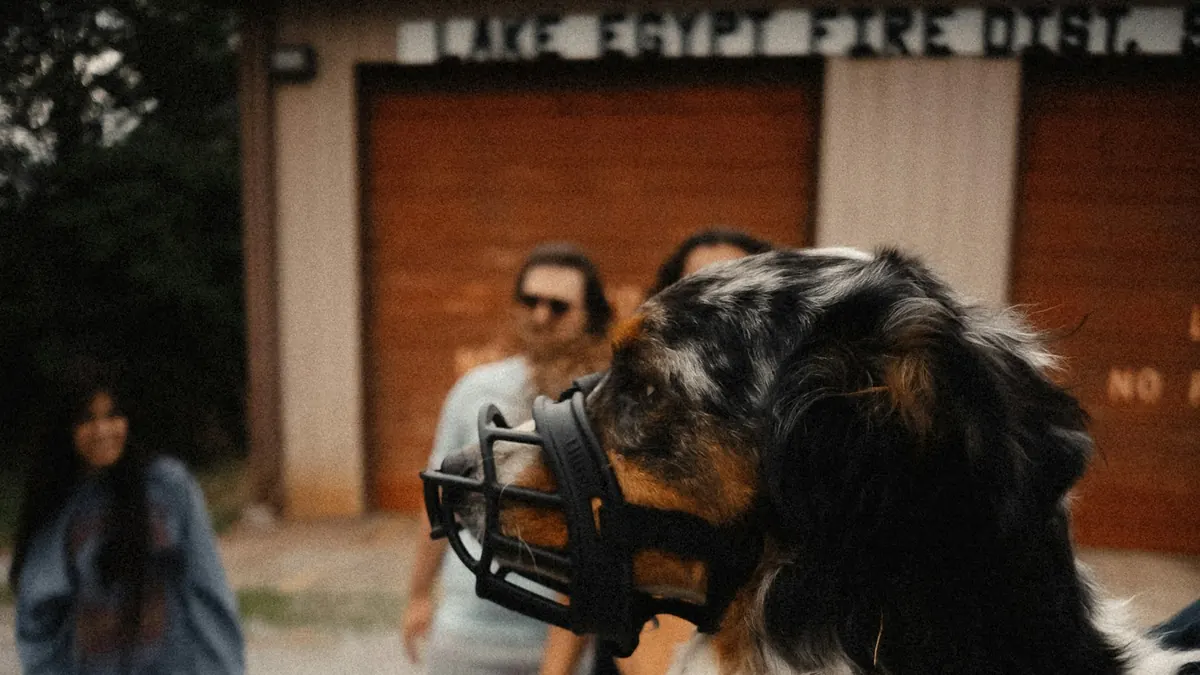
Muzzle training means teaching your dog, slowly and with rewards, to push its nose into a basket muzzle by choice and wear it calmly, so a muzzle becomes as ordinary as a collar. Most dogs get there in several short sessions a day over a few weeks, and the key rules are simple: choose a basket muzzle your dog can pant and drink in, let your dog come to the muzzle rather than pushing it on, and never rush a step. A muzzle is not a punishment or a sign of a bad dog. Dogs Trust's view is that it is useful for every dog to be comfortable in one. For owners in Trivandrum (Thiruvananthapuram) and across Kerala, a muzzle-trained dog is easier to take to the vet, safer to groom, and protected from grabbing chicken bones or waste on the road. This guide covers the right muzzle, a correct fit for Kerala's heat, a seven-step training plan and the safety rules.
Neolokam packages & prices
Advertised rate + 18% GST. Your final rate is confirmed on WhatsApp before you book.
When a muzzle helps
Dogs Trust and PDSA list these good reasons to muzzle train:
- •Vet visits, especially for painful procedures, injuries or when a frightened dog needs handling quickly.
- •Grooming and nail trims for dogs that are worried about handling.
- •Walks with a reactive dog, as a safety layer while you train.
- •Scavenging, for dogs that eat bones, plastic or waste found on the road.
- •Dogs with a strong chase or prey drive.
- •Emergencies, when an injured dog in pain may bite even a loved person.
Training before you need it is the point. A dog that meets its first muzzle in a crisis learns to fear it.
Choosing the right muzzle
Choose a basket-style muzzle that lets your dog open its mouth fully to pant, drink and take treats. PDSA recommends basket muzzles for training and longer wear.
Fabric or nylon sleeve muzzles hold the mouth closed. PDSA advises using these only for a few minutes, for example at the vet, because a dog that cannot pant cannot cool itself and can overheat. In Kerala's heat and humidity, that matters on every walk.
Flat-faced breeds such as Pugs and French Bulldogs can struggle to breathe in many muzzles and are harder to fit. Ask your vet for advice before buying one.
Getting the fit right
PDSA's fitting guide, as a checklist:
- •Measure from the tip of the nose to just below the eyes, and around the widest part of the nose. Use the brand's size chart.
- •Leave roughly 1 cm between the end of the nose and the end of the muzzle.
- •Your dog must be able to open its mouth wide enough to pant and drink.
- •You should be able to slide one finger under the straps.
- •Your dog should not be able to pull or shake the muzzle off.
- •It must not dig into the skin near the eyes or block your dog's vision.
If the muzzle rubs, Dogs Trust suggests a soft, non-irritant fabric lining on the nose band. Skin irritation, or being unable to eat or drink in it, means the size, shape or material is wrong.
Before you start
- •If your dog dislikes having its face or head touched, or guards food, get help from a reward-based trainer before you start. Dogs Trust advises this too.
- •Pick small, soft, high-value treats your dog loves: boiled chicken pieces, paneer, or a lickable food such as plain curd or soft dog food pressed into the front of the muzzle.
- •Optionally teach a marker word such as "yes" that means a treat is coming.
- •Train in a quiet, familiar room, when your dog is relaxed and a little hungry.
- •Keep sessions to two to five minutes, a few times a day, and stop while your dog is still keen.
Step-by-step muzzle training plan
This plan follows the stages Dogs Trust and PDSA describe. Times are typical, not targets; move on only when your dog is relaxed at the current step.
- •Step 1, meet the muzzle (days 1 to 3). Put the muzzle on the floor with treats in and around it. Feed a meal beside it. Let your dog sniff and investigate freely.
- •Step 2, nose in by choice (days 3 to 7). Hold the muzzle still at nose height. Feed a treat at the opening, then a little deeper each time, through the front or the gaps. Never move the muzzle towards your dog; let your dog put its face in. Your dog must always be free to pull out.
- •Step 3, longer nose-in (week 2). Feed several treats in a row while your dog holds its nose inside, building to a few seconds. Hold the muzzle a little further away so your dog steps forward into it.
- •Step 4, straps and sounds (week 2). Let your dog hear the clip or buckle from a distance, with a treat after each click. With the straps at their loosest, drape them behind the ears for a second, then let them slip off.
- •Step 5, fasten and release (weeks 2 to 3). Fasten the strap, give a treat through the front, and unclip straight away. Slowly build to 10, 30 and 60 seconds.
- •Step 6, wear it while having fun (weeks 3 to 4). Muzzle on, then play "find it" with scattered treats, practise easy cues, or eat a lickable snack. Then try short, quiet walks at home or on your lane, building up gradually.
- •Step 7, keep it fresh (always). Put the muzzle on now and then, with treats, even if you only need it occasionally. Dogs Trust says even dogs that wear one every day benefit from refreshers.
If your dog paws at the muzzle, backs away or stops taking treats, you have gone too fast. Calmly remove it, go back to the last easy step and progress more slowly.
Common mistakes to avoid
- •Skipping straight to fastening the muzzle. PDSA warns this is likely to scare your dog and make every attempt harder.
- •Pushing the muzzle onto your dog's face instead of letting your dog come to it.
- •Only putting the muzzle on before vet visits or nail trims, so it predicts bad things.
- •Using it as punishment, or to stop barking, chewing or panting.
- •Leaving a muzzled dog alone. PDSA warns a muzzle can get caught and injure your dog.
- •Using a closed-mouth muzzle on walks or in the heat.
- •Rushing because a vet or grooming appointment is coming. In an emergency, Dogs Trust suggests using a completely different style of muzzle, such as a vet's spare, so your training muzzle stays a happy thing.
Using the muzzle at the vet, the groomer and on walks
Vet visits: bring your dog's own muzzle and tell the team it is trained. Practise wearing it in the car and in the vet's car park first, with treats.
Grooming: a muzzle protects your dog and the groomer if handling worries your dog, but grooming should still go at your dog's pace. Neolokam's doorstep grooming in Trivandrum includes two groomers, travel, equipment and products. For an aggressive or reactive dog it is ₹2,000 plus 18% GST, subject to safety suitability, with muzzles used where appropriate. Tell the team about your dog's history when you book.
Reactive walks: a basket muzzle adds safety while you work on reactivity, and Dogs Trust notes many people give muzzled dogs more space, which can help a worried dog. Our guide to walking a leash-reactive dog in Kerala covers routes, U-turns and training.
Heat safety: in Kerala, walk a muzzled dog in the cooler early morning or after sunset, carry water, and make sure your dog can pant freely the whole time.
A muzzle is a safety tool, not a fix
Dogs Trust is clear that a muzzle does not change how a dog feels. If your dog needs one because of fear, reactivity or aggression, use it as one layer of safety while you work on the cause with a reward-based trainer or qualified behaviour professional, and see your vet in case pain is part of the problem. AVSAB advises against prong, choke and shock collars and other aversive tools for any behaviour problem. Neolokam's training team can talk you through options on +91 77363 90719.
Common questions
How long does it take to muzzle train a dog?
Most dogs need several short sessions a day over a few weeks, which matches PDSA's advice to train at your dog's pace. Some confident dogs are wearing a muzzle happily within a week or two; worried dogs, or dogs that dislike face handling, can take much longer. Move to the next step only when your dog is relaxed at the current one.
What type of muzzle is best for a dog?
A well-fitted basket muzzle is the usual choice for training and everyday use, because your dog can pant, drink and take treats while wearing it. PDSA warns that fabric muzzles that hold the mouth shut should only be used for a few minutes, such as during a vet procedure, because they limit panting and can lead to heatstroke, a real risk in Kerala.
Is it cruel to put a muzzle on a dog?
Not when the muzzle fits well and the dog has been taught to like it. Dogs Trust says dogs can learn to enjoy wearing a muzzle in the same way they learn to wear a collar or harness. A muzzle becomes unkind when it is forced on, used as punishment, left on unsupervised, or prevents panting. Train it slowly, with rewards, before you need it.
Can a dog wear a muzzle for grooming or vet visits?
Yes, and a muzzle-trained dog usually finds these visits less stressful because the muzzle is familiar and predicts treats. Tell your vet or groomer your dog is muzzle trained and bring its own muzzle. Neolokam's doorstep grooming for aggressive or reactive dogs is ₹2,000 plus GST, subject to safety suitability, and uses muzzles where appropriate.
Does a muzzle stop a dog from being aggressive or reactive?
No. A muzzle prevents bites and scavenging, but Dogs Trust stresses that it will not change how your dog feels about a trigger. A muzzled dog that is frightened is still frightened. Use the muzzle as a safety layer while you work on the underlying fear with a reward-based trainer or qualified behaviour professional, and keep avoiding situations your dog cannot cope with.
Bottom Line
Muzzle training is one of the kindest things you can teach a dog, because it turns stressful moments into familiar, rewarded routines. Choose a basket muzzle that allows panting, fit it carefully, let your dog come to it, and move through the steps over a few weeks at your dog's pace. Never leave a muzzled dog alone or use a muzzle as punishment, and remember it adds safety without changing feelings, so pair it with reward-based training if your dog is fearful or reactive.
Related
Ready to Book?
Call or WhatsApp Neolokam Trivandrum. No automated replies — you speak to a real person.
More guides for dog owners
- Dog Training in Trivandrum — 2026 Guide to Behaviour & SocialisationA practical guide to dog training in Trivandrum — what behaviour issues are most common, what training methods actually work, and why farm-based socialisation training outperforms urban obedience classes.
- Potty Training a Puppy in a Flat or House in Trivandrum: Schedule, Pads, Lifts and Monsoon DaysA practical potty-training plan for puppies in Trivandrum flats and houses: how often to go out at each age, crates and pee pads, lift logistics, rainy days, accidents and realistic timelines.
- When to Start Puppy Training: An Age-by-Age Guide From 8 Weeks to Adult DogsThe best age to start training is the day your puppy comes home. This guide covers what to teach from 8 weeks to adulthood, the socialisation window, the 3-3-3 rule for rescues and short sessions in Kerala heat.
- Dog-Friendly Places in Trivandrum: Dog Parks, Beaches, Cafés and Stays (2026)An honest 2026 guide to dog-friendly places in Trivandrum: the lack of public dog parks, pet-friendly stays with published pet policies, cafés, beaches, heat, ticks and where dogs can play off-leash.
- Cage-Free Dog Boarding in Kerala 2026: The Complete GuideEverything you need to know about cage-free dog boarding in Kerala — what it really means, what to look for, and why the standard kennel model is broken.
- What is a Dog Farm? Trivandrum's Guide to Farm-Based Dog BoardingA dog farm is not a kennel or a pet shop — it is open agricultural land where dogs live freely. Here is what it means and why Trivandrum dog owners are choosing farm boarding.