
When to Start Puppy Training: An Age-by-Age Guide From 8 Weeks to Adult Dogs
November 2026 — Neolokam, Trivandrum
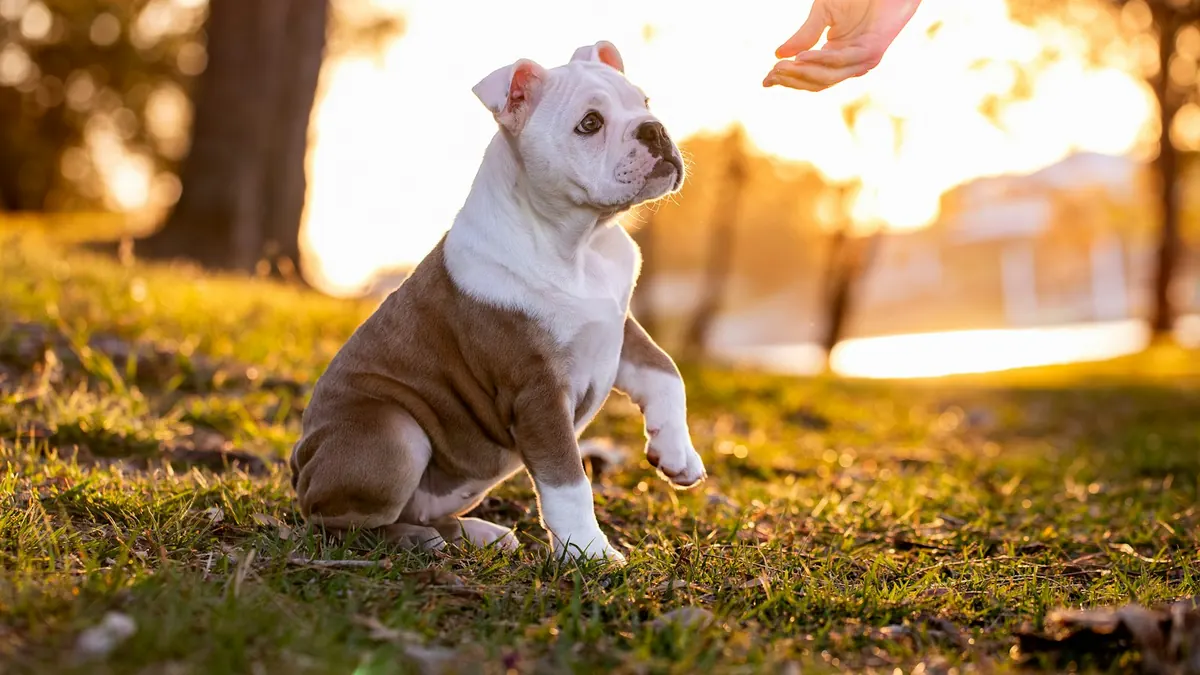
The best age to start training a puppy is the week it comes home, which for most puppies is around 8 weeks old. You will not be teaching long stays at that age; you will be building a toilet routine, teaching a few simple cues with food rewards and giving your puppy safe, positive experiences during the socialisation window that closes at around three months. This guide walks through what to work on at each age, from 8 weeks to adulthood, for puppy owners in Trivandrum (Thiruvananthapuram). It also explains the 3-3-3 rule people ask about when they adopt a rescue, and how to keep training sessions short and safe in Kerala's heat and monsoon. Every method here is reward-based, which is what veterinary behaviour bodies recommend for all dog training.
Neolokam packages & prices
Advertised rate + 18% GST. Your final rate is confirmed on WhatsApp before you book.
The short answer: start at 8 weeks, keep it short
The American Kennel Club says puppies can begin simple training as soon as they come home, usually at around 8 weeks, with sessions of five to ten minutes. The American Veterinary Society of Animal Behavior (AVSAB) calls the first three months of life the primary and most important time for socialisation, the period when sociability outweighs fear.
So the real question is not when to start, but what to work on first. At 8 weeks that means three things:
- •A toilet routine, starting on day one.
- •A few easy cues taught with food: name, sit and come.
- •Calm, safe introductions to the people, sounds, surfaces and handling your dog will meet for the rest of its life.
Formal obedience, long walks on lead and reliable recall in open spaces come later, built on top of these foundations.
Age-by-age puppy training plan
Puppies develop at different speeds, so treat these as rough stages rather than deadlines.
- •8 to 10 weeks: name recognition, a marker word such as ‘yes’ followed by a treat, sit, coming a few steps to you indoors, toilet routine, gentle handling of paws, ears and mouth, short rests in a crate or pen.
- •10 to 12 weeks: add down, wearing a collar or harness, short lead practice inside the house, settling on a mat, swapping a toy for a treat, and lots of new sights and sounds at a comfortable distance.
- •3 to 4 months: the socialisation window is closing, so keep exposure going. Practise recall in the house and a closed compound, loose-lead walking for a few metres, ‘leave it’ with low-value items, and being alone for short spells.
- •4 to 6 months: teething and growing confidence. Build duration on sit and down, add ‘wait’ at doors and the gate, and practise recall with mild distractions. Provide chew toys so the furniture is not the target.
- •6 to 12 months: adolescence. Many puppies seem to ‘forget’ cues they knew. This is normal. Go back a step, raise the value of rewards and keep practising in new places. Keep socialisation going with calm, vaccinated dogs.
- •12 to 18 months and beyond: reliability. Practise cues in busier settings, build longer stays, and keep using rewards, with treats gradually mixed with praise, play and life rewards like going out of the door.
- •Adult and senior dogs: it is never too late. An adopted adult can learn everything a puppy can; it just needs patience and more repetition if old habits are strong.
The socialisation window and what it means in Kerala
AVSAB states that incomplete socialisation in the first three months can increase the risk of fear, avoidance and aggression later in life. It says behaviour problems, not infectious disease, are the number one cause of death for dogs under three years of age, and the number one reason dogs are surrendered to shelters. That is why it recommends safe socialisation even before vaccinations are complete.
Socialisation does not mean throwing a puppy into busy places. It means short, positive meetings with new things, with a treat, and the freedom to retreat. Useful Trivandrum experiences include:
- •Two-wheeler and auto-rickshaw sounds from a doorway or balcony.
- •Heavy rain on a sheet roof, thunder and the sound of a mixer grinder or pressure cooker.
- •Festival sounds such as crackers and temple drums, played at low volume first and paired with food.
- •Visitors of different ages, including children who sit on the floor and let the puppy come to them.
- •Being carried past gates, shops and other dogs before your vet says walks are safe.
- •Car rides, the vet's waiting area, the bathroom floor, wet grass and laterite paths.
- •Calm, healthy, vaccinated adult dogs you know.
Keep your puppy away from places used by many unknown or free-roaming dogs until your vet says it is protected. If your puppy freezes, hides or trembles, you have gone too far, too fast. Increase the distance and try again another day.
What to teach first: a screenshot-friendly checklist
If you only do a few things in the first month, do these:
- •Marker word: say ‘yes’ and give a treat the instant your puppy does something right.
- •Name: say the name once; reward when your puppy looks at you.
- •Sit: lure with a treat above the nose, mark and reward.
- •Come: say your recall word happily from a few steps away, reward with something special. Never call your puppy to something unpleasant.
- •Toilet routine: take your puppy out after sleep, meals and play, and reward right after it goes.
- •Handling: touch paws, ears and mouth for a second, then treat. This makes vet visits, tick checks and grooming easier.
- •Settle: reward your puppy for lying calmly on a mat.
- •Crate or pen comfort: feed meals there and leave chew toys so it becomes a safe resting place.
- •Alone time: a few minutes behind a gate with a chew, building up slowly.
- •Swap: trade a treat for whatever is in the mouth instead of chasing your puppy.
Short, reward-based sessions that work in Kerala heat
AVSAB's position on humane training is that reward-based methods should be used for all dog training, and that aversive methods relying on force, pain or fear should not be used. The RSPCA also says all training should be reward based, and that sessions should be short, regular and end on something your dog knows.
Kerala adds its own constraints. Heat and humidity tire a puppy quickly, and young dogs do not always know when to stop.
- •Train in the early morning, after sunset or indoors under a fan.
- •Keep water nearby and offer it between repetitions.
- •Use small, soft treats or pieces of your puppy's own food, so you can do many repetitions without upsetting the stomach.
- •Check the ground with the back of your hand before training on a road or tiled terrace.
- •Stop if your puppy is panting heavily, drooling a lot, slowing down or lying down on cool floors. The RSPCA lists heavy panting, drooling, lethargy and collapse among heatstroke signs; if you see these, move to shade, offer water and go to a vet now if your puppy does not recover quickly.
- •On monsoon days, swap walks for indoor games: find-the-treat, name games, sit-and-wait for meals and short recall games down a corridor.
The 3-3-3 rule for rescue dogs, explained honestly
People searching for ‘the 3-3-3 rule for dog training’ usually mean the adoption rule of thumb used by rescue groups:
- •3 days: decompression. A newly adopted dog may not eat much, may hide, sleep a lot or seem unusually quiet. Give a quiet resting spot, keep visitors to a minimum and do not push affection.
- •3 weeks: learning the routine. The dog starts to understand meal times, walks and house rules, and its personality begins to show. This is a good time to start short, gentle training sessions.
- •3 months: feeling at home. Trust is building, and the dog's real temperament is clearer.
It is a useful way to set expectations, not a scientific timetable. Some dogs settle in days; fearful dogs, or dogs that lived on the street for years, may take six months to a year. New behaviours can also appear as the dog relaxes, including toilet accidents from a dog that seemed house trained. Treat the first weeks as a fresh start and train as you would a puppy, at the dog's pace.
When to ask for professional help
Most puppy behaviour, including mouthing, chewing and zoomies, is normal and improves with routine and rewards. Get help early if you see:
- •Growling, snapping or stiffening when handled, or guarding food, toys or resting spots.
- •Fear that is not improving: hiding, trembling or refusing to walk.
- •Biting that breaks skin, or mouthing that is getting harder rather than softer by 4 to 5 months.
- •Distress when left alone, such as constant crying, destruction or toileting only when alone.
The RSPCA advises seeing your vet first, because pain or illness can cause behaviour changes, and then choosing a qualified professional who uses up-to-date methods. Look for a trainer who uses rewards, explains the plan and lets you watch. Neolokam's puppy training uses positive reinforcement on its farm east of Trivandrum city towards Kattakada; ask the team which programme fits your puppy's age.
Common questions
Which age is best for dog training?
The best time to start is the week your puppy comes home, usually around 8 weeks old. Young puppies learn simple cues, toilet routines and handling quickly when sessions are five to ten minutes long and use food rewards. The first three months of life are also the main socialisation window, so early, gentle experiences matter as much as cues like sit or come.
What is the 3-3-3 rule for dog training?
The 3-3-3 rule is a rule of thumb from rescue groups about how an adopted dog settles: roughly 3 days to decompress, 3 weeks to learn the household routine and 3 months to feel at home. It is not a scientific timetable or a training method. Some dogs settle faster and some, especially fearful rescues, take six months or more, so go at your own dog's pace.
Is it too late to train a one-year-old or adult dog?
No. Adult dogs learn new behaviours throughout life; they simply need more repetition if an old habit is well practised. Start with the same basics you would teach a puppy, use rewards your dog really values and keep sessions short. If the issue is fear, growling or biting, have your vet check for pain first, then work with a reward-based trainer.
How long should a puppy training session be?
Keep sessions to about five to ten minutes, and do two to four of them spread across the day rather than one long lesson. Stop while your puppy is still keen. In Kerala heat, train in the early morning, the evening or indoors under a fan, keep water nearby and end the session if your puppy is panting heavily or loses interest.
Can my puppy start classes before all vaccinations are finished?
Veterinary behaviourists say yes, with precautions. The American Veterinary Society of Animal Behavior says puppies can start socialisation classes as early as 7 to 8 weeks, provided they have had at least one set of vaccines seven days before the first class and a first deworming. Ask your own vet before enrolling, and avoid areas used by unknown dogs.
Bottom Line
Start training the week your puppy comes home, keep sessions to five to ten minutes, and spend the first three months on safe, happy socialisation as much as on cues. Reward what you like, manage what you do not, and expect a wobble in adolescence. If you have adopted an older dog, use the 3-3-3 rule as a rough guide, not a deadline. For help with a young dog in Trivandrum, contact Neolokam on +91 77363 90719 to ask about puppy training.
Related
Ready to Book?
Call or WhatsApp Neolokam Trivandrum. No automated replies — you speak to a real person.