
Walking a Leash-Reactive Dog in Kerala: Thresholds, Routes, U-Turns and Calm Training That Works
November 2026 — Neolokam, Trivandrum
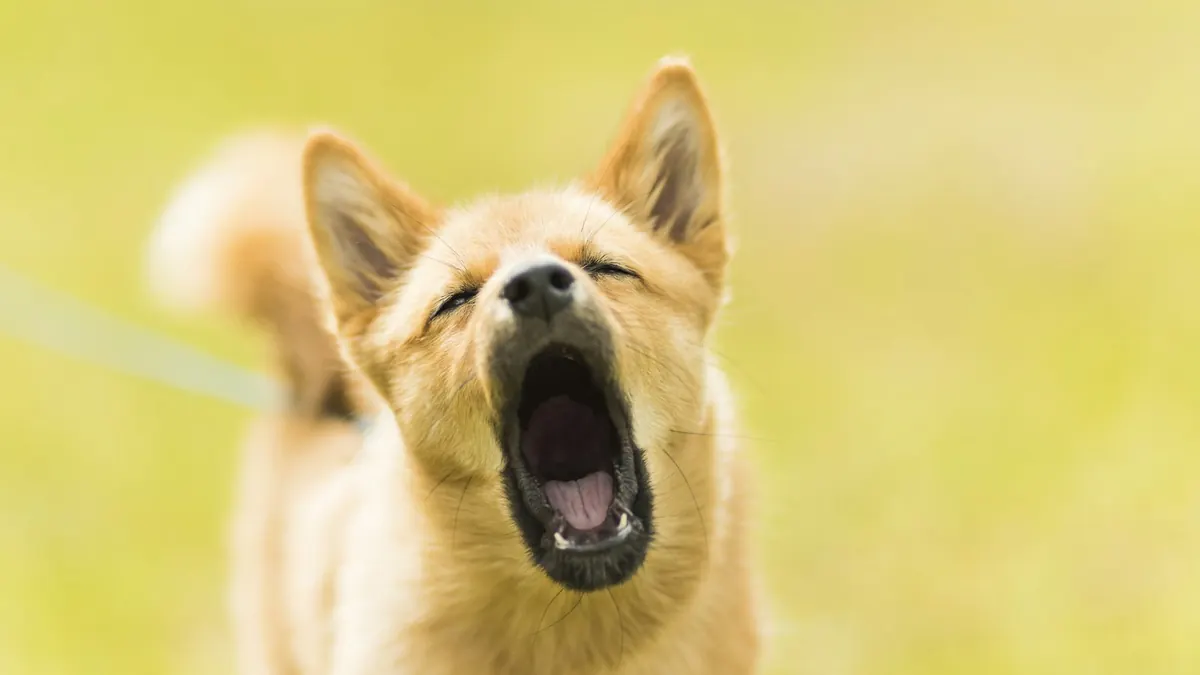
To walk a leash-reactive dog more calmly, keep it far enough from triggers that it can still notice them without barking or lunging, choose quieter routes and times, teach a cheerful U-turn before you need it, and pair every sighting of a trigger with something your dog loves. Punishment makes reactivity worse; distance, patience and rewards make it better. Leash reactivity means a dog barks, lunges, growls or spins at other dogs, people, bikes or vehicles while on the lead. It is common, and in Trivandrum (Thiruvananthapuram) and the rest of Kerala it is made harder by narrow lanes, constant two-wheeler traffic and free-roaming community dogs on almost every street. This guide gives you a humane, step-by-step walk plan based on advice from AVSAB, Dogs Trust and Cornell's veterinary college, and tells you when to bring in a professional.
Neolokam packages & prices
Advertised rate + 18% GST. Your final rate is confirmed on WhatsApp before you book.
What leash reactivity is, and what it is not
Reactivity is a strong emotional response to a trigger. Dogs Trust lists the usual drivers as fear, frustration, over-arousal and pain or illness. A frightened dog barks and lunges to make the scary thing go away; because the trigger usually does move on, the dog learns that the outburst works. A frustrated dog wants to greet and cannot, so the energy boils over on the lead.
Cornell University's Riney Canine Health Center notes that some dogs are fine with other dogs off lead but become reactive on a lead, and that reactive dogs are not necessarily aggressive. Reactivity can escalate into aggression, though, if a dog's warnings are ignored and it feels trapped. That is why the plan below focuses on giving your dog space and choices.
Common triggers in Trivandrum include:
- •Other pet dogs, and free-roaming dogs defending their street.
- •Scooters, motorbikes and autorickshaws, especially when they pass close or hoot.
- •Joggers, cyclists, people carrying umbrellas or bags, and children running.
- •Cows, goats and cats in rural lanes.
- •Sudden noises such as crackers, horns and loudspeakers.
Why walks in Kerala are harder for reactive dogs
Many reactive-dog guides assume wide pavements and parks. Kerala walks rarely look like that. Lanes are often walled on both sides, so you cannot step far away from an approaching dog. Two-wheelers come round blind corners. Community dogs have their own resting spots near eateries, stalls and bus stops, and they may bark at your dog as it passes.
Every one of these is a small stressor. Dogs Trust notes that stress hormones can take 48 to 72 hours to settle after a big reaction, during which your dog may react more easily to the next trigger. Several small stressors in one walk can stack up into a big outburst. Planning your walk to avoid that stacking is the first and most powerful step. Our guide to walking safely around stray dogs in Trivandrum covers routes, body language and what to do if a group approaches.
Find your dog's threshold
Your dog's threshold is the distance at which it can see a trigger and still think. Below threshold, it can look, sniff the ground, take a treat and respond to its name. Over threshold, it stops eating, stares, stiffens and erupts. All useful learning happens below threshold.
Watch for the early signs Dogs Trust lists, so you can act before the outburst:
- •Lip licking, yawning, ears pulled back, turning the head away.
- •Stiffening, freezing, a hard stare, tail held high and rigid or tucked.
- •Refusing a treat it would normally grab, or snatching food roughly.
- •Panting when it is not hot, pulling towards or away from the trigger.
Note the distance at which your dog shows these signs for each trigger. A dog might cope with a parked scooter at 5 metres, a walking person at 10 metres and another dog only at 30 metres. That distance is your working zone, and it will shrink slowly as your dog learns.
Routes and timing: a checklist to screenshot
- •Scout routes without your dog first, at the times you plan to walk. Note where community dogs rest, where school buses stop and where people gather.
- •Choose roads with long sightlines, space to cross over and more than one exit. Avoid narrow walled lanes and dead ends.
- •Walk at the quietest time your area has. For many homes that is early morning, which also helps with Kerala's heat, but check your own street.
- •Steer clear of food points such as fish stalls, eatery back lanes and waste heaps, where free-roaming dogs gather.
- •Keep walks short and successful. Ten calm minutes are worth more than forty minutes of repeated outbursts.
- •Plan rest days after a hard walk: sniffing games, a chew and quiet time at home.
- •Use visual barriers. Stepping behind a parked car, a gate or a wall can stop a reaction before it starts.
- •If one corner is always a problem, change your route rather than testing it every day.
Teach an emergency U-turn before you need it
The U-turn is your most useful tool, because it gets you out of trouble in two seconds without dragging your dog. Teach it at home where nothing is happening:
- •Walk your dog on lead in the house or compound.
- •Say a cheerful cue such as "this way" in a light voice, turn around and walk briskly in the other direction.
- •As your dog follows, drop a high-value treat at your heel, or let it chase a treat you toss ahead.
- •Repeat 10 to 15 times a session for a few days, until your dog swings round the moment it hears the cue.
- •Practise on quiet roads with no triggers, then on your normal route.
Use it the moment you see a trigger that is too close or too sudden. Keep the lead loose, keep moving and do not stop to scold. Dogs Trust notes that staying calm and moving away usually works better than freezing on the spot.
Management tools that keep everyone safe
- •A fixed lead about 1.5 to 2 metres long. Retractable leads give little control when you need to bring your dog close quickly.
- •A well-fitted Y-shaped harness. Dogs Trust suggests one with front and back clips, used with a double-ended lead, for extra control without pressure on the neck.
- •A basket muzzle, introduced slowly with treats, if there is any risk of a bite. It allows panting and drinking, which matters in Kerala's heat, and tells other people to give you space. Our muzzle training guide has the steps.
- •An ID tag on a properly fitted collar, in case your dog slips its harness.
- •A treat pouch with small, soft, high-value food such as boiled chicken pieces.
- •A clear phrase for people who want to approach: "Please give us space, she's in training."
Do not use prong, choke or shock collars, or jerk the lead. AVSAB's 2021 position statement says aversive tools carry a well-documented risk of increased fear-related aggression and anxiety, and that there is no evidence they are needed for behaviour change.
Counter-conditioning basics: make triggers predict good things
Counter-conditioning changes how your dog feels about a trigger by pairing it with something wonderful. Desensitisation means starting far enough away that your dog stays calm, and closing the distance very gradually. Cornell's advice describes exactly this: start at a safe distance, reward as the trigger appears, and only bring the trigger closer once your dog stays calm and focused.
- •The moment your dog notices a trigger at a comfortable distance, mark it with a word like "yes" and give a treat.
- •Keep feeding while the trigger is visible. When it disappears, the treats stop.
- •Repeat until your dog sees a trigger and looks back at you for its treat. That glance is the sign the feeling is changing.
- •Only then reduce the distance a little, over days and weeks, not minutes.
- •If your dog stops taking food, you are too close. Calmly add distance and finish the session.
Dogs Trust's "Find It" game also helps: teach your dog at home to sniff out treats scattered on the floor when you say "find it", then use it on walks to redirect its nose downwards while a trigger passes at a distance.
A patient helper with a calm dog, or a friend riding a scooter slowly past at a set distance, lets you practise in a controlled way. A trainer can organise these set-ups for you.
What makes reactivity worse
- •Shouting, leash jerks, hitting or alpha rolls. They add fear and can teach your dog that triggers bring pain.
- •Punishing a growl. It removes the warning, not the feeling, and can lead to a bite with no warning.
- •Forcing greetings or walking straight through a group of dogs to "get used to it". AVSAB calls this flooding and advises against it.
- •A tight lead held short all the time, which signals tension to your dog.
- •Walking several dogs together if one is reactive. Dogs Trust suggests walking them separately while you train.
- •Long walks packed with triggers on days your dog is already wound up.
When to get professional help
See your vet first if reactivity started suddenly, got worse quickly or comes with other changes such as stiffness, limping, reluctance to jump, or a change in appetite. A review led by Daniel Mills in the journal Animals (2020) found that pain is a common and under-recognised factor in problem behaviour, and recommends treating suspected pain early rather than as a last resort. Take a few short videos of the reactions and a diary to the appointment.
Then bring in a reward-based trainer or qualified behaviour professional, straight away if:
- •Your dog has bitten, or made contact with, another dog or a person.
- •You cannot physically hold your dog when it lunges.
- •The reactions are getting more frequent or more intense.
- •There are children or elderly people walking the dog.
A good professional will ask about your routes, triggers and daily routine, show you the training in person and set realistic goals. Our guide to questions to ask about reactive dog training will help you choose. Neolokam's training team can talk through your dog's situation on +91 77363 90719. Neolokam's farm is a cage-free group environment, so for boarding every dog has a visit and temperament assessment first, and reactive dogs may not be accepted during busy periods. Mention any reactivity when you enquire, and the team will tell you honestly what may suit your dog.
Common questions
Why is my dog reactive on the lead but fine off lead?
On a lead your dog cannot choose to move away from something worrying or towards something exciting. Dogs Trust explains that a fearful dog loses its escape option, while a frustrated greeter cannot reach the other dog, and both can tip into barking and lunging. A tight lead adds pressure that can make the approaching trigger feel even worse, so keep the lead loose and add distance early.
Can a leash-reactive dog be cured?
Many reactive dogs become much calmer on walks, but there is no honest guarantee. The aim is to change how your dog feels about triggers, not to suppress the barking. Dogs Trust notes that some dogs progress a great deal while others need ongoing management. Progress depends on the trigger, how long the behaviour has been practised and how consistently you keep your dog under threshold.
Should I correct my dog when it lunges?
No. AVSAB advises against leash jerks, physical corrections, prong, choke and shock collars, because aversive methods are linked to more fear and aggression and do not change the underlying emotion. Punishing a growl or bark can also remove the warning before a bite. Instead, calmly increase distance, then reward your dog once it can look at you or sniff the ground again.
How do I walk a reactive dog where there are stray dogs?
Learn where local free-roaming dogs rest and feed, and route around those spots. Walk at quieter times on roads with space to cross over, keep a fixed lead about 1.5 to 2 metres long and teach an emergency U-turn at home first. Use parked cars or gates as visual barriers. If a group approaches, stop, stay calm, keep your dog behind you and back away slowly.
When should I get professional help for a reactive dog?
Get help early, and straight away if your dog has bitten or made contact with a dog or person, if reactivity is getting worse, or if you cannot hold your dog safely. See your vet first, because pain can drive reactivity, especially if it started suddenly. Then work with a reward-based trainer or qualified behaviour professional who builds a written plan around your routes and triggers.
Bottom Line
A leash-reactive dog is not a bad dog; it is a dog struggling with something on its walk. Give it distance, plan quieter routes and times, teach a U-turn at home, and make every trigger predict a treat. Avoid punishment and forced greetings, plan rest days, and check for pain with your vet if the reactions are new or getting worse. If there has been a bite or near miss, bring in a qualified, reward-based professional now rather than later.
Related
Ready to Book?
Call or WhatsApp Neolokam Trivandrum. No automated replies — you speak to a real person.
More guides for dog owners
- Dog Training in Trivandrum — 2026 Guide to Behaviour & SocialisationA practical guide to dog training in Trivandrum — what behaviour issues are most common, what training methods actually work, and why farm-based socialisation training outperforms urban obedience classes.
- How to Choose a Dog Trainer in Trivandrum: Training Types, 12 Questions to Ask and the Red FlagsA buyer's guide to dog training near you in Trivandrum: puppy classes, obedience, behaviour work, board-and-train and home sessions, the questions to ask any trainer, red flags, and how long results really take.
- Muzzle Training Your Dog: A Kind, Step-by-Step Guide to Basket Muzzles, Fit and Everyday UseHow to teach your dog to enjoy wearing a basket muzzle, step by step over days and weeks: choosing and fitting the right muzzle for Kerala's heat, when muzzles help, and the safety rules that matter.
- Potty Training a Puppy in a Flat or House in Trivandrum: Schedule, Pads, Lifts and Monsoon DaysA practical potty-training plan for puppies in Trivandrum flats and houses: how often to go out at each age, crates and pee pads, lift logistics, rainy days, accidents and realistic timelines.
- Puppy Socialisation Checklist for Kerala Homes: A Week-by-Week Plan From 8 to 16 WeeksA week-by-week puppy socialisation checklist built for Kerala homes, from rain on a sheet roof and festival crackers to autorickshaws and laterite paths, balanced safely with your puppy's vaccinations.
- When to Start Puppy Training: An Age-by-Age Guide From 8 Weeks to Adult DogsThe best age to start training is the day your puppy comes home. This guide covers what to teach from 8 weeks to adulthood, the socialisation window, the 3-3-3 rule for rescues and short sessions in Kerala heat.