
Walking Your Dog Safely Around Stray Dogs in Trivandrum: Routes, Warning Signs and What to Do After a Bite
November 2026 — Neolokam, Trivandrum
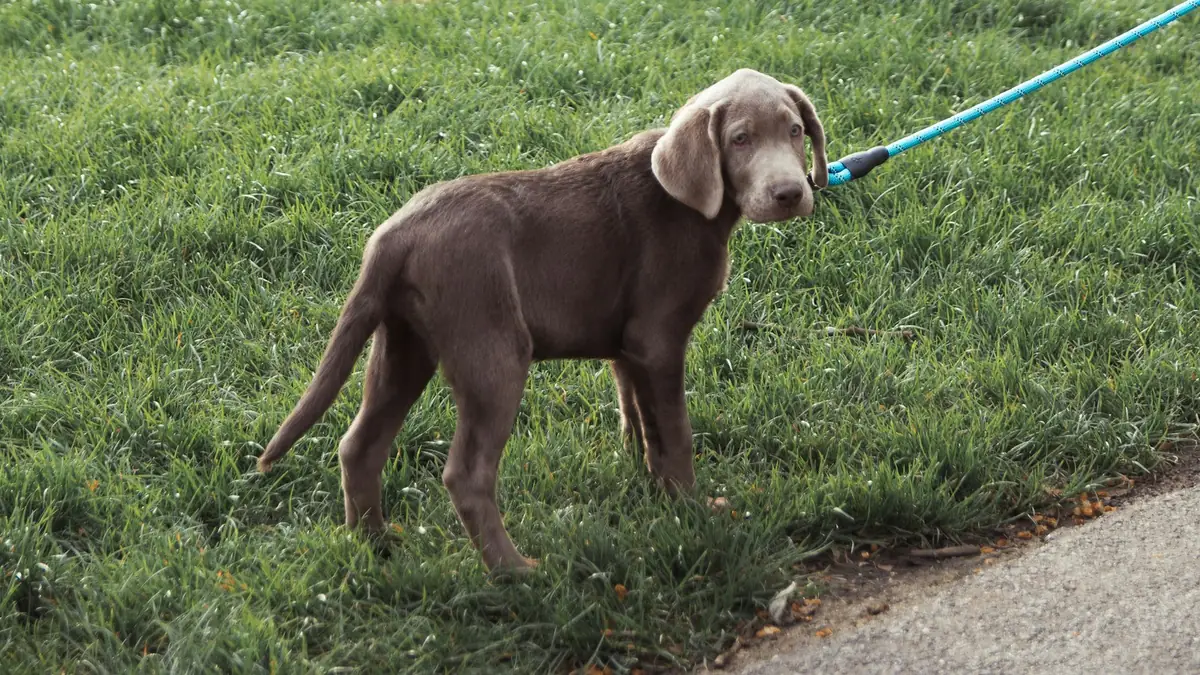
To walk your dog safely where free-roaming dogs are common, choose quieter, well-lit routes and regular times, keep your dog on a short lead, give resting dogs and food spots a wide berth, and if dogs approach, stop, stay calm and back away slowly without running. Know what to do after a bite before you need to: wash the wound for at least 15 minutes and see a doctor or vet the same day. Free-roaming community dogs are part of daily life in Trivandrum (Thiruvananthapuram) and across Kerala; a 2019 livestock census estimate cited by the World Organisation for Animal Health counted 289,986 stray dogs in the state. Most never cause trouble, but many are territorial, and a pet dog walking through their street can trigger a confrontation. This guide is a calm, humane plan for routes, body language, approaches, small dogs and puppies, bites, reporting, and supporting the ABC programmes that reduce conflict over time.
Neolokam packages & prices
Advertised rate + 18% GST. Your final rate is confirmed on WhatsApp before you book.
Why free-roaming dogs react to your dog
Community dogs usually live in small groups around reliable food and shelter: eateries, fish and meat stalls, waste points, bus stands and construction sites. To them, your dog is a stranger entering their territory. The AVMA lists the common reasons any dog bites: defending itself or its territory, being scared or startled, sensing a threat, guarding food or puppies, and being unwell or in pain.
Understanding this changes how you walk. The aim is not to win an encounter but to avoid one, and to defuse it calmly when you cannot.
Choosing routes and times
- •Learn your neighbourhood. Walk the same route at similar times for a week and note where groups of dogs rest and feed.
- •Avoid food points: fish and meat stalls, eatery back lanes, waste heaps and bus stands.
- •Choose well-lit roads with space to cross over, rather than narrow lanes with walls on both sides.
- •Give a wide berth to any dog with puppies; the AVMA warns never to disturb a dog caring for puppies, eating or sleeping.
- •In the hot months, walk early in the morning and after sunset anyway for heat safety, but stay on lit, familiar stretches.
- •If a particular corner is a problem, change the route rather than testing it every day.
Use a fixed-length lead of about 1.5 to 2 metres and a well-fitted harness or collar. A retractable lead gives you very little control when you need to reel your dog in quickly.
Reading a dog's body language
The AVMA describes how a dog's signals escalate before it bites. Watch both the free-roaming dog and your own:
- •Early worry: yawning, ears pulled back, raising a paw, looking or turning away.
- •Rising concern: tail tucked under the belly, lying down with a leg raised, body stiffening and a hard stare.
- •Last warnings: growling and snapping, which mean the dog wants you to leave right now.
A wagging tail does not always mean friendly; in some dogs it signals nervousness. A dog that walks or turns away is asking for space, so give it. A dog that is stiff, staring and approaching directly is the one to avoid, calmly and without running.
If free-roaming dogs approach you
A checklist worth screenshotting, based on AVMA advice:
- •Stop and stay calm. Do not scream or yell; if you speak, speak calmly and firmly.
- •Do not run. Dogs naturally chase moving things.
- •Avoid direct eye contact and stand side-on rather than facing the dog head-on.
- •Shorten the lead and bring your dog behind you or to your side, so you are between it and the approaching dogs.
- •Do not let the dogs greet nose to nose.
- •Back away slowly until the dogs are out of sight, or wait still until they lose interest.
- •If you are knocked down, curl into a ball and protect your head and neck with your hands.
Most approaches end with the free-roaming dogs barking and returning to their spot once you leave their space.
Humane barriers: water and an umbrella
Carry water for your own dog, especially in Kerala's heat, and consider a compact umbrella. Opening an umbrella between you and an approaching dog creates a sudden visual barrier that can stop it in its tracks and gives you time to back away. Use it as a shield, never to strike.
Do not kick, hit, throw stones, carry sticks to beat dogs, or use chemical sprays. Apart from making the dog more likely to bite, cruelty to animals is an offence under the Prevention of Cruelty to Animals Act, 1960, under which the ABC Rules are made. The goal is distance, not harm.
Small dogs and puppies
Small dogs and puppies are most at risk, because a larger dog can injure them quickly.
- •Puppies should walk on public streets only after your vet says the vaccination course is complete. Until then, carry them, or use a quiet, clean compound for toilet trips.
- •With a small dog, some owners pick it up when dogs approach. This can help, but larger dogs may jump up, so turn side-on, keep your face away and stay still rather than running.
- •Walk small dogs on quieter roads, and avoid times when local groups are most active on your route.
- •Keep every dog's rabies vaccination up to date and the card handy. Your dog's licence from the local body needs that record too.
If your dog is bitten
- •Get your dog and yourself away to a safe place first. Do not grab fighting dogs by the head or collar; you are likely to be bitten.
- •Check your dog for wounds, especially punctures hidden under fur on the neck, chest, legs and belly.
- •Go to a vet the same day, even if the wound looks small. Punctures can be deeper than they look and can become infected.
- •Bring the vaccination card. Your vet will advise on wound care and on a rabies booster based on your dog's vaccination history.
- •Watch your dog closely over the following weeks and follow your vet's instructions.
- •Note where and when it happened, and a description of the biting dog, and report it to your local body.
If your dog is bleeding heavily, struggling to breathe or in shock, go to a vet now.
If a person is bitten or scratched
Rabies is almost always fatal once symptoms start, but it is preventable with prompt care. According to the World Health Organization's rabies fact sheet, updated September 2026, dogs are responsible for up to 99% of human rabies cases.
The WHO's first-aid steps:
- •Wash the wound immediately with soap and water for at least 15 minutes.
- •Then seek medical care for post-exposure prophylaxis. See a doctor the same day.
The WHO classifies minor scratches or abrasions without bleeding as needing immediate vaccination, and bites or scratches that break the skin as needing vaccination plus rabies immunoglobulin or monoclonal antibodies. A doctor decides what is needed; do not wait to see whether the dog becomes ill. If it was your own dog that bit someone, the AVMA advises restraining your dog, making sure the wound is washed, urging the person to see a doctor, and giving them your contact details and your dog's rabies vaccination record.
Reporting to your local body
As of November 2026, the Thiruvananthapuram Corporation's Smart Trivandrum stray dog page lists a 24x7 help desk on 9496434488 for reporting a stray dog, an aggressive animal or a dog bite, along with reporting through the Smart Trivandrum app and a Report a Stray Dog form on the portal. It asks for the ward and a nearby landmark, and complaints go to the nearest ABC catch team.
The same page says the corporation runs ABC-ARV centres at Vandithadam and Pettah, and reports 906 dogs sterilised from January to June 2026. Outside the corporation area, contact your panchayat or municipality office. Numbers and services change, so check the corporation's page before you call.
Supporting humane ABC programmes
Under the Animal Birth Control Rules, 2023, notified by the Central Government in March 2023, sterilisation and anti-rabies vaccination of free-roaming dogs are carried out by local bodies through organisations recognised by the Animal Welfare Board of India, and dogs are returned to the area they came from. The government's release notes that the Supreme Court has said relocation of dogs cannot be permitted. In Trivandrum, the corporation says sterilised dogs are ear-notched and released at the point where they were caught.
The WHO says mass vaccination of dogs is the most cost-effective way to prevent human rabies, and that culling free-roaming dogs does not work. Practical ways to help:
- •Report unsterilised dogs, new litters and aggressive dogs to your local body.
- •Treat ear-notched dogs as sterilised and vaccinated, and leave them be.
- •Support local vaccination drives and responsible feeding away from homes, schools and walking routes, agreed with your neighbours.
Train your own dog for calmer walks
The calmer your dog, the fewer confrontations you will have. Useful skills include loose-lead walking, a reliable look-at-me cue, an emergency U-turn, and a settle while other dogs pass at a distance. Reward-based training builds these without making your dog more anxious. If your dog lunges, barks or freezes at other dogs, work on it with a trainer before it becomes a habit.
Common questions
How do I protect my dog from street dogs while walking?
Walk well-lit, quieter routes at the same times each day, keep your dog on a short lead and away from food waste, markets and resting packs. If dogs approach, stop, stay calm, avoid eye contact and put yourself between your dog and them, then back away slowly. Never run. An opened umbrella can serve as a visual barrier, never as a weapon.
What should I do if a stray dog bites my dog?
Get both of you to safety, then take your dog to a vet the same day, even if the wound looks small, because punctures can be deeper than they appear. Bring the vaccination card. Your vet will treat the wound and advise on a rabies booster based on your dog's history. Report the biting dog to your local body so it can be traced.
What should I do if a stray dog bites or scratches me?
The WHO advises washing the wound immediately with soap and water for at least 15 minutes, then getting medical care for rabies post-exposure prophylaxis. See a doctor the same day; do not wait to see whether the dog becomes ill. Bites or scratches that break the skin usually need a vaccine course and sometimes immunoglobulin, which a doctor decides.
How do I complain about stray dogs in Trivandrum?
Within the corporation area, the Thiruvananthapuram Corporation's Smart Trivandrum stray dog page lists a 24x7 help desk on 9496434488 for stray dogs, aggressive animals and dog bites, plus reporting through the Smart Trivandrum app or portal, as of November 2026. Give the ward and a nearby landmark. Outside the corporation, contact your panchayat or municipality office.
Can stray dogs be relocated from my area?
No. Under the Animal Birth Control Rules, 2023, local bodies sterilise and vaccinate free-roaming dogs and return them to the same area, and the government has noted that the Supreme Court has said relocation cannot be permitted. The humane route is to report unsterilised dogs, aggressive behaviour and bites to your local body so its ABC team can act.
Bottom Line
Free-roaming dogs are part of life in Trivandrum, and most walks pass without trouble when you choose your route, keep your dog close, read the signals and never run. If something does go wrong, wash any human bite for 15 minutes and see a doctor the same day, take a bitten dog to the vet the same day, and report the incident to your local body. For help with loose-lead walking or reactivity, talk to Neolokam's training team on +91 77363 90719.
Related
Sources
- World Health Organization: Rabies fact sheet (updated September 2026)
- Press Information Bureau: Animal Birth Control Rules, 2023 notified by Central Government
- Thiruvananthapuram Corporation, Smart Trivandrum: Stray dog monitoring and help desk
- AVMA: Preventing dog bites
- WOAH Asia and the Pacific: India, the state of Kerala's anti-rabies campaign (September 2024)
Ready to Book?
Call or WhatsApp Neolokam Trivandrum. No automated replies — you speak to a real person.