
Potty Training a Puppy in a Flat or House in Trivandrum: Schedule, Pads, Lifts and Monsoon Days
November 2026 — Neolokam, Trivandrum
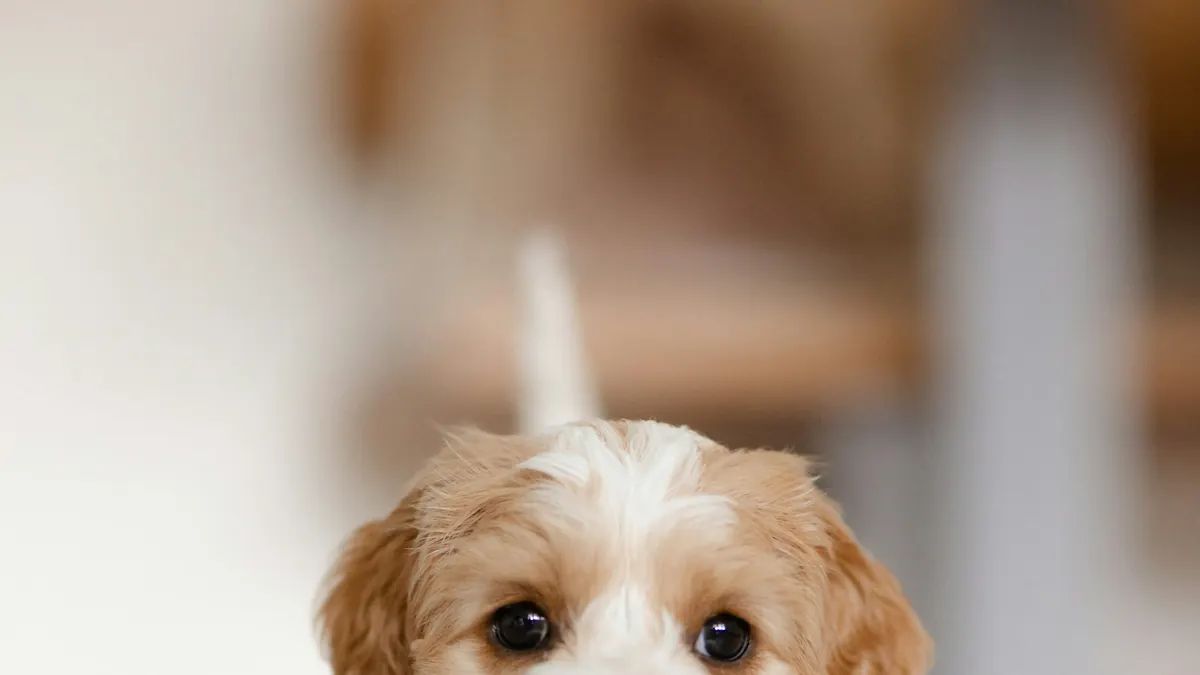
To potty train a puppy in a flat or house, take it to one chosen toilet spot every one to two hours while it is awake and straight after every sleep, meal and play session, reward it the moment it finishes, and confine it to a crate or small pen when you cannot watch it. Never punish accidents; clean them with an enzyme cleaner and go out more often. That is the whole method. The hard part in Trivandrum (Thiruvananthapuram) is the logistics: lifts and stairwells in apartment blocks, shared compounds used by other dogs, heat, and months of monsoon rain. This guide gives a schedule by age, the pros and cons of crates and pee pads, a lift plan, rainy-day and night-time routines, and realistic timelines.
Neolokam packages & prices
Advertised rate + 18% GST. Your final rate is confirmed on WhatsApp before you book.
How long a puppy can hold it: a schedule by age
The American Kennel Club says puppies can generally hold their bladder for about as many hours as their age in months, up to roughly nine months to a year, and that many puppies need more frequent trips. Most puppies come home at around 8 weeks, when bladder control is weakest. The PDSA recommends going out every two to three hours during the day; the AKC suggests every one to two hours while a young puppy is awake. Start with the shorter gap and stretch it as your puppy succeeds.
- •8 to 10 weeks: every 1 hour while awake, plus after every nap, meal, drink and play. One or two trips at night.
- •10 to 12 weeks: every 1 to 2 hours while awake. Usually one trip at night.
- •3 to 4 months: every 2 to 3 hours. Many puppies start sleeping through.
- •4 to 6 months: every 3 to 4 hours, plus the usual after-meal and after-play trips.
- •6 months and older: gradually longer gaps, but never longer than your own puppy can manage without accidents.
These are starting points, not targets. Small breeds often need more frequent trips than large ones.
A sample day for a 10-week-old puppy in a flat
Copy this and adjust the times to your household:
- •6:00 AM: carry the puppy straight from the crate to the toilet spot. Reward. Breakfast. Out again 10 to 20 minutes later.
- •6:30 to 9:00 AM: play, short training, nap. Out after every nap and every play session.
- •Every hour while awake: a quick trip to the toilet spot, even if nothing happens.
- •Midday: lunch, then out. Long nap in the crate or pen.
- •Afternoon: out after the nap; another short training game indoors under a fan.
- •6:00 PM: dinner, then out. Evening play, then out again.
- •10:30 PM: last trip before bed. Crate or pen beside your bed.
- •Night: if your puppy wakes and cries, carry it to the spot, wait quietly, reward and return to bed with no play.
Feeding several smaller meals at regular times, as the AKC suggests, makes toilet times more predictable. Keep fresh water available; in Kerala's heat, do not restrict water without your vet's advice.
Choose one toilet spot that works for your building
Puppies learn faster when the spot is always the same and smells familiar. Pick one before your puppy arrives.
- •Independent house with a compound: a quiet corner of the yard or a patch of grass, away from where your puppy plays and eats.
- •Flat on a lower floor: a spot in the building compound, if the association allows it and other dogs do not use it heavily.
- •High-rise flat: a pee pad or grass tray on a covered balcony or in a utility area, with the plan of moving outdoors later.
Until your vet confirms your puppy's vaccinations are protecting it, avoid toilet areas used by many unknown or free-roaming dogs. The AKC notes that some owners use pads during this period for exactly that reason. Clean up straight away in shared spaces and carry bags every time; good relations with neighbours and the association matter for the next ten years.
Crate or pen: pros and cons
Dogs generally avoid soiling where they sleep, which is why a crate or small pen helps toilet training. AVSAB notes that puppies used to crates are also less stressed if they later need to be confined at the vet or for travel.
Pros:
- •Prevents accidents and chewing when you cannot supervise.
- •Gives your puppy a safe resting place.
- •Makes night-time trips predictable because you hear your puppy wake.
Cons and cautions:
- •A crate that is too big lets a puppy toilet in one corner and sleep in the other. The AKC says it should be just big enough to stand, turn around and lie down; use a divider as your puppy grows.
- •Too long in a crate leads to accidents and distress. Match crate time to the holding times above.
- •Never use the crate as punishment.
- •In hot weather, place it in a shaded, well-ventilated spot under a fan, never in direct sun or beside a window that heats up.
A playpen with a bed at one end and a pad at the other is a good middle path for flats and for owners who work from home.
Pee pads: when they help and how to wean off them
The American Kennel Club describes pads as useful for very young puppies, apartment dwellers and puppies waiting to finish vaccinations. They are not needed for every puppy, and the common problem is that a puppy may treat rugs, doormats and towels as the same thing.
If you use pads:
- •Keep the pad in one place and do not move it while your puppy is learning.
- •Keep it away from the bed and the food bowl.
- •Walk your puppy to the pad on a lead at the usual times, wait, and reward right after it goes.
- •Lift rugs and bath mats for a few weeks.
To move outdoors, the AKC suggests teaching a cue such as ‘go potty’ just before your puppy goes, moving the pad towards the door in small steps, and then taking it outside to the new spot. Some owners use a grass tray as a bridge, since the surface is closer to what the puppy will meet outdoors.
Lifts, stairs and gate logistics
In an apartment, the walk to the toilet spot is the weak point. A puppy that needs to go right after waking will not wait for a slow lift.
- •Keep a toilet kit by the door: lead, harness, poop bags, keys, treats and a towel.
- •Carry a young puppy to the spot for the first weeks, especially first thing in the morning and after naps. Puppies often squat the moment they are put down in a corridor or lift.
- •Leave a few minutes earlier than you think you need to, and take the stairs if the lift is busy.
- •Reward at the spot, not when you get back upstairs; the treat must come within a second or two of finishing.
- •Wipe paws with a damp cloth when you come back in.
- •In a house, check gate and compound wall gaps before letting a small puppy wander, and stay with it so you can reward on time.
Monsoon days and Kerala humidity
Many puppies refuse to toilet in heavy rain, then have an accident indoors ten minutes later. Plan for it.
- •Set up a covered backup spot, such as a balcony grass tray or pad, before the monsoon starts.
- •Go out between showers rather than waiting for the rain to stop completely.
- •Use an umbrella over your puppy and a towel when you come back in. Dry ears, armpits and between the toes.
- •Reward more generously on wet days.
- •Humidity keeps smells in floors and mats; clean every accident with an enzyme or odour-neutralising cleaner so your puppy is not drawn back to the same place.
- •In summer, take puppies out during the cooler parts of the day for longer visits and keep midday trips short and in the shade.
Accidents without punishment
Accidents are information, not disobedience. The PDSA says never punish a puppy for an accident, and AVSAB lists house training among everyday issues best handled by arranging the environment and rewarding the right response.
- •If you catch your puppy starting, calmly say its name or clap once, pick it up and take it to the spot. Reward if it finishes there.
- •If you find an accident later, clean it and say nothing. Your puppy cannot link a scolding to something it did earlier.
- •Never rub its nose in it, shout or hit. Puppies punished for toileting learn to hide from you to go, which makes training slower.
- •Watch for warning signs such as sniffing the floor, circling or suddenly walking away, and take your puppy out at once.
- •Write down the times of accidents for a few days; a pattern usually shows where the schedule needs an extra trip.
Realistic timelines and when to see a vet
The AKC says some puppies become reliable within days and others take several months, especially after an inconsistent start. Age, past experience, consistency and method all matter. As a rough guide for a puppy in a steady routine:
- •Weeks 1 to 2: frequent successes at the spot, frequent accidents too.
- •Weeks 3 to 6: fewer accidents, mostly when the routine slips.
- •4 to 6 months: most puppies are reliable during the day with regular trips.
- •6 months onwards: longer gaps, occasional slips during illness, travel or a change of home.
See your vet if a previously reliable puppy starts having frequent accidents, strains, cries while peeing, drinks far more than usual, has blood in the urine, or keeps soiling its crate. The AKC advises a veterinary check for persistent house-training problems before anything else. For broader puppy habits, Neolokam's puppy training uses positive reinforcement; ask the team on +91 77363 90719 what suits your puppy.
Common questions
How long does it take to potty train a puppy?
It varies a lot. The American Kennel Club notes some puppies become reliable within days while others take several months, and the PDSA says even quick learners are bound to have accidents at first. Most puppies in a steady routine improve clearly within a few weeks, but bladder control keeps developing, so expect occasional accidents until around six months or later.
How often should I take my puppy out to pee?
Young puppies need to go out every one to two hours while awake, plus first thing in the morning, last thing at night and straight after sleeping, eating, drinking and play. A common rule of thumb is that a puppy can hold its bladder for roughly as many hours as its age in months, up to about nine months to a year, but many puppies need more frequent trips.
Should I use pee pads for a puppy in an apartment?
Pads can help in a high-rise flat, while your puppy is waiting to finish vaccinations, or on heavy monsoon days. The downside is that some puppies learn that indoor surfaces like rugs and mats are also fine. If you use pads, keep them in one place away from the bed, reward every success, and move them gradually towards the door and outside.
How do I potty train a puppy at night?
Take your puppy out last thing before bed and keep its crate or pen near your bed so you hear it stir. If it wakes and cries, carry it straight to the toilet spot, wait quietly, reward, and put it back to bed without play. Young puppies often need one trip in the night; most outgrow it as their bladder matures.
Should I punish my puppy for accidents?
No. The PDSA says never punish a puppy for an accident, because it usually means the puppy has not had enough chances to go outside. Punishment teaches a puppy to hide when it toilets, which makes training harder. Calmly interrupt, take your puppy to the right spot, reward it if it finishes there, and clean the area with an enzyme cleaner.
Bottom Line
Potty training in a Trivandrum flat or house comes down to one spot, frequent trips, instant rewards and supervision or confinement the rest of the time. Plan for the lift, the rain and the night, use pads only if they solve a real problem, and never punish accidents. Start training at the right age with our guide to when to start puppy training, and expect steady progress over weeks rather than overnight.
Related
Ready to Book?
Call or WhatsApp Neolokam Trivandrum. No automated replies — you speak to a real person.