
Puppy Socialisation Checklist for Kerala Homes: A Week-by-Week Plan From 8 to 16 Weeks
November 2026 — Neolokam, Trivandrum
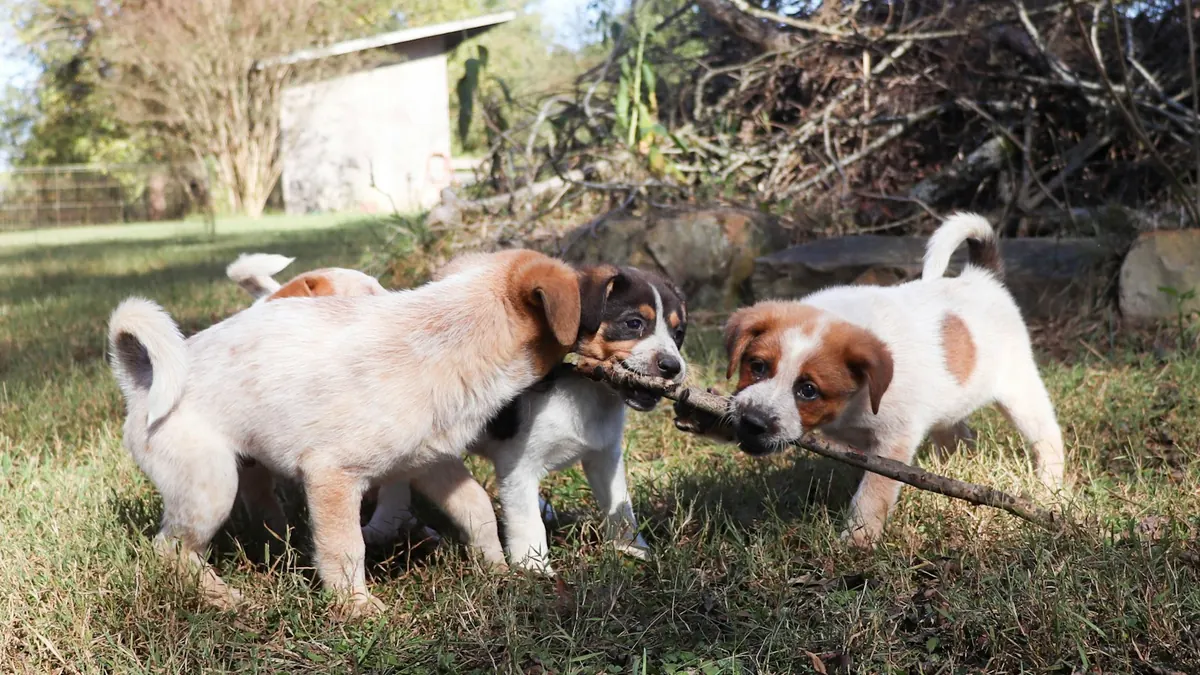
To socialise a puppy, give it short, positive, choice-based meetings with as many people, sounds, surfaces, vehicles, handling experiences and calm vaccinated dogs as you safely can before about 12 to 14 weeks of age, while protecting it from places used by unknown dogs until your vet says it is protected. AVSAB says socialisation should start before vaccinations are complete, because the risk from behaviour problems outweighs the small infection risk of careful, controlled outings. This checklist is written for homes in Trivandrum (Thiruvananthapuram) and the rest of Kerala, where a puppy needs to cope with monsoon thunder, festival crackers, temple drums, two-wheelers and free-roaming dogs. It is organised week by week from 8 to 16 weeks, then beyond. Your vet sets the vaccination schedule; this plan fits around it.
Neolokam packages & prices
Advertised rate + 18% GST. Your final rate is confirmed on WhatsApp before you book.
Why the first three months matter so much
AVSAB's position statement on puppy socialisation says the first three months are when sociability outweighs fear, making this the main window for puppies to adapt to new people, animals and experiences. Incomplete socialisation raises the risk of fear, avoidance and aggression later. AVSAB adds that behaviour problems are the number one cause of death for dogs under three years of age, and the number one reason dogs are given up to shelters.
The 2015 review by Howell, King and Bennett places the sensitive period at roughly 3 to 12 weeks, closing no later than 14 weeks, with socialisation continuing to matter through adolescence. The same review notes that poorly controlled early exposure can backfire: adult dogs with noise fears were more likely to have experienced thunder before four months of age. Exposure must be gentle and positive, not simply frequent.
Balancing socialisation and vaccination
WSAVA's 2024 vaccination guidelines give core puppy vaccines every 2 to 4 weeks, with the final dose at 16 weeks of age or older. The same guidelines strongly support early socialisation and say it can begin before the series is complete, citing research showing the risk of parvovirus from well-run early classes is low.
The safe rules, from AVSAB and WSAVA:
- •Puppy classes can start at 7 to 8 weeks, with at least one set of vaccines 7 days before the first class and a first deworming.
- •Choose classes held on surfaces that are easy to clean and disinfect.
- •Meet only healthy puppies and fully vaccinated, friendly adult dogs you know.
- •Avoid places used by many dogs of unknown health: roadsides where community dogs rest, waste points, markets and busy public grounds.
- •Carry your puppy, or use a sling or a clean blanket in a parked car, to experience the outside world.
- •Follow your own vet's advice on when walks on public roads are safe. Our puppy vaccination schedule for Kerala explains the doses.
How to socialise without overwhelming
- •One or two new things per session, for a few minutes, as RSPCA Australia suggests, with recorded sounds kept at a low volume at first.
- •Pair every new experience with something good: a treat, play or gentle praise.
- •Let your puppy choose. It can approach, watch or retreat. Never push, pull or hold it close to something it is unsure of.
- •Start at a distance or a low volume, and get closer or louder only over days.
- •Watch for signs of too much: freezing, hiding, trembling, tucked tail, lip licking, yawning, refusing food. If you see them, add distance and finish on something easy.
- •Plenty of sleep. Young puppies need a lot of rest, and a tired puppy copes less well.
- •Keep a simple log: what your puppy met, and whether it was relaxed, curious, unsure or scared.
Weeks 8 and 9: home base
- •People: family members of different ages, sizes and voices. One calm visitor a day who sits on the floor and lets the puppy approach.
- •Sounds: mixer grinder and pressure cooker whistle from another room, doorbell, phone ringtones, ceiling fan and TV at normal volume, steady rain on the roof.
- •Surfaces: tiles, red oxide or granite floors, coir mats, a bathroom floor, grass in your compound.
- •Handling: gentle touches to ears, paws, mouth and tail for a second or two, each followed by a treat. Towel-drying after rain. A quick daily look between the toes and in the ears, which helps with tick checks later.
- •Alone time: a few minutes in a safe pen or room with a chew, while you stay nearby.
Weeks 10 and 11: the edge of the world
- •People: visitors wearing helmets, caps, sunglasses, mundu, sarees, raincoats and carrying umbrellas or bags. A delivery person at the gate.
- •Sounds: recordings of thunder, crackers, chenda melam, temple or church loudspeakers and traffic horns, starting very low while your puppy eats.
- •Vehicles: sit at the gate holding your puppy while scooters, autorickshaws and buses pass at a distance. Sit in a parked car with the engine on, then take a short car ride with your puppy safely secured.
- •Surfaces: wet grass, sand, laterite stone, steps, a wobbly cushion, a shallow tray of water.
- •Dogs: one or two short meetings with a calm, healthy, fully vaccinated adult dog you know, on clean ground.
- •Handling: brushing, a gentle look in the mouth, holding a paw while you touch the nails.
Weeks 12 to 14: closing window, widening world
- •People: children who are calm and supervised, older people, someone using a walking stick, people jogging or cycling past at a distance.
- •Places, carried or in a sling: the edge of a quiet market, outside a bus stop, the vet's waiting area for a happy visit with treats and no procedure.
- •Sounds: raise recordings a little louder, still while your puppy is relaxed. Real rain and distant thunder are good practice; sit with your puppy, offer a chew and stay calm yourself.
- •Dogs: a well-run puppy class or play with vaccinated puppies of similar size. Watch for play that stays balanced, with pauses.
- •Free-roaming dogs: watch them from a distance, carried, with treats. No contact.
- •Handling: wearing a harness and lead indoors, being lifted onto a table, a mock vet check.
Weeks 15 and 16, and beyond
- •Practise everything again in new places, because puppies do not automatically generalise.
- •Once your vet says walks are safe, start with short walks on quiet lanes, letting your puppy sniff and watch.
- •Keep up regular calm dog meetings so your puppy does not lose its social skills during adolescence.
- •Prepare for festival seasons. Before Vishu, Diwali and Christmas–New Year, run short low-volume cracker sessions and set up a den away from windows.
- •Keep visiting the vet's clinic for treats only, now and then.
- •If your puppy will ever be boarded, short, happy separations at home make the first stay easier.
City flat or rural home: adjust the plan
City homes in areas such as Pattom, Kowdiar or Kazhakkoottam have lots of noise, people and lifts but may offer few safe grassy spaces. Add: lifts and stairwells, corridor neighbours, apartment doorbells, balcony views of traffic, a range of floor surfaces and car trips to clean, quiet open spaces approved by your vet.
Rural and semi-rural homes, such as those around Malayinkil or Kattakada, are calmer but may offer fewer strangers and vehicles. Add: invited visitors several times a week, trips to a town edge in the car, the sound of buses and autorickshaws, and calm exposure to cattle, goats and hens at a distance. Free-roaming dogs are common in both settings, so plan for watching from a distance rather than contact.
The screenshot checklist
Tick each one at least three times, in different places, with your puppy relaxed:
- •20 different people, including children, older people, and people in helmets, caps, raincoats and uniforms.
- •Rain on the roof, thunder recording, cracker recording, temple drums, pressure cooker, mixer grinder, bus horn.
- •Tiles, granite, grass, sand, laterite, steps, coir mat, shallow water.
- •Scooter, autorickshaw, bus and car passing at a distance; sitting in a parked car; a short car ride.
- •Ears, paws, mouth, tail, brushing, towel-drying, harness on and off.
- •A calm vaccinated adult dog, a vaccinated puppy friend, a free-roaming dog seen from a distance.
- •A happy vet visit with no procedure.
- •Short alone time with a chew.
When to ask for help
Talk to your vet and a reward-based trainer if your puppy is frightened of many things, hides for long periods, growls when handled, or does not bounce back after a scare. Early help is far easier than fixing fear in an adult dog. Our guide to when to start puppy training covers the first lessons. For puppy training or socialisation questions, call or WhatsApp Neolokam's team on +91 77363 90719.
Common questions
When is the puppy socialisation window?
The sensitive period for socialisation runs from about 3 weeks to around 12 weeks of age, and a 2015 review by Howell, King and Bennett says it closes no later than 14 weeks. AVSAB calls the first three months the most important time for socialisation. Socialisation should still continue after that, through adolescence, to keep your dog confident.
Can I socialise my puppy before its vaccinations are finished?
Yes, carefully. AVSAB says puppies can start socialisation classes at 7 to 8 weeks, with at least one set of vaccines 7 days before the first class and a first deworming. WSAVA's 2024 guidelines advise socialising under controlled conditions, avoiding potentially contaminated places and meeting only healthy puppies and fully vaccinated adult dogs. Confirm the plan with your own vet.
How do I get my puppy used to crackers and thunder?
Start with recordings of thunder, rain and crackers at a very low volume while your puppy eats or plays, for a minute or two. Raise the volume a little over many days, only while your puppy stays relaxed. If it startles, lower the volume. During real storms or festivals, keep your puppy indoors with windows closed, background sound and a chew in its den.
Can my puppy meet street dogs before vaccinations are complete?
No. Free-roaming dogs have unknown vaccination and health status, and the places they gather are exactly the potentially contaminated environments WSAVA advises avoiding until your vet says your puppy is protected. Your puppy can watch them from a safe distance while you carry it or sit in a parked car, paired with treats, which still counts as socialisation.
What if my puppy is scared during socialisation?
Stop, add distance and let your puppy retreat. Then end on something easy. Signs of too much include freezing, hiding, trembling, a tucked tail, refusing treats or trying to escape. Try again another day at a gentler level. If your puppy is fearful of many things or does not recover quickly, speak to your vet and a reward-based trainer early.
Bottom Line
The first three months shape how your dog sees the world for life, so make them count with short, positive, choice-based experiences: Kerala's rain and thunder, festival sounds, two-wheelers, different floors, gentle handling and calm vaccinated dogs. Protect your puppy from places used by unknown dogs until your vet says it is safe, and keep socialising after 16 weeks. If your puppy seems fearful rather than curious, slow down and ask for help early.
Related
Sources
- AVSAB Position Statement on Puppy Socialization
- WSAVA Guidelines for the Vaccination of Dogs and Cats (2024)
- Howell, King and Bennett (2015), Puppy parties and beyond: the role of early age socialization practices on adult dog behavior, Veterinary Medicine: Research and Reports
- RSPCA Australia Knowledgebase: How can I socialise my puppy?
Ready to Book?
Call or WhatsApp Neolokam Trivandrum. No automated replies — you speak to a real person.
More guides for dog owners
- New Puppy Checklist for Trivandrum: Your First 30 Days as a Dog ParentA week-by-week first-30-days checklist for new puppy and dog parents in Trivandrum, from the first vet visit and tick prevention to house training and planning for travel.
- Potty Training a Puppy in a Flat or House in Trivandrum: Schedule, Pads, Lifts and Monsoon DaysA practical potty-training plan for puppies in Trivandrum flats and houses: how often to go out at each age, crates and pee pads, lift logistics, rainy days, accidents and realistic timelines.
- When to Start Puppy Training: An Age-by-Age Guide From 8 Weeks to Adult DogsThe best age to start training is the day your puppy comes home. This guide covers what to teach from 8 weeks to adulthood, the socialisation window, the 3-3-3 rule for rescues and short sessions in Kerala heat.
- How Dog Socialisation Works at Cage-Free Boarding: Temperament Matching, Rest, Play and Signs Your Dog Is CopingWhat good socialisation at a cage-free boarding place actually looks like: how dogs are assessed and matched, why rest matters as much as play, the signs a dog is coping or struggling, and the questions to ask before you book.
- Puppy Vaccination Schedule in Kerala: Week-by-Week Guide for 2026A week-by-week puppy and adult dog vaccination plan for Kerala, based on the 2024 WSAVA guidelines, with rabies, leptospirosis, deworming, tick prevention and the records boarding facilities ask for.
- Dog Training in Trivandrum — 2026 Guide to Behaviour & SocialisationA practical guide to dog training in Trivandrum — what behaviour issues are most common, what training methods actually work, and why farm-based socialisation training outperforms urban obedience classes.