
German Shepherd Care in Kerala: Heat, Coat, Hips, Exercise and Guarding Instincts
November 2026 — Neolokam, Trivandrum
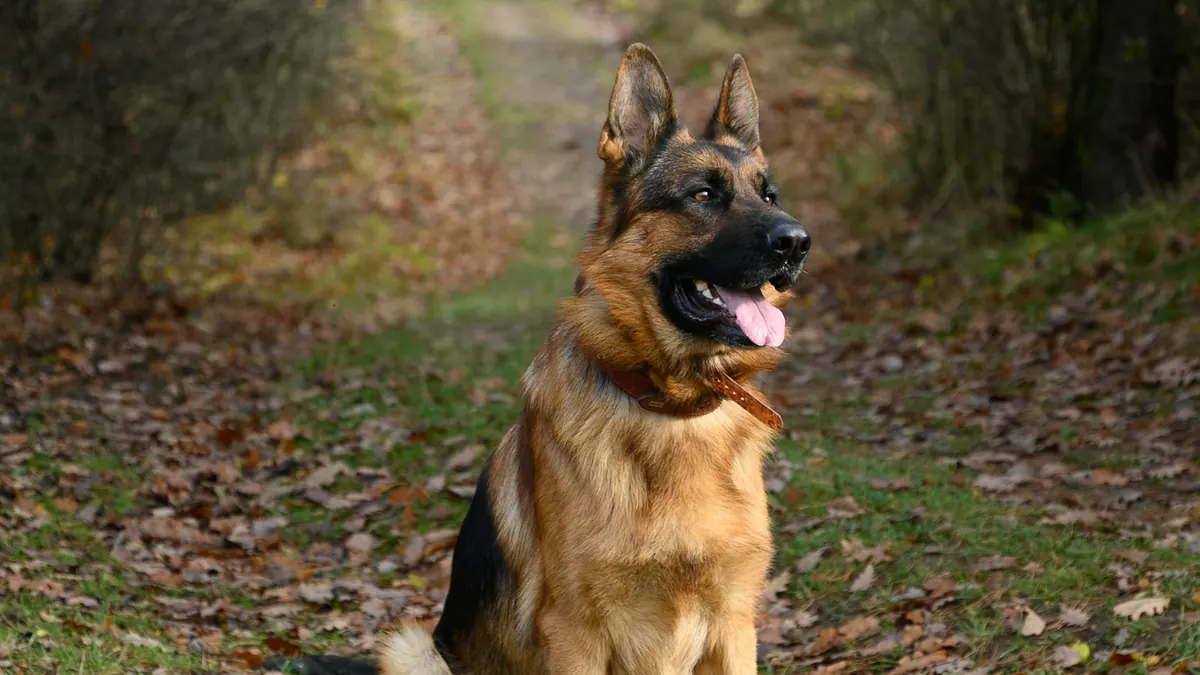
German Shepherds can live happily in Kerala if you work with their double coat instead of against it: keep the coat brushed but never shaved, give constant shade, water and airflow, exercise in the early morning and after sunset, keep your dog lean to protect its hips and elbows, and give it daily training and brain work. Socialise early, because this is an alert, protective breed. This guide is for German Shepherd owners in Trivandrum (Thiruvananthapuram) and across Kerala. It covers coat care in the heat and monsoon, hip and elbow awareness, exercise, guarding instincts, feeding, grooming and what to know when your German Shepherd needs boarding. Health points are general education; your own vet should guide decisions for your dog.
Neolokam packages & prices
Advertised rate + 18% GST. Your final rate is confirmed on WhatsApp before you book.
The double coat in Kerala heat: why you should never shave
A German Shepherd's coat has two layers: a dense, soft undercoat and longer guard hairs on top. It looks like the last thing a dog in Kerala needs, so many owners ask for a full shave in April. Please don't.
The American Kennel Club explains that grooming experts generally advise against shaving double-coated dogs. Shaving does not cool a dog, which mainly cools itself by panting, and the undercoat may grow back faster than the guard hairs, changing the coat's texture. The coat also shields skin from direct sun. Vets usually reserve shaving for surgery or severe matting.
What helps instead:
- •Brush with an undercoat rake and a slicker brush several times a week, and daily when the coat is ‘blowing’ in heavy sheds.
- •Book a professional de-shedding groom to remove the dead undercoat that traps heat and humidity.
- •Dry the coat right down to the skin after baths, swims and rain. A damp undercoat in Kerala humidity can irritate the skin.
- •Check ears weekly. In a large UK study of German Shepherds in primary veterinary care, ear inflammation (otitis externa) was the most common disorder recorded, in 7.89 percent of dogs.
- •Check for ticks daily; a thick coat hides them easily. Feel along the neck, ears, armpits, between toes and under the tail.
Heat safety plan for a German Shepherd
Large, active, thick-coated dogs build up heat quickly. Screenshot this checklist for March to May:
- •Walks before 7:00 AM and after sunset. Midday is for resting indoors under a fan.
- •Test the road or terrace with the back of your hand for a few seconds, as the RSPCA advises. If it is too hot for your hand, it is too hot for paws; choose grass or shade.
- •Fresh water in two places, refilled through the day.
- •A cool floor to lie on: tiles, a shaded verandah or a cooling mat. Do not tie your dog in the sun or leave it on a terrace.
- •Never leave your dog in a parked car, even for a few minutes.
- •Swap long runs for sniffing walks, shade games and swimming in safe water.
- •Know the signs. The RSPCA lists heavy panting, difficulty breathing, excessive drooling, lethargy, unsteadiness, vomiting and collapse. Move your dog to shade, offer water and go to a vet now if the signs do not settle quickly.
Hips and elbows: what every GSD owner should know
German Shepherds are known for hip and elbow dysplasia, where the joint develops abnormally and wears over time. The Orthopedic Foundation for Animals describes hip dysplasia as an abnormally developed hip joint in which cartilage wears down and movement becomes painful, and notes that body weight and activity level can affect severity.
The UK study mentioned above, by O'Neill and colleagues at the Royal Veterinary College, covered 12,146 German Shepherds under veterinary care in 2013. In a random sample of 1,660 of those dogs, osteoarthritis was recorded in 5.54 percent and hip dysplasia in 2.65 percent, and the most common causes of death were musculoskeletal disorders and an inability to stand. Median lifespan was 10.3 years.
Practical steps:
- •If you are buying a puppy, ask the breeder whether the parents' hips and elbows were X-rayed and graded, and ask to see the results.
- •Keep your dog lean. You should be able to feel the ribs easily under a thin layer of fat. Ask your vet to check body condition at every visit.
- •For growing puppies, ask your vet how much exercise is appropriate, and avoid repeated jumping from heights and long runs on hard roads.
- •Watch for warning signs: stiffness after rest, a swaying or ‘bunny hopping’ back end, reluctance to climb stairs or jump into a car, or limping. See your vet early; pain is treatable and earlier management helps.
Exercise and mental work
German Shepherds were bred to work all day with people. Without enough to do, many become noisy, destructive or anxious. In Kerala, the trick is to swap some running for thinking.
A daily plan that works in the heat:
- •Early morning: a walk with plenty of sniffing, plus five minutes of training on the way.
- •Daytime: a puzzle feeder or stuffed chew for one meal, and a short ‘find it’ game indoors.
- •Evening after sunset: fetch or play in a shaded, enclosed space, or a swim.
- •Before bed: a calm settle on a mat, rewarded with a chew.
Good brain work for GSDs includes scent games (hide treats around the house or compound), tracking a family member's path, learning names of toys, impulse control such as waiting at doors, and structured training sessions. Swimming is easy on the joints and cooling, as long as the water is safe and your dog is dried thoroughly afterwards.
Guarding instincts and socialisation
Most German Shepherds are loyal, alert and watchful, and many are naturally reserved with strangers. That is part of the breed's appeal for Kerala families who want a watchful dog at the gate, but it needs channelling.
The UK study recorded aggression in 4.76 percent of German Shepherds, and it was more common in males (6.75 percent) than females (2.78 percent). Early socialisation and reward-based training are the best prevention. The American Veterinary Society of Animal Behavior calls the first three months of life the most important time for socialisation.
- •Introduce your puppy to many calm visitors, children who follow your rules, delivery riders at the gate, vehicles and other vaccinated dogs, always with treats and the freedom to retreat.
- •Do not encourage barking or lunging at the gate or at passers-by. Reward calm watching instead.
- •Teach a reliable ‘come away’ and ‘settle’ so you can interrupt alert barking.
- •Avoid harsh corrections and choke or prong collars; pain and fear make guarding and reactivity worse.
- •Ask your vet to check for pain if your dog's tolerance suddenly drops; joint pain can make a dog irritable.
For help, Neolokam's German Shepherd training uses positive reinforcement and breed-aware work on protectiveness, reactivity and obedience.
Feeding: work with your vet
Feeding a German Shepherd well is mostly about growth rate and body weight, and the details belong with your vet.
- •Ask your vet whether a large-breed puppy diet suits your puppy, and how much to feed as it grows.
- •Weigh your dog every month and adjust portions with your vet's advice. Extra weight puts extra load on hips and elbows.
- •Split the day's food into two or more meals rather than one large one.
- •Slow down fast eaters with a puzzle bowl.
- •If you feed home-cooked food, ask your vet to check that the recipe is complete and balanced.
The American College of Veterinary Surgeons lists large, deep-chested dogs as at higher risk of bloat (gastric dilatation-volvulus), with eating one large meal a day and eating quickly among the risk factors. A German Shepherd has that build. Signs include a swollen belly, restlessness, drooling and repeated retching without bringing anything up. This is an emergency: go to a vet now.
Grooming a German Shepherd in Trivandrum
Between home brushing sessions, a professional groom keeps the undercoat under control and gives you a chance to spot skin, ear and tick problems early.
Neolokam's standalone grooming is doorstep only: the team comes to your home with two groomers and all equipment and products, and travel is included. For a German Shepherd, the relevant rates are:
- •₹2,200 + 18% GST: large or heavy-coated dog, or a medicated bath.
- •₹2,000 + 18% GST: reactive dog.
For a healthy German Shepherd, ask for a de-shedding groom rather than a shave. If your dog is boarding with Neolokam, grooming is done during the stay rather than as a doorstep visit.
Boarding a German Shepherd
German Shepherds often do better with space, shade and routine than in a small kennel run. Neolokam is a dogs-only, cage-free farm of 1.5 acres east of Trivandrum city towards Kattakada, with trees, open ground, a stream and a splash area. Three dedicated Malayali staff are on site with 24/7 human care, dogs eat home-cooked meals or their own dry food, and you get daily photo and video updates.
Because GSDs can be protective, dogs are grouped by temperament after a trial visit and assessment. Requirements before a first stay:
- •A trial visit and temperament assessment.
- •Up-to-date rabies and core vaccinations, with the record.
- •Current tick and parasite prevention as advised by your vet.
- •Your dog must be comfortable around other dogs.
Long-term boarding is ₹444 per day for standard care, ₹555 per day for additional care and ₹666 per day for heavy and giant breeds, all plus 18% GST. Ask the team which band fits your dog. Pickup and drop-off for confirmed boarding is available by appointment from areas including Pattom, Kowdiar, Kazhakkoottam, Technopark, Nemom and Neyyattinkara.
Common questions
Can a German Shepherd live in Kerala's heat?
Yes, many German Shepherds live well in Kerala, but they need more care than short-coated breeds. Give constant shade and water, a cool resting floor and airflow, exercise only in the early morning and after sunset, and brush out the loose undercoat regularly. Watch for heavy panting, drooling, weakness or collapse, which are heatstroke signs; if you see them, go to a vet now.
Should I shave my German Shepherd in summer?
No. A German Shepherd has a double coat, and groomers and vets generally advise against shaving it. The American Kennel Club notes that shaving does not cool dogs, which mainly cool themselves by panting, and the undercoat may regrow faster than the topcoat. Instead, remove the loose undercoat with regular brushing and a professional de-shedding groom. Shaving is usually only for medical reasons or severe matting.
How much exercise does a German Shepherd need?
Adult German Shepherds are working dogs and need physical exercise every day plus mental work such as training, sniffing and puzzle feeders. In Kerala, split activity into two cooler sessions, early morning and after sunset, and add short brain games indoors in between. Growing puppies need gentler, shorter activity, so ask your vet what is right for your puppy's age.
Are German Shepherds aggressive?
German Shepherds are not aggressive by nature, but they are alert, protective and often reserved with strangers, so early socialisation matters. A large UK study of German Shepherds in veterinary care recorded aggression in 4.76 percent of dogs, more often in males. Reward-based training, calm introductions to visitors and a vet check for pain help prevent and manage problems.
How often should a German Shepherd be groomed in Kerala?
Brush at home several times a week, and daily when your dog is shedding heavily. Dry the coat fully after baths and rain, because damp undercoat in humid weather can irritate the skin. A professional de-shedding groom every few weeks helps; Neolokam's doorstep grooming for large or heavy-coated dogs is ₹2,200 plus 18% GST, including travel, two groomers and all products.
Bottom Line
A German Shepherd in Kerala needs a brushed but unshaved coat, shade and cool-hour exercise, a lean body for its joints, early socialisation and plenty of brain work. Keep your vet involved in feeding and joint health, and act fast on heatstroke or bloat signs. For grooming, training or boarding for your German Shepherd in Trivandrum, call or WhatsApp Neolokam on +91 77363 90719.
Related
Sources
- O'Neill et al. (2017), Demography and disorders of German Shepherd Dogs under primary veterinary care in the UK
- American Kennel Club: Double-coated dog breeds and why not to shave
- Orthopedic Foundation for Animals: Hip dysplasia
- American College of Veterinary Surgeons: Gastric dilatation-volvulus
- RSPCA: Walking your dog in hot weather
- AVSAB Position Statement on Puppy Socialization
Ready to Book?
Call or WhatsApp Neolokam Trivandrum. No automated replies — you speak to a real person.