
Labrador Care in Kerala: Heat, Weight, Swimming, Ears, Joints and Boarding
November 2026 — Neolokam, Trivandrum
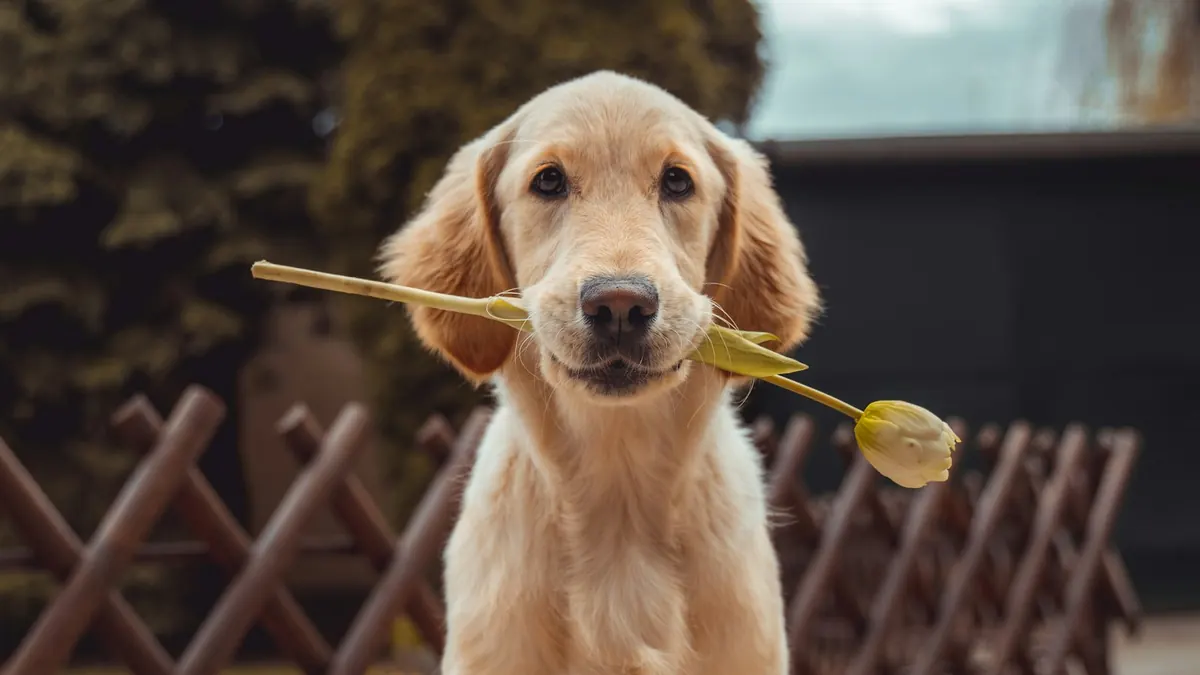
To keep a Labrador healthy in Kerala, exercise it in the early morning and after sunset, keep it lean with measured meals, let it swim only in clean, supervised water, dry its ears after every swim or bath, and brush the shedding coat at least weekly. Those five habits prevent most of the heat, weight, skin and ear problems Labradors run into in Kerala. Labradors are friendly, eager and easy to love, and they are everywhere in Trivandrum (Thiruvananthapuram) homes. They are also a large, energetic, food-driven breed with a thick undercoat, which makes Kerala's heat and monsoon worth planning for. This guide brings together what veterinary studies say about Labrador health with practical steps for Kerala owners. For anything specific to your own dog, especially food amounts and joint problems, confirm with your veterinarian.
Neolokam packages & prices
Advertised rate + 18% GST. Your final rate is confirmed on WhatsApp before you book.
Heat and exercise timing
The Royal Kennel Club lists more than two hours of exercise a day for an adult Labrador. In Kerala, the challenge is fitting that in without exercising in the heat.
A 2020 study of 905,543 dogs under UK veterinary care, published in Scientific Reports, used the Labrador as its reference breed for heat-related illness. It found that dogs at or above the average weight for their breed and sex had 1.42 times the odds of heat-related illness, and dogs aged 12 and over had 1.75 times the odds of young dogs. Kerala is hotter and more humid than the UK, so take those risk factors seriously.
- •Do the main walk or run before the sun is strong, and the second after sunset.
- •Test the road or terrace with the back of your hand. If it is too hot to hold for a few seconds, it is too hot for paws.
- •At midday, swap physical exercise for sniffing games, food puzzles and short training sessions indoors.
- •Carry water on every walk and offer it often.
- •Never leave a Labrador in a parked car.
- •Slow down on humid days, even if the temperature does not seem high.
Heavy panting that does not settle with rest and shade, thick drooling, wobbliness, vomiting, a dark red or bluish tongue or collapse can be heatstroke. Move your dog to shade, and go to a vet now. Our heatstroke prevention guide for Kerala covers the signs and first steps in detail.
Weight: the single biggest Labrador health lever
Labradors put on weight easily, and part of the reason is genetic. A University of Cambridge study published in Cell Metabolism in 2016 found a deletion in the POMC gene in Labradors, with an allele frequency of 12%, that was linked to higher body weight and stronger food motivation. In other words, many Labradors are genuinely hungrier than other dogs, so begging is not a sign they need more food.
A 2021 VetCompass study of 1,462 Labradors in UK veterinary care found the breed had 1.62 times the odds of obesity and 2.83 times the odds of osteoarthritis compared with other dogs. Extra weight also adds to heat risk, as the heat study above showed.
Use the WSAVA body condition score to check your dog at home. An ideal dog scores 4 or 5 out of 9: ribs are easily felt with minimal fat covering, the waist is easily seen from above, and the belly tucks up when viewed from the side. If you cannot feel the ribs without pressing, or there is no waist, your Labrador is likely overweight.
Portion guidance, without guessing a number for your dog:
- •Start from the feeding guide on your dog's food, then weigh the portion with a kitchen scale instead of using a cup.
- •Count every treat, chew and table scrap. They add up quickly with a breed that is always hungry.
- •Recheck the body shape every two to three weeks and adjust by small amounts.
- •Use part of the daily food for training rewards and food puzzles.
- •Ask your veterinarian to set a target weight, especially after neutering or if your dog is less active in the monsoon.
If you cook at home for your dog, ask your vet about balancing the diet. Our guide to home-cooked food for dogs in Kerala explains what to watch for.
Swimming: the Labrador's favourite exercise, done safely
Labradors were bred as water retrievers, and most love to swim. Swimming lets them work hard while staying cool and puts less strain on the joints than running on hard roads, which is useful for a breed prone to joint problems.
Safe swimming checklist for Kerala:
- •Choose clean, still or gently flowing water with an easy way out. Avoid fast rivers, the sea in rough conditions, canals and water with visible algae, sewage or rubbish.
- •Avoid floodwater and stagnant water after heavy monsoon rain. Ask your vet which vaccines and parasite prevention your dog needs if it swims often.
- •Stay with your dog the whole time and use a dog life jacket for a weak or first-time swimmer.
- •Keep sessions short at first and stop while your dog still has energy. Tired dogs can struggle to climb out.
- •Rinse with fresh water afterwards, towel the coat, and dry the ears.
Neolokam's farm has a stream for play and a splash and swimming area, and swimming is one of the services offered. See our dog swimming page in Trivandrum for how it works.
Ears: dry them after every swim and bath
Ear infections are one of the most common reasons Labradors see a vet. The 2021 VetCompass study of UK Labradors found the breed had 1.55 times the odds of ear disorders compared with other dogs. Floppy ears, frequent swimming and allergies all play a part, and water trapped in the ear canal encourages yeast and bacteria. A practical routine:
- •After every swim or bath, lift each ear flap and dry the outer ear and folds with a soft towel.
- •Use an ear cleaner only if your vet has recommended one, and never push cotton buds into the canal.
- •Check the ears weekly: they should look pale pink and smell of very little.
See your vet for head shaking, scratching at the ears, redness, a bad smell, or dark or yellow discharge. Do not use pet-shop drops without an examination, because the cause needs a diagnosis and the eardrum must be checked first.
Shedding, brushing and bathing
A Labrador has a short, dense double coat and sheds year-round, with heavier sheds a few times a year. The Royal Kennel Club lists grooming once a week. In Kerala, brushing once or twice a week with a rubber curry brush or a de-shedding brush keeps loose undercoat from holding moisture and heat against the skin.
Do not shave a Labrador. The American Kennel Club lists the Labrador among double-coated breeds that should not be shaved, because the coat insulates and protects from sun, and shaving can damage regrowth.
Bathe about once a month with a dog shampoo, or after a dirty swim, and dry right down to the skin. The undercoat holds water for hours in humid weather, and a damp coat in the armpits, groin and between the toes is where itchy skin and smells start. In the monsoon, towel the paws and belly after every walk. Our home bath guide for Kerala explains each step. For a full groom at home, Neolokam's doorstep team grooms most Labradors at the regular ₹1,700 plus GST rate; a very large or heavy-coated dog may fall into the ₹2,200 plus GST category, confirmed from a coat photo.
Hips, elbows and joints
Labradors are prone to hip and elbow dysplasia and to osteoarthritis later in life. The 2021 VetCompass study found osteoarthritis had the highest odds of any disorder in Labradors compared with other dogs, at 2.83 times. The Royal Kennel Club lists hip scoring, elbow scoring and eye testing as the minimum health tests breeders should do before breeding Labradors.
- •If you are buying a puppy, ask to see the parents' hip and elbow results and eye test certificates.
- •Keep your Labrador lean; this is the most useful thing an owner can do for the joints.
- •Avoid long runs on hard roads and repeated jumping for growing puppies; ask your vet when full exercise is safe.
- •Use non-slip mats on smooth tiled floors, which are common in Kerala homes.
See your vet if your Labrador is stiff after rest, reluctant to climb stairs or jump into the car, bunny-hops with the back legs, or limps. Early diagnosis gives more options.
Boarding a Labrador at Neolokam
Labradors usually enjoy group-based, cage-free boarding because it gives them space, company and things to do. Neolokam is a dogs-only, 1.5-acre farm east of Trivandrum city, towards Kattakada, with trees, shade, open ground, a stream for play and a splash and swimming area. Three dedicated staff are on site, with 24/7 human care, and you receive daily photo or video updates.
Dogs are grouped by temperament after a mandatory trial visit. The boarding requirements are a trial visit and temperament assessment; up-to-date rabies and core vaccinations with the record; current tick and parasite prevention as advised by your vet; and dogs must be comfortable around other dogs.
For a Labrador, tell the team the exact daily food amount and any treats, since keeping the diet the same protects the waistline. Neolokam serves home-cooked meals, or you can leave your dog's own dry food. Long-term boarding is ₹444 per day plus GST at the standard rate, ₹555 per day for additional care and ₹666 per day for heavy and giant breeds; the team confirms which applies. Pickup and drop-off is available by appointment for confirmed stays from many areas, including Pattom, Kowdiar, Kazhakkoottam, Technopark, Nemom and Neyyattinkara.
Labrador care checklist for Kerala (screenshot this)
- •Daily: exercise before the heat and after sunset, water on every walk, indoor games at midday.
- •Daily: measured meals, with treats counted in.
- •After every swim or bath: rinse, towel dry, dry the ears.
- •After every monsoon walk: towel the paws, belly and armpits.
- •Weekly: brush the coat, check ears, check for ticks.
- •Every two to three weeks: check ribs and waist against the body condition score.
- •Monthly: a bath with dog shampoo, dried to the skin.
- •Yearly: a vet check of weight, joints, ears and teeth, plus vaccinations as advised.
- •Go to a vet now for collapse, heavy panting that will not settle, repeated vomiting or a swollen, tight belly.
Common questions
Can a Labrador live in Kerala's climate?
Yes. Labradors are a popular breed in Kerala and cope well when you plan around the heat. Exercise them in the early morning and after sunset, give shade and water all day, keep them lean, and dry their ears and coat properly in the monsoon. Watch for heatstroke on hot afternoons, especially in heavier or older dogs.
How much exercise does a Labrador need in hot weather?
The Royal Kennel Club lists more than two hours a day for an adult Labrador. In Kerala, split that into an early-morning session and an evening session after sunset, and replace midday activity with indoor games, sniffing and training. Swimming in clean, supervised water is a good way to burn energy in the heat. Puppies and older dogs need less; ask your vet.
How much should I feed my Labrador?
There is no single number, because the right amount depends on the food, your dog's age, size, activity and neutering status. Start from the food label's guide, weigh the portion, count treats, then adjust every few weeks to keep a visible waist and ribs you can feel easily. Many Labradors are very food-motivated, so ask your vet to set a target weight.
Why does my Labrador keep getting ear infections?
Labradors have floppy ears, love water and often have allergies, all of which raise the risk. A 2021 UK study of veterinary records found Labradors had 1.55 times the odds of ear disorders compared with other dogs. Dry the ears after every swim and bath, check them weekly, and see your vet for head shaking, smell, redness or discharge. Recurring infections usually need the underlying cause investigated.
Should I shave my Labrador in summer?
No. A Labrador has a short double coat with a dense undercoat that insulates against heat and protects the skin from sun. The American Kennel Club lists the Labrador among double-coated breeds that should not be shaved, because shaving can damage hair growth and expose the skin. Instead, brush out loose undercoat at least weekly, more during heavy shedding, and keep your dog in shade.
Bottom Line
Labradors do well in Kerala when you work with the weather and the breed: exercise at the cool ends of the day, keep the waist visible, let them swim in clean water and dry the ears every time, and brush out the undercoat instead of shaving it. Keep your veterinarian involved for weight targets, joint checks and any ear trouble that comes back. If you need care while you travel, Neolokam offers cage-free boarding with space to run and water to play in; send your dates and your Labrador's details on WhatsApp to +91 77363 90719 to arrange a trial visit.
Related
Sources
- Royal Kennel Club: Retriever (Labrador) breed information
- Hall, Carter and O'Neill (2020), Incidence and risk factors for heat-related illness in UK dogs, Scientific Reports
- Raffan et al. (2016), A Deletion in the Canine POMC Gene Is Associated with Weight and Appetite in Obesity-Prone Labrador Retriever Dogs, Cell Metabolism
- Pegram et al. (2021), Disorder predispositions and protections of Labrador Retrievers in the UK, Scientific Reports
- American Kennel Club: Is It OK to Shave Your Dog's Coat in Summer?
- WSAVA: Body Condition Score (dog)
Ready to Book?
Call or WhatsApp Neolokam Trivandrum. No automated replies — you speak to a real person.