
The 3-3-3 Rule for Dogs: 3 Days, 3 Weeks, 3 Months, and Where It Falls Short
November 2026 — Neolokam, Trivandrum
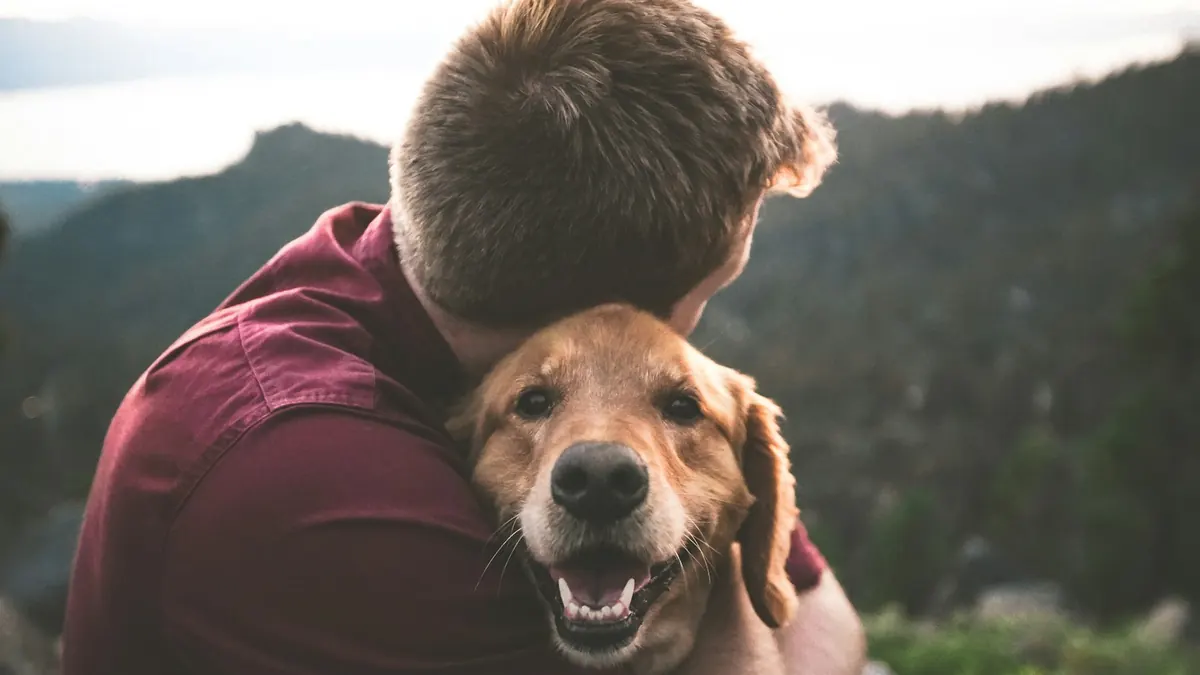
The 3-3-3 rule for dogs says a dog in a new home needs about 3 days to decompress, 3 weeks to learn the routine and 3 months to feel truly at home. It started as a rescue-adoption guideline, and it works best as a reminder to be patient, not as a timetable your dog must follow.
We see the same pattern on our boarding farm and hear it from owners across Trivandrum (Thiruvananthapuram) who have adopted indie dogs: the first days are quiet and uncertain, the real personality appears later, and trust takes months. This guide explains each stage, where the rule falls short, and how to adapt it for three common situations: an adopted rescue dog, a new puppy and a dog's first boarding stay. It is general guidance; your vet and a qualified reward-based trainer know your dog.
Neolokam packages & prices
Advertised rate + 18% GST. Your final rate is confirmed on WhatsApp before you book.
Where the 3-3-3 rule comes from
The rule comes from rescue and shelter work, where adopters often expect a calm, grateful dog on day one and are surprised by what follows. The San Francisco SPCA describes it as the '3-3-3 guideline', a way to set expectations for a rescue dog settling into a new home. It is not a scientific finding and it was not designed for puppies or for boarding.
Its useful message is simple: change is stressful for dogs, the first impression is not the whole dog, and settling happens in stages.
The first 3 days: decompress
In the first few days most dogs are overwhelmed. They may hide, sleep a lot, avoid eye contact, eat little, pace, or have accidents indoors. None of this means you chose the wrong dog.
What helps, drawing on the San Francisco SPCA's advice:
- •A quiet home, soft voices and the same few people.
- •A safe resting place, such as a bed in a corner or a separate room. A crate is fine only if the dog relaxes in it.
- •Short, calm toilet walks on a lead, at the same times each day.
- •Letting the dog come to you, rather than reaching over it or forcing cuddles.
- •Rewards, not punishment.
What to postpone: visitors, bathing unless necessary, busy roads, the beach, meeting other dogs, and car rides that are not essential. Do book a vet check within the first week.
The first 3 weeks: routine and first lessons
Over the next few weeks the dog starts to learn how your household works: when meals come, where it sleeps, when walks happen and who does what. This is also when more of its personality appears. Barking, chewing, testing the furniture or reacting at the gate can show up now.
This is the time to start training, gently:
- •Keep sessions short, a few minutes at a time, and end while the dog is still keen.
- •Teach a few useful basics: its name, coming to you, sitting, and walking on a loose lead.
- •Use food rewards and play. The San Francisco SPCA advises against shock and prong collars.
- •Give daily enrichment: sniffing walks, chew items and food puzzles.
If behaviour escalates, or the dog stops eating, seems lethargic, withdraws or vomits, see your vet. Behaviour changes can have a medical cause.
The first 3 months: trust and the real dog
By around three months many dogs feel at home. They trust you, know the routine and show their full personality. This is when you can widen the dog's world step by step: new people, new places, car rides and, if it suits the dog, carefully managed meetings with calm dogs.
Keep the pace led by the dog. A useful signal from the San Francisco SPCA: if your dog starts refusing treats it normally loves, it is too uncomfortable, and you should step back and make the situation easier.
Three months is not a finish line. Some dogs, especially those with a hard past, keep improving for a year or more.
Where the rule falls short
The rule is a helpful reminder, but it has real limits:
- •Every dog is different. A confident young dog from a foster home may settle in days. A frightened former street dog may need far longer than three months.
- •It can make owners wait when they should act. If a dog shows fear aggression, cannot be handled, or is not eating, that needs a vet and a qualified trainer now, not at the three-month mark.
- •It does not fit puppies well, because a puppy's main socialisation window is open only for its first few months.
- •It says nothing about health. Pain, ticks, parasites or skin problems change behaviour, and many rescued dogs in Kerala arrive with all of them.
Use it to manage your expectations, not your dog's.
Applying it to an adopted indie or rescue dog in Kerala
Many rescue dogs adopted in and around Trivandrum are indies, often former street dogs or dogs given up by families. Many have never lived indoors, worn a collar, climbed stairs or met a pressure cooker whistle.
- •Days: expect wariness of hands, leads, indoor rooms and sometimes men or children. Let the dog watch the household from a safe corner.
- •Weeks: start lead and collar practice indoors, then on quiet lanes at quiet times. Many indies are wary of other dogs at first, so do not rush greetings.
- •Months: build on what works. Introduce new people one at a time with food, and practise short trips.
Our guide to socialising an adult rescue dog goes into this step by step, and our indie dog care guide covers the first-week vet check, vaccinations and tick prevention. If you are not adopting but need to find a new home for a dog, Neolokam's rehoming page explains what to send so the request can be shared through its network.
Applying it to a new puppy
A puppy also needs a calm first few days to get used to your home, but after that the timing works differently. The American Veterinary Society of Animal Behavior holds that the period up to about three to four months of age is critical for socialisation, and that socialisation should begin before the vaccination course is finished, once the first vaccines have been given and the puppy is healthy.
The WSAVA 2024 vaccination guidelines agree that early socialisation matters, and advise that puppies who have not completed their course mix only under controlled conditions, with healthy puppies and fully vaccinated adult dogs. In practice:
- •Days: settle the puppy in and set up its sleeping and toilet spots.
- •Weeks: short, happy experiences every day, such as gentle handling, new sounds, being carried to see the street, and meeting calm vaccinated dogs your vet agrees are safe.
- •Months: keep going through the course, then widen the world once your vet says the puppy is protected.
Ask your vet about the vaccination dates; our puppy vaccination schedule guide explains the usual pattern.
Applying it to a dog's first boarding stay
A first stay away from home is a smaller version of the same change: new place, new people, new dogs. The stages are compressed into days rather than months, and preparation makes a large difference.
- •Before: at Neolokam every dog first has a trial visit and temperament assessment, so the farm, the staff and the other dogs are not complete strangers on day one. Your dog must be comfortable around other dogs, with up-to-date rabies and core vaccinations recorded and current tick and parasite prevention as your vet advises.
- •First day or two: many dogs are a little unsettled, eat less or watch from the edge. Dogs join supervised, temperament-matched groups at their own pace.
- •Later days: most dogs relax into the routine of meals, walks, shade and play, and you can see it in the daily photo and video updates.
If your dog has only just been adopted, give it time to bond with you first. A short first stay, like the 3-Day Dog Village Vacation at Rs 5,555 plus 18% GST, is a gentler start than a month away. Our guide to preparing a dog for its first boarding stay has a full checklist.
Signs your dog needs more help than time
Patience fixes a lot, but not everything. Get professional help if you see:
- •Growling, snapping or biting when touched, approached or near food.
- •Panic when left alone, such as destroying doors, injuring itself or howling for long periods.
- •No improvement, or things getting worse, after several weeks.
- •Not eating for more than a day or two, vomiting, diarrhoea, limping or other signs of illness.
Start with your vet to rule out pain or illness. Then look for a trainer who uses reward-based methods and explains what they will do. Neolokam's dog training team can talk through what your dog needs; ask on WhatsApp for current options.
Common questions
What is the 3-3-3 rule for dog training?
It is a guideline for a dog's first months in a new home: about 3 days to decompress, 3 weeks to learn the routine and 3 months to feel at home and show its real personality. For training it means: keep the first days quiet with almost no demands, start short reward-based sessions in the first weeks, and expect real progress and trust to build over months, not days.
Is the 3-3-3 rule scientifically proven?
No. It comes from rescue and shelter practice, not from research. The San Francisco SPCA calls it a guideline and says every dog is different and some will not follow the timeline. Treat the numbers as rough markers. A confident dog may settle in days; a frightened former street dog may need six months or more before it relaxes fully.
Does the 3-3-3 rule apply to puppies?
Only loosely. A puppy needs a calm first few days too, but the first three months of life are its main socialisation window, so you cannot spend weeks just letting it decompress. Gentle, safe exposure to people, sounds and handling should start early, under controlled conditions, while your vet completes the vaccination course. Ask your vet which places and dogs are safe before the course is finished.
What should I do in the first 3 days with a rescue dog?
Keep things quiet. Give the dog a safe resting spot, the same few people, short calm toilet walks on a lead, and food and water in the same place. Do not invite visitors, bathe it, take it to busy places or force cuddles. Let it come to you. Book a vet check in the first week. Hiding, sleeping a lot and eating little are common at this stage.
My adopted dog changed after a few weeks. Is that normal?
Often, yes. Many dogs are quiet at first and show more of their personality, including barking, chewing, guarding or reacting to other dogs, once they feel safer. The San Francisco SPCA notes new behaviours can appear in the weeks stage. If behaviour escalates, or appetite, energy or toileting changes, see your vet first, then a reward-based trainer.
Can I board my newly adopted dog?
It is better to wait until your dog has settled with you, usually some weeks at least, so it has a home base to return to. At Neolokam every dog first has a trial visit and temperament assessment, must be comfortable around other dogs, and needs up-to-date rabies and core vaccinations with the record. A short first stay, such as the 3-Day Dog Village Vacation, is a gentle start.
Bottom Line
The 3-3-3 rule is a useful way to remember that a dog in a new home needs days to decompress, weeks to learn the routine and months to trust you. Use it to stay patient, not as a deadline, and adapt it: puppies need early, safe socialisation, rescue dogs may need far longer, and a first boarding stay goes best after a trial visit and some time settled at home. If you are planning that first stay, message Neolokam on WhatsApp at +91 77363 90719 to arrange the trial visit.
Related
Ready to Book?
Call or WhatsApp Neolokam Trivandrum. No automated replies — you speak to a real person.
More guides for dog owners
- Dog Aggression Towards Other Dogs: Why It Happens, the Warning Signs and How to Keep Everyone SafeA calm, evidence-based guide to dog-to-dog aggression for Trivandrum owners: the common causes, the warning-sign ladder, safety at home with two dogs, a vet check for pain, working with a professional and what it means for daycare and boarding.
- Dog Acting Different After Boarding? What Is Normal and When to Call the VetWhy dogs often come home from boarding tired, thirsty, hungry, clingy or with a mild upset stomach, how long that usually lasts, the signs that mean see a vet, and how to help them settle back in.
- Dog Stress & Anxiety in Kerala: Signs, Causes, and Solutions (2026)A complete guide to dog anxiety in Kerala — recognising early warning signs, understanding Kerala-specific triggers like festival noise and monsoon thunder, and what actually works to treat it.
- Dogs and Fireworks in Kerala: How to Keep Your Dog Calm Through Diwali, Christmas–New Year and VishuA practical plan for Kerala's cracker seasons: the signs of noise fear, a cool safe den, walk timing, ID tags for dogs that bolt, desensitising over weeks, when to see a vet and what to tell a boarding team.
- How to Introduce Two Dogs: Neutral Ground, Parallel Walks and the First Two Weeks at HomeA calm, step-by-step way to introduce a new dog to your dog: where to meet, how to walk them side by side, what their body language means, how to set up the house, and how boarding farms introduce dogs to a group.
- Resource Guarding in Dogs: Signs, Causes and Safe Ways to Help a Dog That Guards Food, Toys, Spaces or PeopleWhy dogs guard food, chews, toys, beds or people, the early warning signs, what never to do, how trade-ups and management work, how to keep children safe and when to call a professional.